
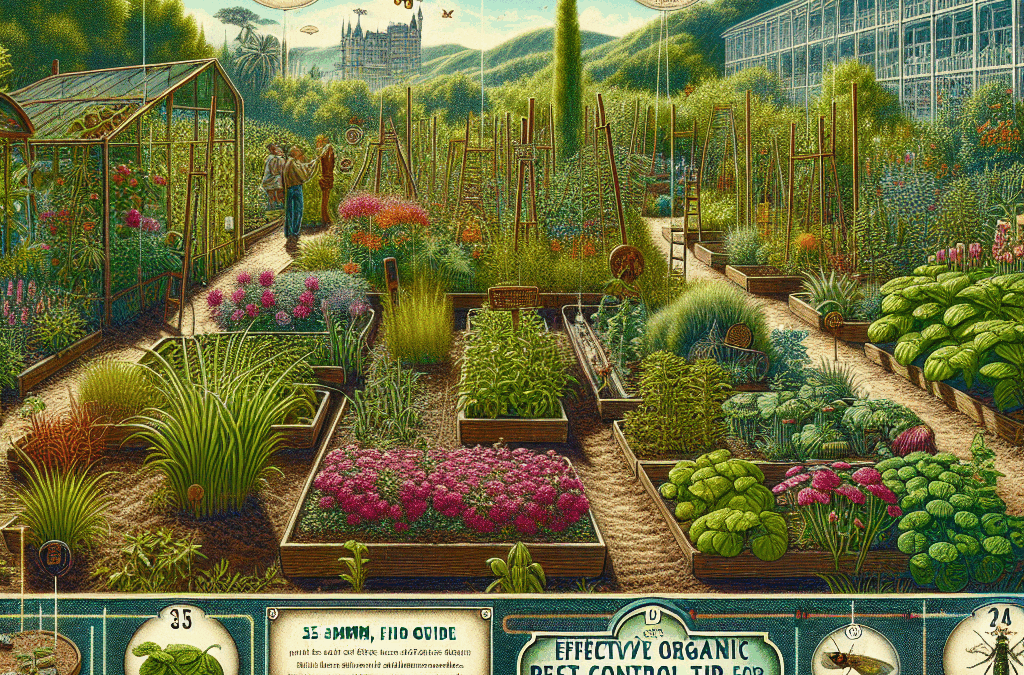
When deciding on the depth of your raised bed, consider the specific requirements of the plants you wish to cultivate. For instance, root vegetables such as carrots and potatoes require deeper soil to grow properly, while shallow-rooted plants like lettuce may thrive in beds as shallow as 6 inches. Therefore, understanding the needs of your plants will help you create a successful growing environment.
Another common mistake is underestimating the importance of soil quality and drainage. Even with adequate depth, poor soil conditions can lead to stunted growth or plant disease. It’s crucial to use a mixture of quality soil and compost to ensure that your plants have access to the nutrients they need, regardless of the bed’s depth.
Understanding Plant Root Depths
Different plants have varying root depth requirements, which directly influence how deep your raised bed should be. For example, vegetables like carrots and potatoes typically need at least 12 inches of soil to thrive, while herbs and leafy greens often require less depth. Knowing the root depth of your intended crops is essential for setting up a successful garden.
For optimal growth, consider the average root depth of your plants. Shallow-rooted plants can grow well in beds that are 6-8 inches deep, but most vegetables perform best in beds that are at least 12 inches deep. If you plan to grow a diverse range of plants, a depth of 18-24 inches is often recommended to accommodate various root systems.
Moreover, it’s essential to recognize that soil compaction can affect root growth. Deeper beds can help mitigate this issue, as they allow for more loose soil, promoting better root development and nutrient uptake. If you’re unsure about the depth, err on the side of deeper beds to support robust plant health.
Soil Quality and Composition
The soil quality in your raised bed is just as crucial as its depth. A well-balanced mix of topsoil, compost, and organic matter will facilitate healthy plant growth. The depth of your bed will also determine how much soil you need, so consider the composition carefully.
For optimal results, aim for a soil mixture that includes 60% topsoil, 30% compost, and 10% other organic materials such as peat moss or perlite. This blend not only provides essential nutrients but also improves drainage and aeration, which are vital for root development.
In cases where the existing soil is poor or compacted, a deeper raised bed can help create an ideal growing environment. By elevating the soil level, you allow plants to access fresh, nutrient-rich soil that may not be available at ground level. Keep in mind that as the bed deepens, the initial cost of filling it with quality soil will increase, so plan your budget accordingly.
Drainage Considerations
Proper drainage is vital for any raised bed garden. Without adequate drainage, excess water can lead to root rot and other issues that compromise plant health. The depth of your raised bed can impact drainage, especially if the bed is too shallow.
When constructing a raised bed, ensure that the base allows for water to drain freely. Adding a layer of gravel or coarse material at the bottom can promote drainage while preventing soil from washing away. For beds deeper than 18 inches, consider incorporating drainage holes in the sides or bottom to avoid water accumulation.
Additionally, monitor the moisture levels in your raised bed. While deeper beds allow for more water retention, they can also lead to overwatering. A good practice is to check the soil moisture regularly and adjust your watering routine based on the depth and type of plants you are growing.
Common Mistakes to Avoid
Many gardeners make the mistake of not considering the depth of their raised beds adequately. A bed that is too shallow may restrict root growth and lead to poor plant performance. Conversely, overly deep beds can make it difficult to manage soil quality and moisture levels.
Another common error is using poor-quality soil or a suboptimal soil mix. Always prioritize high-quality organic materials to fill your raised beds. This investment pays off in the long run, as healthy soil leads to thriving plants.
Ultimately, neglecting to account for local climate conditions can also hinder your gardening success. In areas with heavy rainfall, deeper beds may retain too much water, while in drier climates, shallower beds may dry out too quickly. Always tailor your raised bed design to your specific environmental conditions.
Further Reading
Authoritative Sources
- Raised Bed Gardening
extension.unh.eduThis resource offers detailed guidance on the benefits and construction of raised beds for various plant types
- How to Build a Raised Bed Garden
rodalesorganiclife.comA comprehensive guide on building raised beds, including depth considerations and soil recommendations
- Raised Bed Gardening Basics
almanac.comOverview of raised bed gardening, including plant selection and depth guidelines
Frequently Asked Questions
What is the minimum depth for a raised bed?
The minimum depth for a raised bed is typically 6 inches, but 12 inches is recommended for most vegetables.
Can I use a raised bed for deep-rooted plants?
Yes, but ensure the raised bed is at least 12 to 24 inches deep to accommodate their root systems effectively.
How do I improve drainage in a raised bed?
Incorporate a layer of gravel at the bottom and ensure the soil mix promotes drainage, such as adding perlite or sand.
What soil mix is best for raised beds?
A recommended mix includes 60% topsoil, 30% compost, and 10% organic materials for optimal plant growth.
How often should I water my raised bed?
Watering frequency depends on the climate and soil moisture; check the soil regularly and adjust based on plant needs.
Conclusion
Choosing the right depth for your raised bed is crucial for successful gardening. Aim for a depth that accommodates the root systems of your chosen plants while ensuring good soil quality and drainage. Avoid common pitfalls, such as neglecting soil composition and local climate effects. By understanding these factors and making informed decisions, you can create a thriving raised bed garden that yields healthy, robust plants.


