Now retrieving an image set.
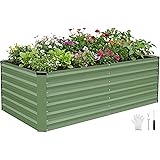
INNO STAGE 6x3x2ft Galvanized Raised Garden Bed, Raised Garden Bed Kit-Metal Planter Box Outdoor, Planting for Vegetables, Fruits, Herbs, Flowers, OliveGreen
$69.89 (as of 08:19 GMT -05:00 - More infoProduct prices and availability are accurate as of the date/time indicated and are subject to change. Any price and availability information displayed on [relevant Amazon Site(s), as applicable] at the time of purchase will apply to the purchase of this product.)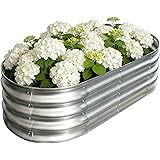
Now retrieving an image set.
Vivagarden Galvanized Raised Garden Bed Outdoor, Large Raised Bed for Gardening, 4x2x1ft Metal Planter Box for Vegetables, Fruits, Flowers, Easy Assembly with Wing Nuts & Safe Rolled Design, Silver
$20.99 (as of 12:58 GMT -05:00 - More infoProduct prices and availability are accurate as of the date/time indicated and are subject to change. Any price and availability information displayed on [relevant Amazon Site(s), as applicable] at the time of purchase will apply to the purchase of this product.)- Introduction
- Choosing the Right Location for Your Garden Box
- Selecting Materials and Designing Your Garden Box
- Building Your Garden Box Step-by-Step
- Maintenance and Tips for a Thriving Garden
- FAQ
- Conclusion
Introduction
If you’re eager to start your own vegetable or flower garden, learning how to build a garden box can be a game-changer. With the right guidance, you can create a beautiful, functional space that transforms your yard into a green haven. In 2025, DIY garden boxes remain a popular and sustainable way to grow your own produce or simply enjoy a lush outdoor aesthetic.
Building a garden box is not only budget-friendly but also allows you to customize it to fit your space and style. Whether you’re a seasoned gardener or a beginner, understanding the fundamentals of how to build a garden box will help you achieve rewarding results. Let’s explore the key steps and expert tips to make your gardening project a success.
Choosing the Right Location for Your Garden Box
Assessing Sunlight and Shade
Before you start building, it’s crucial to select a spot that receives adequate sunlight for your intended plants. Most vegetables and flowers prefer at least 6 hours of direct sunlight daily. Observe how sunlight moves across your yard throughout the day to identify the best location.
Keep in mind that some plants, like leafy greens, can tolerate partial shade. Proper sunlight exposure enhances plant growth and yields, making your efforts more fruitful. Thinking about sunlight early on helps ensure your garden box will thrive for years to come.
Evaluating Soil Quality and Drainage
Good drainage is essential for healthy plants, so avoid low-lying areas prone to waterlogging. Check your soil’s current condition by digging a small hole; if water pools or the soil is overly compacted, consider elevating your garden box. Improving soil quality with compost can also boost plant health.
In 2025, using native soil amendments and understanding local climate patterns can significantly improve your garden’s success. Proper site evaluation prevents common issues like root rot and promotes robust plant development. Planning ahead ensures your garden box setup is both functional and sustainable.
Measuring and Planning Your Garden Box Size
Decide on the dimensions based on your available space and gardening goals. Common sizes are 4×4 or 4×8 feet, providing ample room for diverse plants while remaining manageable. Use stakes and string to outline your desired shape before construction.
Keep accessibility in mind — heights and pathways should allow comfortable tending and harvesting. Planning the size carefully minimizes unnecessary material costs and maximizes your planting area for a productive garden.
Considering Climate and Seasonal Conditions
Understanding your local climate helps determine the best timing and crop varieties for your garden box. In 2025, climate-resilient plants and season extension techniques are increasingly popular among gardeners. Selecting plants suited for your area’s temperature and rainfall patterns boosts success.
Additionally, placing your garden box where wind and weather impact are minimized can protect your plants. Proper planning around climate considerations ensures a flourishing garden regardless of seasonal changes.
Selecting Materials and Designing Your Garden Box
Choosing Durable Materials
Opt for weather-resistant lumber, composite decking, or recycled plastics to prolong your garden box’s lifespan. Cedar and redwood are popular choices because of their natural resistance to decay. Avoid pressure-treated lumber that may contain chemicals harmful to edibles.
Investing in quality materials upfront saves money in repairs and replacements over time. In 2025, sustainable options like reclaimed wood and eco-friendly composites align with growing environmental consciousness among gardeners.
Designing for Functionality and Style
Incorporate features such as built-in seating, tiered levels, or trellises to enhance functionality. A well-designed garden box not only looks good but also makes gardening easier and more enjoyable. Think about accessibility for planting, watering, and harvesting all year round.
Matching your garden box style with your yard’s aesthetic creates a cohesive look. Practical design combined with artistic touches turns your garden into a personal oasis that you’ll be proud of.
Planning for Drainage and Soil Depth
Ensure your garden box has proper drainage holes to prevent water accumulation, which can lead to root diseases. A depth of at least 12 inches provides enough room for most vegetables and flowers to develop healthy roots. Consider layering with gravel or coarse material at the bottom for extra drainage.
Incorporating these drainage features during the design phase is vital for how to build a garden box that is both durable and functional. Adjusting size and depth based on plant needs optimizes growth conditions in your setup.
Integrating Composting and Watering Systems
A built-in compost bin or irrigation system can streamline maintenance and promote healthy plant growth. In 2025, smart watering solutions like drip irrigation or moisture sensors are becoming popular. Adding these features can significantly reduce your gardening effort and water usage.
Designing your garden box with sustainable practices in mind benefits the environment and your wallet. Planning ahead for these systems makes it easier to maintain a thriving, eco-friendly garden.
Building Your Garden Box Step-by-Step
Gathering Materials and Tools
Start by assembling the necessary materials based on your design, including lumber, screws, brackets, and possibly soil and plants. Essential tools include a saw, drill, level, and measuring tape. Preparing all supplies beforehand streamlines the construction process.
In 2025, consider eco-friendly and recycled materials to align with sustainable gardening practices. Having everything ready helps prevent delays and ensures a smoother building experience.
Constructing the Frame and Walls
Begin by building the perimeter frame according to your planned dimensions, ensuring all corners are square. Use sturdy brackets and waterproof screws for stability. Attach side panels, checking with a level for proper alignment.
Get a free subscription to PREPARE – with more gardening and homesteading tips!
A well-constructed frame provides the foundation for your garden box, influencing its durability and ease of use. Precise craftsmanship during this step ensures your garden will stand strong through seasons and weather.
Adding Drainage and Soil Preparation
Drill drainage holes at regular intervals at the bottom of your box to facilitate water escape. Fill the bottom with gravel or coarse material before adding your soil mix. Use a high-quality soil blend tailored for vegetable or flower growth.
Proper drainage and soil preparation directly impact how to build a garden box that supports healthy, vigorous plants. Taking the time to set this up correctly ensures optimal plant growth and reduces issues down the line.
Finishing Touches and Elevating Your Garden
Sand down rough edges, paint or stain for additional weatherproofing, and add any decorative elements. Consider adding a trellis or plant supports atop the box for vertical gardening. Regular maintenance will keep your garden looking attractive and productive.
Finishing touches personalize your garden box, turning it into a beautiful feature of your yard. A thoughtfully built and decorated box enhances both your gardening experience and your outdoor decor.
Maintenance and Tips for a Thriving Garden
Regular Watering and Fertilization
Consistent watering tailored to plant needs is vital for healthy growth. In 2025, smart irrigation systems can automate watering schedules, saving you time and water. Fertilizing at appropriate intervals replenishes essential nutrients in the soil.
Monitoring soil moisture and nutrient levels helps maintain optimal conditions. Proper watering and feeding are key parts of how to build a garden box that produces abundant, delicious produce or vibrant flowers.
Pest and Disease Management
Keeping an eye out for pests and disease signs ensures early intervention and minimal crop loss. Companion planting and organic pest control methods are eco-friendly options. Regularly inspecting your plants helps catch problems before they escalate.
Creating a healthy environment through proper sanitation and crop rotation can prevent many common issues. Learning how to build a garden box with integrated pest management in mind leads to a more sustainable, enjoyable gardening experience.
Seasonal Cleanup and Replanting
Removing dead plants and debris at the end of each season keeps your garden clean and prevents pest buildup. In spring, refresh your soil with compost or organic amendments for optimal growth. Rotating crops allows nutrients to replenish naturally.
This routine maintenance is essential for how to build a garden box that remains productive and healthy year after year. Staying proactive extends the life and productivity of your gardening project.
Season Extension Techniques
Using row covers, cold frames, or hoop houses can extend your growing season well into the cooler months. In 2025, these technologies have become more affordable and accessible. They offer protection against frost and fluctuating weather conditions.
Incorporating season extension methods into your garden box setup maximizes your harvests and overall success. Planning for year-round gardening is a smart way to enjoy fresh produce and vibrant flowers throughout the year.
FAQ
How long does it take to build a typical garden box?
Building a standard-sized garden box, like a 4×4 or 4×8 feet, typically takes about a day for most DIYers. The process involves site preparation, material gathering, and assembly. If you’re new to woodworking or DIY projects, it might take a bit longer, but the reward is worth the effort.
What are the best materials for how to build a garden box?
The best materials include rot-resistant lumber like cedar or redwood, recycled plastics, or composite materials. These choices ensure longevity and sustainability. Avoid materials treated with chemicals that could leach into your soil and plants.
Can I customize my garden box design?
Absolutely! Customization options include adding benches, vertical supports, or decorative paint. You can also modify size and shape to fit your yard and personal style. Personalizing your garden box makes gardening more enjoyable and aligned with your outdoor space.
How do I maintain a garden box over the years?
Regular maintenance includes watering, fertilizing, weeding, and pest control. Inspect the structure annually for any signs of wear or damage. Replenishing soil and adding compost keeps your garden productive and healthy over time.
What are some common mistakes to avoid when how to build a garden box?
Avoid using improper materials, neglecting drainage, or overestimating space. Also, skipping site assessment or not planning for future expansion can hinder your garden’s success. Careful planning and attention to detail are essential for building a durable and productive garden box.
Conclusion
Mastering how to build a garden box is the first step toward creating your ideal gardening space. With thoughtful planning, quality materials, and proper construction, you can develop a beautiful and productive garden that lasts for years. In 2025, DIY garden boxes continue to be an accessible and sustainable solution for gardeners of all skill levels.
Get a free subscription to PREPARE – with more gardening and homesteading tips!
Find out more information about “how to build a garden box”
Search for more resources and information:
Related Content
- Bedfordshire pauses food waste collections to clear garden refuse backlog | Resource Magazine
- Eat Healthier: Tips For Organic Gardening
- Report shows organic waste can support regenerative farming – Scoop NZ
- Heavy, wet snow hits spring in New England
- <b>Composting</b> Allows Redemption of Food Waste, Third Largest Threat to Global Climate