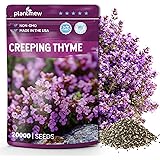
Now retrieving an image set.
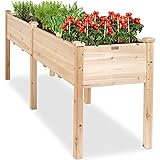
Best Choice Products 72x24x30in Raised Garden Bed, Elevated Wood Planter Box Stand for Backyard, Patio, Balcony w/Divider Panel, 6 Legs, 300lb Capacity - Natural
$139.99 (as of 12:59 GMT -05:00 - More infoProduct prices and availability are accurate as of the date/time indicated and are subject to change. Any price and availability information displayed on [relevant Amazon Site(s), as applicable] at the time of purchase will apply to the purchase of this product.)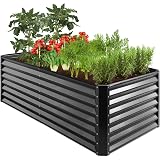
Now retrieving an image set.
Best Choice Products 6x3x2ft Outdoor Metal Raised Garden Bed, Deep Root Box Planter for Vegetables, Flowers, Herbs, 269 Gallon Capacity, 100% Non Toxic Materials - Gray
$89.99 (as of 12:59 GMT -05:00 - More infoProduct prices and availability are accurate as of the date/time indicated and are subject to change. Any price and availability information displayed on [relevant Amazon Site(s), as applicable] at the time of purchase will apply to the purchase of this product.)- 1. Focus on Healthy Soil Management
- 2. Embrace Natural Composting Techniques
- 3. Select Organic Seeds and Transplants
- 4. Use Organic Pest and Disease Control Methods
- 5. Practice Efficient Watering Strategies
- 6. Incorporate Companion Planting
- 7. Practice Crop Rotation and Plant Diversity
- 8. Use Natural Fertilizers and Amendments
- 9. Utilize Sustainable Tools and Techniques
- 10. Keep Learning and Engage with Your Community
1. Focus on Healthy Soil Management
Understanding Soil Health in Organic Gardening
In 2025, successful organic gardening starts with healthy soil. Itâs often said that healthy soil equals healthy plants, and science supports thisâstudies show that biologically rich soils yield more nutritious and resilient crops. To learn how to garden organically, itâs essential to understand soil composition: a mix of minerals, organic matter, water, and air. Healthy soil teems with beneficial microbes that naturally suppress pests and diseases, reducing the need for chemical interventions.
By fostering soil vitality, you create a sustainable garden that improves over time. Incorporate practices such as crop rotation, cover cropping, and minimal tillage, which all boost soil microbial activity. In 2025, more gardeners are turning to regenerative techniques that restore soil health while increasing productivity, making these methods a cornerstone of organic gardening.
Apply organic matter regularlyâcompost, aged manure, or cover cropsâto nourish the soil and promote nutrient cycling. Remember, soil tests can help you identify deficiencies and adjust accordingly, ensuring your garden thrives naturally.
Implement Cover Crops and Mulching
Cover crops like clover, vetch, and buckwheat fix nitrogen into the soil, improving fertility without synthetic fertilizers. They also prevent erosion, suppress weeds, and enhance soil structure. In 2025, cover cropping is considered one of the top techniques for how to garden organically, especially when combined with organic mulches.
Mulching with straw, wood chips, or shredded leaves helps retain moisture, regulate soil temperature, and prevent weed growthâall key for organic gardens. Mulching also encourages beneficial microbial activity, which is vital for nutrient availability.
Switching to organic mulches instead of chemical weed suppressants aligns perfectly with sustainable practices, making this a must-try for anyone interested in how to garden organically efficiently.
2. Embrace Natural Composting Techniques
The Basics of Organic Composting
Composting is fundamental in learning how to garden organically, especially in 2025, when sustainable practices are prioritized. Good compost turns kitchen scraps, yard waste, and manure into rich humus that feeds your soil naturally. Monitor your compostâs moisture, aeration, and balance of green and brown materials to ensure efficient decomposition.
Adding diverse compost ingredients boosts microbial diversity, which accelerates nutrient cycling. Aim for a compost pile that reaches 135â160°F (57â71°C) to kill weeds and pathogens, making it safe for garden use. The process should take about 3-6 months, depending on the layers and conditions.
Using compost instead of synthetic fertilizers reduces environmental impact and results in healthier produce. In 2025, innovative composting methods like Bokashi and vermicomposting are gaining popularity for their ease and efficiency.
Vermicomposting for Organic Gardens
Vermicomposting involves raising worms to convert organic waste into nutrient-rich worm castings. This method is ideal for small-space gardens and indoor setups. Worm castings are a potent natural fertilizer, rich in essential nutrients and beneficial microbes.
Set up a worm bin in a cool, dark location, and feed it kitchen scraps like fruit peels and coffee grounds. Itâs an easy, odorless process that produces compost in a matter of months. Adding worm castings to your soil or compost tea boosts plant health significantly and is a sustainable way to learn how to garden organically.
In 2025, more gardeners are adopting vermicomposting as part of a holistic approach to soil health and pest management.
3. Select Organic Seeds and Transplants
Choosing Certified Organic Seeds
The foundation of any organic garden is the seed. Opt for certified organic seeds or seedlings to ensure they havenât been treated with synthetic chemicals or GMO techniques. Purchasing from reputable suppliers guarantees your planting starts on a truly organic footing, especially important as synthetic seed treatments become more restricted in 2025.
Growing heirloom or open-pollinated varieties ensures genetic diversity, which enhances resilience against pests and diseases. This selection aligns with the principles of how to garden organicallyâfocusing on natural biodiversity.
Planting organic seeds also supports sustainable farming practices and reduces chemical runoff, benefiting your local ecosystem.
Starting Seeds Indoors Organically
Indoor seed starting is a great way to extend your growing season and ensure strong, healthy transplants. Use organic seed-starting mixes, which are free of synthetic fertilizers and pesticides. Light, warmth, and watering are critical factors for successful germination.
In 2025, incorporating grow lights and controlled environments allows for precise seedling development, leading to more vigorous plants when transplanted outdoors. This approach reduces transplant shock and leads to better yields in the long run.
Properly hardened-off seedlings are crucialâthey adapt gradually to outdoor conditions, making your organic garden more resilient and productive.
4. Use Organic Pest and Disease Control Methods
Integrated Pest Management (IPM) Strategies
Knowing how to garden organically involves embracing IPM techniques that minimize chemical use. Start by inspecting plants regularly for early signs of pests or diseases. Beneficial insects like ladybugs, lacewings, and predatory beetles can naturally keep pest populations in check.
Crop rotation, sanitation, and resistant plant varieties are key components. In 2025, organic pest control products such as neem oil, insecticidal soaps, and botanical extracts are widely used to target specific problems without harming beneficial allies.
Implementing barriers like row covers can prevent pests from reaching your crops, providing an effective, chemical-free solution.
Homemade Organic Remedies
Simple DIY solutions can be highly effective. For example, garlic and chili pepper sprays deter many insects naturally. Baking soda mixed with water can help prevent fungal diseases like powdery mildew. The key is consistency and early intervention.
Research shows that rotating these remedies and combining methods enhances their effectiveness, offering a sustainable approach to pest management in 2025.
Always test homemade sprays on a small plant first to prevent any adverse reactions.
5. Practice Efficient Watering Strategies
Watering Techniques That Save Resources
Efficient watering is crucial in learning how to garden organically, especially as water conservation becomes even more critical in 2025. Drip irrigation or soaker hoses deliver water directly to the roots, minimizing waste and preventing fungal diseases caused by wet foliage.
Early morning watering reduces evaporation and ensures plants have adequate moisture throughout the day. Mulch plays a pivotal role in conserving soil moisture, maintaining temperature, and suppressing weeds, all essential for organic gardening success.
Using rain barrels to collect runoff and greywater systems can reduce your reliance on municipal water sources, making your garden more sustainable and cost-effective.
Monitoring Soil Moisture
Using soil moisture sensors or simple hand tests helps determine when watering is necessary. Overwatering can drown roots and promote disease, while underwatering stresses plants.
In 2025, smart garden tech offers affordable solutions that monitor moisture levels automatically, helping home gardeners make smarter watering decisions. This technology, combined with mulching, creates a climate-smart, water-efficient organic garden.
Consistent monitoring ensures healthy, productive plants and reduces water wasteâkey tenets of sustainable organic gardening.
6. Incorporate Companion Planting
Benefits of Companion Planting
Companion planting is an age-old technique that promotes healthy growth, pest control, and increased yields. In 2025, this practice is a cornerstone of how to garden organically, emphasizing natural methods to enhance plant relationships.
For example, planting basil near tomatoes can improve flavor and repel pests. Marigolds act as natural insect repellents, protecting nearby vegetables from nematodes and beetles.
Strategic placements improve biodiversity, attract beneficial insects, and create resilient garden ecosystems.
Get a free subscription to PREPARE – with more gardening and homesteading tips!
Designing Your Companion Garden
Create a layout that pairs plants with compatible neighbors, considering growth habits and pest deterrent properties. Use charts and guides to plan your garden for maximum synergy.
In 2025, new software apps help gardeners design sustainable, companion-friendly layouts efficiently, integrating ecological principles for optimal results.
Implementing companion planting reduces the need for organic pest control products, making your garden safer and more sustainable.
7. Practice Crop Rotation and Plant Diversity
Why Crop Rotation Matters
Crop rotation is a proven method to reduce soil disease, avoid nutrient depletion, and break pest cyclesâcrucial aspects of how to garden organically in 2025. Rotate families of plants each season, such as legumes, greens, and root crops, to keep soil healthy.
This practice not only improves yields but also enhances soil resilience. In addition, diversifying crops attracts beneficial insects and pollinators, further reducing pest problems naturally.
Planning your crop rotation cycle ensures a sustainable, productive garden year after year.
Enhancing Biodiversity
Growing a variety of plants prevents monoculture, reducing vulnerability to pests and diseases. Planting heirlooms, perennials, and native species supports local ecosystems and pollinators.
In 2025, permaculture principles are integrated into home gardens, encouraging biodiversity and sustainability for how to garden organically.
By fostering a diverse garden, you create an ecosystem that sustains itself and minimizes external inputs.
8. Use Natural Fertilizers and Amendments
Choosing Organic Fertilizers
This year, organic gardeners prefer natural fertilizers such as compost, manure, seaweed extract, and fish emulsion. These amendments provide essential nutrients and boost microbial life in the soil, aligning with current best practices for how to garden organically in 2025.
Apply fertilizers based on crop needs and soil test results, avoiding over-fertilization that can cause runoff and pollution. Natural amendments improve soil structure and fertility sustainably.
Research indicates that organic fertilizers increase nutrient use efficiency and plant health compared to synthetic options.
Soil Amendments for Specific Needs
Add lime, sulfur, or biochar to correct pH imbalances and enhance nutrient availability. Cover cropping and mulching also act as natural soil amendments by providing ongoing organic matter.
Understanding the specific needs of your soil enables targeted, eco-friendly interventions that foster healthy plant growth using organic techniques.
In 2025, bio-based products and soil conditioners continue to innovate, offering more sustainable choices for organic gardeners.
9. Utilize Sustainable Tools and Techniques
Eco-Friendly Gardening Tools
Switching to manual, long-lasting tools made from recycled or sustainably sourced materials reduces your footprint. In 2025, ergonomic designs and innovative materials make these tools easier to use and more durable.
Tools like hand pruners, wheelbarrows, and watering cans support your organic practices without relying on fossil fuels or batteries.
Maintaining your tools properly extends their lifespan, supporting sustainable gardening efforts over time.
Garden Design for Sustainability
Design your garden layout to maximize efficiencyâplacing water sources, compost bins, and planting beds for easy access. Raised beds, green walls, and vertical gardening optimize space and reduce resource use.
Additionally, incorporate renewable energy solutions like solar-powered pumps or lighting systems to enhance your gardenâs sustainability footprint.
Smart watering systems and rainwater harvesting are becoming standard in 2025, helping gardeners learn how to garden organically while conserving resources.
10. Keep Learning and Engage with Your Community
Continuous Education for Organic Gardening
Attending workshops, reading reputable blogs, and joining local gardening groups keeps you updated on the latest trends and techniques in organic gardening in 2025. The more you learn about native plants, organic pest controls, and soil science, the better your garden will perform.
Online courses from universities and organic gardening organizations are invaluable resources for expanding your knowledge base on how to garden organically.
Continuous learning ensures you adapt to new challenges and innovations, keeping your garden productive and sustainable.
Community Building and Sharing
Sharing seeds, compost, and gardening tips strengthens community bonds. Participating in local farmersâ markets and seed swaps fosters a collective approach to sustainability.
In 2025, home gardeners are increasingly collaborating via social media platforms and online forums, exchanging ideas and success stories, which inspire new organic practices.
Getting involved in community gardens or organic gardening initiatives amplifies your impact and helps promote eco-friendly practices at a larger scale.
Frequently Asked Questions
1. How to garden organically for beginners?
Start with healthy soil, select organic seeds, and focus on natural pest control. Use compost and mulch to enrich the soil, and practice crop rotation to maintain soil health.
2. What are the best organic fertilizers in 2025?
Compost, manure, seaweed extracts, and biofertilizers are top choices. They sustainably provide nutrients and improve soil microbial activity.
3. How can I control pests organically?
Use integrated pest management, beneficial insects, organic sprays, and physical barriers. Proper plant care and crop rotation are also vital.
4. Why is soil health important in organic gardening?
Healthy soil supports vigorous plant growth, suppresses pests and diseases naturally, and increases yields over time, making it the foundation for sustainable organic gardening.
5. How to learn more about how to garden organically in 2025?
Engage with local gardening groups, attend workshops, follow reputable online sources, and experiment with new techniques. Community involvement and continuous education are key.
Conclusion
In 2025, understanding and applying how to garden organically is more critical than ever for creating sustainable, healthy, and productive gardens. From building soil health to implementing natural pest control, each tip contributes toward a thriving organic ecosystem. Remember, the journey to mastering organic gardening begins with informed choices and a commitment to eco-friendly practices. Follow these ten tips, stay curious, and connect with your gardening community to achieve your best results this year and beyond.
Get a free subscription to PREPARE – with more gardening and homesteading tips!
Related Content
- Colorado becomes only 2nd state in the US to allow composting of human bodies
- Local Compost Company Turns Food Scraps Into A Cycle Of Sustainability
- 6 Leafy Greens That LOVE Growing In Cold Weather!
- Citrus Heights residents, businesses to begin composting organic waste in July – ABC10
- This Easy DIY High Tunnel Can Be Built In ANY Yard For Gardening