
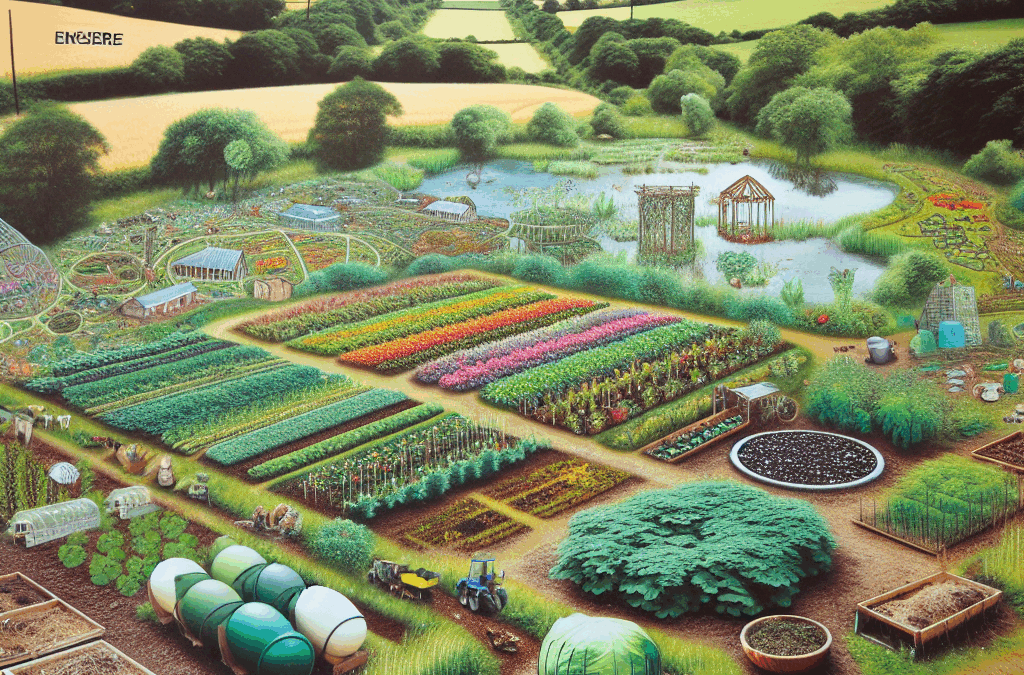
To grow lettuce easily at home, focus on choosing the right variety and providing optimal conditions. Lettuce thrives in cool weather and can be grown in both garden beds and containers. Start by selecting varieties that suit your climate, such as leaf, romaine, or butterhead. These options are not only easy to grow but also provide a variety of flavors and textures for your salads.
Understanding the specific needs of lettuce is crucial. Many novice gardeners fail by planting too late in the season or neglecting soil quality. Lettuce prefers well-draining, nutrient-rich soil with a pH between 6.0 and 7.0. It’s also sensitive to heat; planting in early spring or fall can lead to better yields. Prioritize soil preparation by mixing compost or organic matter to enhance fertility.
Choosing the Right Lettuce Varieties
Different lettuce varieties have unique growing requirements and flavor profiles. Leaf lettuce is fast-growing and can be harvested multiple times, while romaine offers a crisp texture ideal for salads. When selecting varieties, consider your local climate and the growing season. Some varieties thrive in cool conditions, while others can withstand warmer temperatures.
Consider the tradeoffs between growth time and flavor. While some varieties take longer to mature, they often provide a richer taste. For instance, butterhead lettuce has a tender texture and sweet flavor but may require more time to grow compared to leaf lettuce. By understanding these factors, you can make informed decisions that align with your culinary preferences.
Optimal Soil Conditions for Growth
Soil quality is paramount for healthy lettuce growth. Lettuce prefers loamy soil that retains moisture yet drains well. To achieve this, mix equal parts of compost, peat moss, and perlite. This blend provides nutrients while ensuring proper drainage, reducing the risk of root rot.
Many gardeners underestimate the importance of soil pH. Testing your soil can help you determine its acidity and adjust accordingly. If your soil is too acidic, consider adding lime to raise the pH. Proper soil conditions not only support healthy growth but also affect the taste of the lettuce. This is especially important for those aiming for the best flavor in their homegrown produce.
Watering and Maintenance Tips
Maintaining consistent moisture is critical for growing lettuce successfully. Lettuce has shallow roots and can dry out quickly, so regular watering is essential. Aim to keep the soil consistently moist but not soggy. A layer of mulch can help retain moisture and suppress weed growth.
Be mindful of environmental conditions that may affect watering needs. Hot weather can increase evaporation rates, necessitating more frequent watering. Conversely, during cooler periods, you may need to reduce watering frequency. Understanding your local climate and adjusting your care routine accordingly will lead to healthier, more robust lettuce plants.
Common Mistakes to Avoid
Many first-time lettuce growers make critical mistakes that hinder their success. One common error is planting too late in the season, leading to bolting (flowering) before harvest. To avoid this, start your seeds indoors or in a protected area if temperatures are still cool.
Another frequent issue is overcrowding plants, which limits airflow and can lead to disease. Ensure proper spacing according to the variety’s needs. By avoiding these pitfalls and understanding the specific requirements of lettuce, you can enjoy a bountiful harvest.
Further Reading
Authoritative Sources
- MedlinePlus
medlineplus.govConsumer-friendly medical and health information from the U.S. National Library of Medicine.
- National Institutes of Health
nih.govResearch-based health information and links to authoritative medical resources.
- Centers for Disease Control and Prevention
cdc.govOfficial public health guidance, prevention resources, and topic-specific recommendations.
- Mayo Clinic
mayoclinic.orgTrusted clinical guidance, symptom explainers, and treatment overviews.
- World Health Organization
who.intGlobal health guidance, fact sheets, and evidence-based public health information.
Frequently Asked Questions
What is the best time to plant lettuce?
The best time to plant lettuce is in early spring or late summer, as it thrives in cooler temperatures.
How often should I water lettuce?
Lettuce should be watered regularly to keep the soil consistently moist, especially in hot weather.
Can I grow lettuce in containers?
Yes, lettuce grows well in containers as long as they have adequate drainage and are filled with nutrient-rich soil.
What are the signs of overwatering lettuce?
Signs of overwatering include yellowing leaves, wilting, and the development of root rot.
How can I prevent lettuce from bolting?
To prevent bolting, plant lettuce in cooler weather and harvest before it starts to flower.
Conclusion
Successfully growing lettuce at home is achievable with the right strategies. Focus on selecting suitable varieties, ensuring optimal soil conditions, and maintaining consistent moisture. Prioritize these factors to avoid common pitfalls, and you’ll be rewarded with fresh, delicious lettuce for your meals. Start your journey today, and enjoy the satisfaction of growing your own greens.


