Now retrieving an image set.
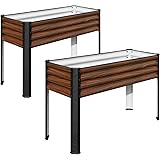
SnugNiture Raised Garden Bed with Legs, 2PCS 48×18×32in Outdoor Metal Elevated Raised Planter Box for Backyard, Patio, Balcony
$109.99 (as of 08:19 GMT -05:00 - More infoProduct prices and availability are accurate as of the date/time indicated and are subject to change. Any price and availability information displayed on [relevant Amazon Site(s), as applicable] at the time of purchase will apply to the purchase of this product.)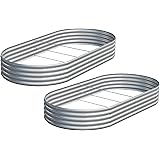
Now retrieving an image set.
Easllre 2PCS 8x4x1ft Galvanized Metal Raised Garden Bed Kit,Outdoor Planter Box Vegetables,Flowers,Herbs Durable Rust-Resistant Patio Gardening Beds
$59.99 (as of 08:19 GMT -05:00 - More infoProduct prices and availability are accurate as of the date/time indicated and are subject to change. Any price and availability information displayed on [relevant Amazon Site(s), as applicable] at the time of purchase will apply to the purchase of this product.)
Discovering how to grow salad greens is an essential skill for anyone looking to enjoy fresh, organic produce right from their garden. With the right techniques in 2025, you can achieve vibrant, healthy greens that elevate your salads and meals. This guide will walk you through proven tips to help you cultivate lush, flavorful greens season after season.
Whether you’re a beginner or an experienced gardener, understanding the basics of how to grow salad greens will empower you to maximize your harvests. From soil preparation to harvesting methods, we’ll cover everything you need to know for successful cultivation. Let’s dive into the world of greens and bring your garden to life!
Understanding Salad Greens and Their Needs
Types of Salad Greens
Salad greens come in many varieties, including lettuce, spinach, arugula, and kale. Each type has unique growing requirements and flavor profiles. For instance, leaf lettuces are quick to mature and perfect for beginner gardeners, whereas kale thrives in cooler weather and can be harvested multiple times.
Knowing the differences helps you choose the right greens for your climate and culinary preferences. Experimenting with different types also adds diversity to your salads, making your harvest more exciting and nutritious.
Ideal Growing Conditions
Most salad greens prefer cooler temperatures, typically between 50-70°F (10-21°C), making spring and fall ideal planting times. They need well-draining, fertile soil rich in organic matter. Adequate moisture is crucial, but waterlogging can cause root diseases and hinder growth.
Optimal sunlight depends on the variety, but generally, 4-6 hours of direct sunlight daily is ideal. Understanding these conditions is vital if you’re learning how to grow salad greens successfully in your garden in 2025.
Soil Preparation and Fertilization
Proper soil preparation ensures your salad greens have all the nutrients they need to thrive. Incorporate compost or aged manure into your soil to improve fertility and drainage. A pH level of 6.0 to 7.0 is ideal for most greens, so testing your soil can guide your amendments.
Regular fertilization with an organic, balanced fertilizer supports healthy leaf development. This step is essential when learning how to grow salad greens, particularly for high-yield harvests that keep your salads fresh and flavorful throughout the season.
Pest and Disease Management
Pest control is a key aspect of how to grow salad greens successfully. Common pests include aphids, slugs, and flea beetles, which can damage young plants. Using organic pest control methods like neem oil or introducing beneficial insects can help manage infestations naturally.
Diseases such as downy mildew or leaf spot may appear if conditions are too damp or poorly ventilated. Ensuring proper spacing and crop rotation can minimize these issues, keeping your greens healthy and productive.
Preparing Your Garden for Salad Greens
Selecting the Right Location
Choosing the correct spot in your garden is the first step in understanding how to grow salad greens effectively. Look for an area with full to partial sunlight, good air circulation, and easy access for regular watering and harvesting. Avoid shaded or overly windy spots that can hinder growth.
Additionally, consider proximity to your kitchen for convenience and ensure the soil is well-drained. Proper site selection sets a solid foundation for a successful greens crop in 2025.
Soil Testing and Amendment
Before planting, perform a soil test to assess nutrient levels and pH. Based on the results, amend your soil accordingly with compost, organic fertilizers, or other soil conditioners. Healthy soil is the backbone of how to grow salad greens successfully.
This step helps prevent nutrient deficiencies and soil-borne diseases, leading to a more vigorous and bountiful harvest. Regular soil care throughout the season will further enhance your greens’ growth.
Building Raised Beds or In-Ground Planting
Raised beds can improve drainage, soil quality, and accessibility, making them a popular choice for growing salad greens. They also help prevent soil compaction and reduce weed intrusion. However, in-ground planting works well if your soil is of good quality and drainage is adequate.
Deciding between these options depends on your garden space, budget, and personal preference. Whichever method you choose, proper bed preparation ensures optimal conditions to learn how to grow salad greens with ease.
Timing Your Planting
Timing is critical for a successful salad greens harvest in 2025. Most greens thrive in cooler weather, so plan to plant in early spring or late summer for a fall crop. Staggering plantings every two weeks can provide a continuous harvest.
Check local frost dates and tailor your planting schedule accordingly. Learning when to plant ensures you maximize your greens’ growth potential and enjoy fresh salads throughout the season.
Planting and Maintaining Salad Greens
Seed Starting and Transplanting
Starting salad greens from seeds is cost-effective and offers a wide variety of options. Sow seeds directly into prepared soil or starting them indoors for an earlier harvest. Follow the depth recommendations on seed packets for optimal germination.
Get a free subscription to PREPARE – with more gardening and homesteading tips!
Transplanting seedlings at the right time, usually after the last frost, can give you a jumpstart on the season. Proper watering and gentle handling during transplanting help ensure successful establishment.
Watering Techniques
Consistent moisture is key when learning how to grow salad greens, but overwatering can lead to rot and mildew. Use drip irrigation or soaker hoses to deliver water directly to the roots, maintaining even soil moisture.
Water early in the morning or late in the afternoon to reduce evaporation and prevent foliar diseases. Proper watering keeps your greens tender, flavorful, and healthy.
Thinning and Spacing
Thinning is crucial to prevent overcrowding, which can lead to competition for nutrients and increased disease risk. Space plants according to their mature size — typically 4-12 inches apart, depending on the variety.
Thin seedlings gently by removing the weaker plants, leaving the strongest ones to thrive. Proper spacing ensures good airflow and sunlight penetration, enhancing how to grow salad greens for lush growth.
Harvesting Techniques
Harvest your greens when they reach an edible size, usually within a few weeks of planting. Use scissors or sharp knives to pick outer leaves or cut the whole plant at the base for multiple harvests.
Regular harvesting encourages new growth and prolongs your season. Understanding the proper techniques guarantees a continuous supply of fresh, tasty salad greens.
Frequently Asked Questions about Growing Salad Greens
How long does it take to grow salad greens from seed?
Most salad greens take between 30 to 45 days from seed to harvest, depending on the variety and growing conditions. Fast-growing greens like lettuce can be ready in just under a month, making them an excellent choice for quick harvests.
Planning your planting schedule around this timeline allows you to enjoy fresh greens regularly and adjust planting intervals for a continuous supply.
What are the best tips for how to grow salad greens in limited space?
Utilize container gardening and vertical gardening methods to maximize limited space. Use shallow containers with proper drainage and plant densely to make the most of small areas.
Choosing compact or heirloom varieties designed for small spaces can also improve your success in growing salad greens in confined areas.
How can I prevent pests and diseases when growing salad greens?
Implement crop rotation, practice good sanitation, and keep your garden weed-free to minimize pest and disease issues. Use natural predators, organic sprays, or deterrents to protect your plants without harmful chemicals.
Regular inspection and prompt removal of affected leaves help maintain healthy greens and reduce the risk of infestations or disease spread.
Is it profitable to grow salad greens at home?
Growing salad greens at home can save money on grocery bills while providing fresh, organic produce. Although initial setup costs exist, the continuous harvests from small spaces can be quite cost-effective.
Additionally, homegrown greens often taste better and are chemical-free, making them a worthwhile investment for health-conscious gardeners.
Understanding how to grow salad greens is truly rewarding and offers numerous benefits for your health and palate. With proper planning, suitable varieties, and attentive care, anyone can cultivate lush greens right in their backyard or balcony. Embracing these proven tips in 2025 will ensure your harvests are abundant, flavorful, and nutritious year-round.
Get a free subscription to PREPARE – with more gardening and homesteading tips!
Find out more information about “how to grow salad greens”
Search for more resources and information:
Related Content
- The Best Vegetables to Grow in Your Backyard This Season
- Cortec launches world’s first compostable corrosion inhibiting stretch film
- Long Branch school awarded a $25,000 grant | The Link News
- Organic Gardening Ideas To Maximize Your Garden’s Potential
- Recycling Council of Alberta launches province’s first composting guide for farmers