Now retrieving an image set.
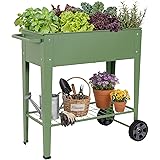
Permade Tall Raised Garden Bed Outdoor with Wheels, Metal Elevated Raised Planter Box with Drainage Holes for Vegetables, Flower, Herbs(Green)
$53.99 (as of 08:19 GMT -05:00 - More infoProduct prices and availability are accurate as of the date/time indicated and are subject to change. Any price and availability information displayed on [relevant Amazon Site(s), as applicable] at the time of purchase will apply to the purchase of this product.)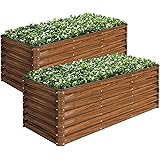
Now retrieving an image set.
SnugNiture 2-Pack 6x2x2FT Galvanized Raised Garden Bed Kit, Metal Planter Box for Planting Plants Vegetables, Brown
$149.99 (as of 08:19 GMT -05:00 - More infoProduct prices and availability are accurate as of the date/time indicated and are subject to change. Any price and availability information displayed on [relevant Amazon Site(s), as applicable] at the time of purchase will apply to the purchase of this product.)If you’re eager to enjoy fresh, crisp salad greens right from your kitchen in 2025, you’ll want to learn how to grow salad greens indoors. Growing greens indoors is not only a fun and rewarding hobby but also a practical way to have healthy ingredients at your fingertips regardless of the season outside. In this guide, Iâll share seven effective tips that will help you master indoor salad green cultivation for a bumper harvest in 2025 and beyond.
Table of Contents
- Choose the Right Containers and Soil
- Optimize Lighting Conditions
- Control Temperature and Humidity
- Proper Watering Techniques
- Use Quality Seeds
- Ensure Proper Air Circulation
- Maintain Pest and Disease Control
1. Choose the Right Containers and Soil
Selecting the Best Containers for Salad Greens
When learning how to grow salad greens indoors, container choice is crucial. Use shallow, wide pots or trays that allow for ample root growth without overcrowding. Materials like ceramic, plastic, or fabric pots work well, provided they have drainage holes. Proper drainage prevents waterlogging, which can cause root rot and compromise your greens.
For a tidy and space-efficient setup, consider using stacking trays or vertical planters. These are especially useful if you want to maximize limited indoor space while maintaining good airflow around your plants.
Real-world example: I started growing arugula and lettuce in 8-inch plastic containers, which gave each plant enough room to thrive, and I saw quicker germination times and healthier growth.
Choosing the Best Soil Mix
Opt for a high-quality, lightweight potting mix that’s rich in organic matter and drains well. Avoid garden soil, which is too dense and may contain pests or diseases. A good soil mix for salad greens contains compost, peat moss or coconut coir, and perlite or vermiculite for aeration.
Research from 2025 shows that nutrient-rich soil can increase green yield by up to 30%. Regularly amend your soil with organic fertilizers or compost tea to keep your greens healthy and nutrient-dense.
Expert tip: Fill containers with soil up to 1 inch below the rim to prevent water runoff and make watering easier.
2. Optimize Lighting Conditions
Understanding the Light Needs of Salad Greens
Salad greens thrive with at least 12-16 hours of light daily, making lighting a top priority when figuring how to grow salad greens indoors. Natural sunlight is ideal, but in winter or low-light rooms, supplemental grow lights are essential. LED grow lights are energy-efficient and customizable, which makes them perfect for indoor gardening in 2025.
Research indicates that providing proper lighting can increase photosynthesis and enhance flavor and texture. Position your grow lights 2-4 inches above plants and adjust as they grow to prevent stretching and legginess.
Example: I implemented a full-spectrum LED grow light system in my kitchen setup, resulting in lush, sweet-tasting greens all year round.
Choosing the Right Grow Lights
Look for full-spectrum LED grow lights that mimic natural sunlight for optimal results. For small setups, 20-30 watt equivalents per square foot suffice; larger operations may need more power. Adjustable height and dimming features allow you to control light intensity as plants mature.
Ensuring even light distribution prevents patchy growth and encourages uniform maturation. Use a timer to automate lighting schedules, recommended at 14-16 hours per day for leafy greens in 2025.
Pro tip: Rotate pots regularly under the light source to promote even growth and prevent leaning towards the light.
3. Control Temperature and Humidity
Ideal Temperature Ranges for Salad Greens
Understanding the optimal temperature is key for how to grow salad greens indoors. Most greens prefer temperatures between 60-70°F (15-21°C). Keeping your indoor environment within this range promotes rapid growth and prevents bolting, which makes greens too bitter and woody.
In winter, you might need a small space heater or a thermostat-controlled environment to maintain these temperatures. Similarly, in summer, ensure good ventilation or air conditioning to prevent overheating.
Research from 2025 highlights that temperature fluctuations can reduce yield by up to 20%. Consistency is vital for a successful indoor harvest.
Managing Indoor Humidity
Maintain humidity levels around 40-60% to protect your salad greens from disease and prevent excessive moisture that could lead to mold. Use a hygrometer to monitor indoor humidity and employ humidifiers or dehumidifiers as needed.
Proper humidity promotes healthy leaf development and prevents issues like powdery mildew. Increased airflow with a small fan can also help regulate humidity and keep air fresh.
Advice: Avoid placing your greens near vents or drafty windows, which can cause temperature drops and humidity inconsistencies.
4. Proper Watering Techniques
Getting the Right Watering Schedule
Learning how to grow salad greens indoors requires a consistent watering routine. Keep the soil evenly moist but not waterlogged. Overwatering can lead to root rot, while underwatering causes stress and poor leaf development.
Divide watering into small, frequent sessionsâabout once every 1-2 daysâadjusting based on the ambient humidity and soil moisture level. Use your finger to check the top inch of soil; if dry, itâs time to water.
Recent studies show that consistent moisture levels improve green density and flavor profile, especially in compact indoor environments.
Get a free subscription to PREPARE – with more gardening and homesteading tips!
Techniques for Effective Watering
Use a watering can with a fine spout or a spray bottle to gently hydrate your greens. Drip irrigation or self-watering containers can automate the process, ensuring plants receive optimal moisture without excessive effort.
Avoid overhead watering during late afternoon or evening to prevent excess moisture on leaves, which can promote fungal diseases. Instead, water at the base of the plants early in the day.
Tip: Mulching with a thin layer of organic straw or coconut coir can help retain soil moisture and discourage weed seeds.
5. Use Quality Seeds
Choosing the Best Salad Green Varieties
One of the first steps in mastering how to grow salad greens indoors is selecting high-quality, disease-resistant seeds. Opt for varieties like butter lettuce, arugula, spinach, and mizuna that grow quickly and taste great raw.
Check seed labels for organic certification and non-GMO status for the healthiest option. In 2025, seed companies are offering more hybrid and heirloom options specifically bred for indoor and small-space gardening.
Real-world tip: I prefer heirloom varieties because of their rich flavor and resilience, leading to a more satisfying harvest indoors.
Seed Germination Tips
To improve germination rates, soak seeds in water for 4-6 hours before planting. Use a moist paper towel or seed-starting trays with a humidity dome to keep the environment warm and humid until sprouting.
Maintain an ideal temperature of around 65-75°F (18-24°C) during germination. Once seedlings are visible, gradually introduce them to your grow lights and outdoor conditions if planning to transplant.
In 2025, advances in seed tracking and germination technology help gardeners predict success rates more accurately, leading to less waste and higher yields.
6. Ensure Proper Air Circulation
Why Air Circulation Matters
Good airflow is essential in indoor gardening, especially how to grow salad greens indoors. Poor circulation can lead to stagnant air, promoting disease and mold. Use small fans to circulate air gently around your plants.
Proper ventilation helps regulate humidity and temperature, reducing the likelihood of fungal issues like powdery mildew or downy mildew, which are common in indoor greens.
Example: I placed a small oscillating fan on a timer in my indoor garden, which improved overall plant health and reduced disease incidence significantly.
Tips for Effective Airflow
Position fans to create a gentle breeze without directly blowing onto the plants. This mimics outdoor conditions and strengthens plant stems. Keep air moving around the growing area for at least 12 hours daily.
Ensure your indoor setup has enough ventilation to exchange stale air with fresh air. Opening windows briefly or using exhaust fans helps maintain a healthy environment.
Advice: Regularly inspect your greens for signs of mold or pests, which can be easily hidden in stagnant air pockets.
7. Maintain Pest and Disease Control
Preventative Measures
In learning how to grow salad greens indoors, prevention is key. Start with clean containers, high-quality seeds, and pure soil. Quarantine new plants before introducing them to your main setup to prevent pests.
Maintain a clean grow area by removing fallen leaves and debris. Keep humidity and moisture levels in check, as damp conditions favor mold and pests like aphids and whiteflies.
In 2025, organic pest control options like neem oil, insecticidal soaps, and beneficial insects are popular methods for maintaining healthy greens.
Identifying and Managing Common Pests
Regular inspection helps catch pests early. Whiteflies, aphids, and spider mites are common indoor pests. Use natural predators or insecticidal soaps to control infestations without harmful chemicals.
For diseases, improve airflow, maintain proper watering, and remove infected leaves promptly. Proper sanitation and environmental adjustments prevent the spread of diseases.
Pro tip: Keep a spray bottle of neem oil handy to treat minor pest issues and boost plant resilience in 2025.
Conclusion
Mastering how to grow salad greens indoors in 2025 is both achievable and rewarding. By selecting the right containers and soil, optimizing lighting, controlling environment factors, and practicing good watering, air circulation, and pest management, you can enjoy a continuous supply of fresh, organic greens year-round. Whether you’re a seasoned gardener or just starting out, implementing these seven tips will ensure a bountiful harvest that adds flavor, nutrition, and joy to your daily life. So go ahead â start your indoor garden today and reap the benefits in your 2025 harvest!
Frequently Asked Questions
- How much light do salad greens need indoors in 2025? Salad greens generally need 12-16 hours of light daily, preferably from full-spectrum LED grow lights for optimal growth.
- Can I grow salad greens indoors without artificial lights? Yes, if your space receives ample natural sunlightâat least 6 hours daily. Otherwise, supplemental grow lights are recommended.
- What are the best varieties of salad greens for indoor gardening in 2025? Popular choices include butter lettuce, arugula, spinach, and mizuna, which grow quickly and taste great raw.
- How often should I water my indoor salad greens? Water when the top inch of soil feels dry, usually every 1-2 days, adjusting for indoor humidity and temperature.
- How to grow salad greens indoors effectively in 2025? Focus on proper containers, lighting, environment control, watering, pest management, and quality seedsâthese are all key to success.