Now retrieving an image set.
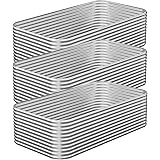
CATMANOR 3 Pack Tall 4x2FT Corrugated Galvanized Steel Raised Garden Bed Outdoor, Metal Above Ground Garden Bed for Vegetables and Flowers, Raised Beds for Gardening
$89.99 (as of 08:19 GMT -05:00 - More infoProduct prices and availability are accurate as of the date/time indicated and are subject to change. Any price and availability information displayed on [relevant Amazon Site(s), as applicable] at the time of purchase will apply to the purchase of this product.)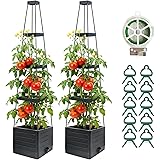
Now retrieving an image set.
2 Pack Raised Garden Bed Planter Box with Trellis, 57" Self-Watering Tomato Planter with Trellis, Tomato Cage Plant Support for Climbing Plants Vegetable Vine Flowers Patio Outdoor Indoor
$29.99 (as of 08:19 GMT -05:00 - More infoProduct prices and availability are accurate as of the date/time indicated and are subject to change. Any price and availability information displayed on [relevant Amazon Site(s), as applicable] at the time of purchase will apply to the purchase of this product.)Table of Contents
- Introduction: Why Growing Vegetables Indoors Is a Game-Changer in 2025
- 1. Choose the Right Containers for Indoor Vegetables
- 2. Selecting the Best Vegetables to Grow Inside
- 3. Optimal Lighting Solutions for Indoor Gardens
- 4. How to Control Temperature and Humidity Effectively
- 5. Soil Preparation and Fertilization Strategies
- 6. Watering Techniques for Healthy Indoor Vegetables
- 7. Pest and Disease Management in Indoor Gardens
- 8. Implementing Smart Technology for Care and Monitoring
- 9. Harvesting Best Practices for Indoor Vegetables
- 10. Maintaining Your Indoor Vegetable Garden Year-Round
- Conclusion and Final Tips for Success
- FAQs about Growing Vegetables Indoors in 2025
Introduction: Why Growing Vegetables Indoors Is a Game-Changer in 2025
As urban spaces become more constrained and climate concerns continue to grow, many people are asking how to grow vegetables indoors effectively in 2025. Indoor gardening offers a fantastic way to enjoy fresh vegetables year-round, regardless of outdoor weather conditions. Whether you have a small apartment, a balcony, or just a dedicated spare room, mastering the art of indoor vegetable cultivation can transform your kitchen into a sustainable food source.
Throughout this comprehensive guide, I will share 10 proven tips on how to grow vegetables indoors that are based on the latest trends, scientific research, and practical experience. By following these strategies, you’ll be able to maximize your indoor gardenâs productivity and health, making your 2025 vegetable-growing journey both rewarding and sustainable.
1. Choose the Right Containers for Indoor Vegetables
Material Matters
Picking the right containers is foundational for successful indoor vegetable growing. Options include plastic, ceramic, fabric, and recycled materials. Each type has its advantages; for instance, fabric pots improve aeration, while ceramic pots retain heat better. In 2025, sustainability is also key, so consider eco-friendly options like recycled plastics or biodegradable planters.
Choosing containers with proper drainage is critical. Excess water can lead to root rot, which is a common problem indoors. Make sure your pots have drainage holes, and always use a layer of gravel or perlite at the bottom for improved water flow.
Size and shape also matter. For example, deep pots are suitable for root vegetables like carrots or beets, whereas shallow containers work for herbs and leafy greens. The right container helps optimize space and maximize yield in limited indoor areas.
Proper Container Placement
Position your containers in spots with the most consistent sunlight or near artificial grow lights. Use stands or shelves to elevate containers off the floor, which promotes airflow and reduces pests. In 2025, smart automation and robotic gardening tools can assist with moving or adjusting containers for optimal light exposure.
Ensure that your containers are stable and accessible. Elevation can prevent pests and make watering easier. For advanced setups, consider adjustable shelves with built-in lighting or heating elements to create controlled environments.
Remember: consistent placement and stability help your plants grow evenly and healthily, contributing to a successful indoor garden.
2. Selecting the Best Vegetables to Grow Inside
Vegetables Suited for Indoor Growth
Not all vegetables are suitable for indoor cultivation. In 2025, focus on compact, fast-growing varieties like lettuce, spinach, radishes, microgreens, cherry tomatoes, peppers, and herbs such as basil and cilantro. These crops are easier to manage indoors and produce quicker harvests.
Research indicates that leafy greens and herbs are among the top choices for indoor gardening because they require less space and light while offering high nutritional value. For instance, a recent study shows that microgreens can be harvested in as little as 10 days.
It’s also a good idea to diversify; growing different types of vegetables keeps your indoor garden interesting and sustainable. Try experimenting with new varieties each season to discover what works best in your environment.
Nutritional and Taste Benefits
Growing your own vegetables indoors ensures freshness and superior flavor compared to store-bought counterparts. In 2025, consumer preferences are shifting toward organic, home-grown produce, which is healthier and more flavorful.
Freshly harvested greens and vegetables retain higher levels of vitamins and antioxidants. Plus, you have control over the growing process, avoiding pesticides and artificial additives.
Remember: selecting the right vegetables for indoor gardening, based on space, light, and time, ensures a successful and rewarding experience.
3. Optimal Lighting Solutions for Indoor Gardens
Natural Light vs. Artificial Grow Lights
Understanding how to optimize lighting is crucial in how to grow vegetables indoors. Natural sunlight is ideal; however, in many indoor environments, supplemental lighting is necessary. In 2025, advanced LED grow lights have become more affordable, energy-efficient, and customizable.
LED grow lights can mimic the sun’s spectrum, promoting healthy growth and higher yields. They allow you to extend daylight hours and control light intensity, which is vital during shorter winter days.
For best results, position grow lights a few inches above the plants and keep them on for 12-16 hours daily. Using timers ensures consistent light cycles, essential for plant health and productivity.
Designing Your Indoor Lighting Setup
When setting up your lighting system, consider the layout and the specific needs of your vegetables. Adjust the height, angle, and duration of light exposure for optimum growth. In 2025, smart lighting systems that automatically adjust based on sensor data are gaining popularity.
Having multiple light sources from different angles helps prevent leggy or uneven growth. Combining overhead LED lights with side lighting can improve canopy development and maximize harvests.
Ensure your space has sufficient electrical infrastructure to support the lighting setup safely and efficiently.
4. How to Control Temperature and Humidity Effectively
Maintaining Suitable Temperature Ranges
Most vegetables thrive between 65°F and 75°F (18°C-24°C). In 2025, smart thermostats and climate controllers make regulating indoor temperatures more accessible and precise. Consistent temperatures help prevent stress and promote vigorous growth.
During colder months, consider space heaters or heated mats for root zones. Conversely, fans and dehumidifiers can cool down warm environments or manage excess humidity.
Monitoring devices connected to apps allow real-time adjustments, minimizing plant stress and increasing yields.
Managing Indoor Humidity Levels
Optimal humidity levels are typically between 50-70%. Too high humidity can foster mold and pests, while low humidity can cause plant dehydration. Using humidifiers or dehumidifiers, based on your climate, ensures stable conditions.
Air circulation is also critical. Incorporate oscillating fans or ventilation systems that prevent stagnant air, reducing disease risk.
Regularly inspecting and tweaking humidity levels in 2025 will become easier with smart sensors and automated systems.
5. Soil Preparation and Fertilization Strategies
Choosing the Right Soil Mix
Indoor vegetables require light, nutrient-rich, and well-draining soil. In 2025, organic potting mixes enhanced with biochar or slow-release fertilizers are popular for sustainable gardening.
A good soil blend includes peat moss or coconut coir for moisture retention, compost for nutrients, and perlite or vermiculite for aeration. This helps maintain soil health and encourages root development.
Testing your soil’s pH and nutrients periodically ensures ideal conditionsâmost vegetables prefer a pH of 6.0-7.0.
Fertilization and Nutrient Management
Active fertilization is vital in an indoor setting, where natural nutrient replenishment is limited. Use balanced, water-soluble fertilizers every 2-3 weeks during the growing season. In 2025, slow-release or organic fertilizers minimize overfeeding risks.
Consider adding liquid plant boosts like kelp extract or fish emulsion to stimulate growth and improve resilience.
Implementing a feeding schedule based on plant stage and type ensures healthy, productive vegetables.
6. Watering Techniques for Healthy Indoor Vegetables
Establishing Proper Watering Practices
Overwatering is a common pitfall indoors. Aim to keep the soil evenly moist but not waterlogged. In 2025, smart soil moisture sensors help automate watering and prevent stress or root rot structures.
Deep, infrequent watering encourages strong root development, while shallow or frequent watering can promote shallow roots prone to drought stress.
Get a free subscription to PREPARE – with more gardening and homesteading tips!
Always use room-temperature water to prevent shocking the plants and ensure even absorption.
Watering Schedules and Techniques
Develop a regular schedule based on the specific needs of each vegetable and environmental conditions. Use watering cans or drip irrigation systems for precision and minimal mess.
Monitoring plant signs such as wilting or yellowing can help fine-tune your watering routine. In 2025, automated or app-controlled watering systems are accessible to hobbyists and serious growers alike.
Remember: consistent, appropriate watering is vital for steady growth and bountiful harvests indoors.
7. Pest and Disease Management in Indoor Gardens
Identifying Common Pests and Diseases
Indoor vegetables can attract pests like aphids, spider mites, and fungus gnats. Diseases such as powdery mildew or root rot also threaten plants. Regular inspections are essential, especially in a controlled environment.
In 2025, integrated pest management (IPM) approaches include biological controls like beneficial insects and eco-friendly pesticides.
Keeping your indoor garden clean, removing diseased foliage, and maintaining optimal humidity reduce pest and disease risks significantly.
Natural Prevention and Remedies
Prevent pests by introducing companion plants or natural repellents like neem oil or insecticidal soap. Regularly wipe down leaves and keep air circulating to deter pests.
For infestations, treat affected plants promptly with organic remedies. Implement quarantine zones for new plants to prevent the spread of pests and diseases.
A proactive approach in 2025, combining monitoring with natural controls, will keep your indoor vegetables healthy without harmful chemicals.
8. Implementing Smart Technology for Care and Monitoring
Smart Devices and Apps
In 2025, smart gardening devices have revolutionized how we care for indoor vegetables. Wireless sensors monitor moisture, temperature, and light, sending real-time data to your phone or smart home system.
Automated watering systems, grow lights, and climate controllers work together to optimize conditions with minimal manual intervention. Integrating these devices simplifies maintenance and increases success rates.
Apps providing customized alerts and care schedules help even beginners stay on top of their indoor gardenâs needs.
Benefits of Automation
Automation reduces human error, saves time, and maximizes growth potential. It also enables precision gardening, ensuring each plant gets exactly what it needs at the right time.
For example, systems that detect low humidity can activate humidifiers or fans automatically, maintaining optimal conditions. This proactive approach leads to healthier, more productive vegetables.
Embracing smart technology in 2025 makes how to grow vegetables indoors more accessible and efficient for everyone.
9. Harvesting Best Practices for Indoor Vegetables
Determining When to Harvest
Timely harvesting is key to flavor and nutrition. Use specific indicators such as color, size, and softness. For example, cherry tomatoes are ripe when theyâre fully red and slightly soft.
In 2025, digital tools and growth tracking apps can help you identify optimal harvest times. For leafy greens, pick the outer leaves regularly to promote continued growth.
Document your experiments to refine your timing for different crops, ensuring maximum yield and quality.
Harvesting Techniques
Use clean scissors or knives to harvest vegetables to prevent damage and disease entry points. Be gentle; roots and stems can be delicate especially in confined indoor spaces.
Avoid pulling or tearing plants; this prolongs plant life and overall productivity. Proper harvesting techniques not only improve flavor but also encourage ongoing production.
In 2025, innovative harvesting tools and methods are becoming more common, making this task quicker and more efficient than ever.
10. Maintaining Your Indoor Vegetable Garden Year-Round
Seasonal Adjustments
Indoor gardening allows for year-round harvesting, but seasonal shifts still impact plant growth. Adjust your lighting, watering, and fertilizing routines accordingly.
In 2025, automated systems can adapt these factors based on real-time data, ensuring consistent high-quality produce regardless of outside weather.
Designing your indoor garden with modular, adaptable setups guarantees flexibility for seasonal changes and future expansion.
Continual Learning and Experimentation
Keep experimenting with new varieties, techniques, and technologies. Join online communities or local gardening clubs to stay updated with the latest trends in indoor vegetable gardening.
Reading scientific papers and gardening publications helps refine your system and overcome challenges effectively. Technology and methods evolve rapidly, and staying informed is key.
Maintain curiosity and enthusiasmâyour indoor garden can be a fulfilling lifelong hobby that improves each year.
Conclusion: Your Key to Mastering How to Grow Vegetables Indoors in 2025
Mastering how to grow vegetables indoors in 2025 opens up new possibilities for fresh, nutritious produce regardless of outdoor conditions. From selecting the right containers to harnessing smart technology, each step is essential for achieving a vibrant, productive indoor garden. Whether youâre a hobbyist or aspiring urban farmer, the tips provided in this guide will set you on the path to success.
Embracing modern tools, sustainable practices, and continuous learning will help you cultivate a thriving indoor vegetable garden this year and beyond. Remember, consistency, patience, and passion are key. Happy gardening!
Frequently Asked Questions
1. How to grow vegetables indoors with limited space?
Use vertical gardening techniques, stacking shelves, and choosing compact plant varieties. Smart lighting and efficient containers maximize space while ensuring healthy growth.
2. What are the best vegetables to grow indoors in 2025?
Leafy greens, herbs, cherry tomatoes, peppers, microgreens, and radishes are among the top choices due to their small size and quick growth cycles.
3. How often should I water my indoor plants?
Water when the top inch of soil feels dry. Use moisture sensors or establish a regular schedule. Proper watering prevents overwatering and underwatering.
4. Can I use natural sunlight for indoor gardening?
Yes, natural sunlight works well, especially near south-facing windows. Supplement with grow lights during darker months for optimal growth.
5. How to troubleshoot common indoor vegetable gardening problems?
Identify issues early: pests, mold,
Get a free subscription to PREPARE – with more gardening and homesteading tips!
Related Content
- Save Money On Fertilizers And Pesticides By Trying These Top Organic Gardening Ideas
- Adirondack nonprofit helps communities prepare for food composting law – WCAX
- The Best Vegetables to Grow in Your Backyard This Summer
- The power of composting
- Oxfordshire recycles more than anywhere else in the country | Oxford Mail