
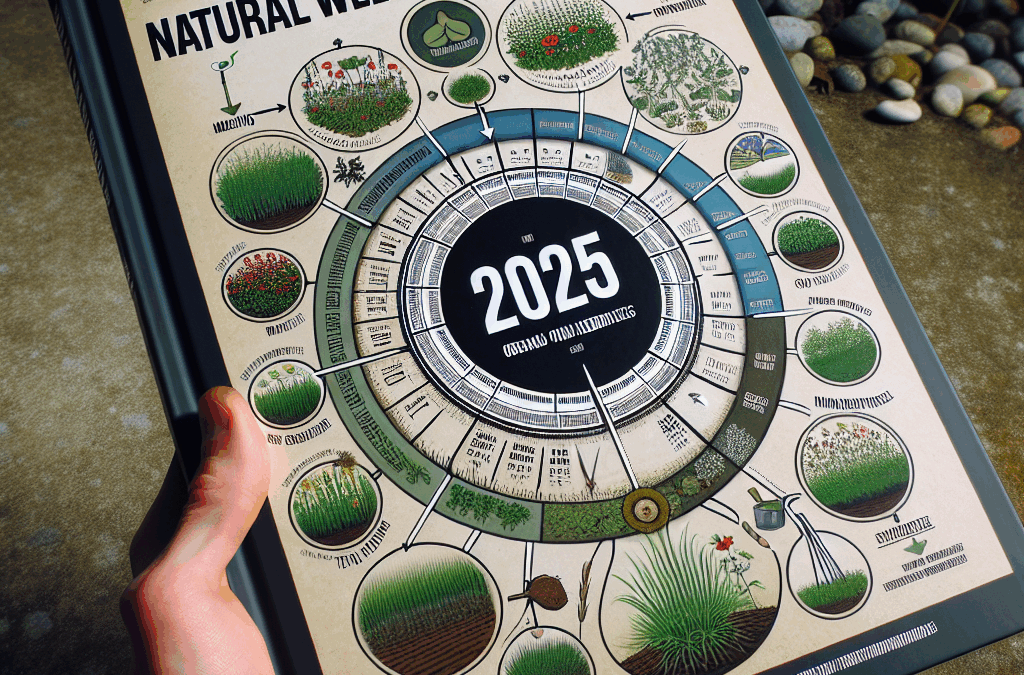
Improving garden yield is not just about planting more seeds; it’s about maximizing the potential of your existing garden space. By focusing on soil health, plant selection, and efficient management practices, you can significantly enhance your harvest. This involves understanding the specific needs of your plants and creating an environment that supports their growth. Without this knowledge, gardeners often make the mistake of over-fertilizing or neglecting pest control, which can lead to disappointing results.
Common pitfalls include assuming that all plants thrive in the same conditions or relying solely on chemical fertilizers. Instead, a holistic approach that considers soil quality, biodiversity, and sustainable practices can yield better results. Prioritize understanding your garden’s microclimate, as factors like sunlight, drainage, and local pests will influence your strategy. Investing time in these areas may require more initial effort, but the long-term benefits to your yield are undeniable.
Soil Health and Nutrients
Healthy soil is the foundation of a productive garden. It provides essential nutrients, supports beneficial microorganisms, and retains moisture. Start by testing your soil to determine pH and nutrient levels. This will help you understand what amendments are necessary to boost fertility. Organic matter, such as compost, can greatly enhance soil structure and nutrient content, leading to healthier plants.
Ignoring soil health can lead to poor growth and low yields. Many gardeners underestimate the importance of organic matter, thinking that synthetic fertilizers will suffice. However, these can disrupt the soil ecosystem, leading to long-term issues. Aim to build a balanced soil profile through regular amendments and by rotating crops to prevent nutrient depletion.
Plant Selection and Companion Planting
Choosing the right plants for your garden’s conditions is crucial. Consider your local climate, soil type, and sunlight availability when selecting plants. Additionally, companion planting can enhance growth and deter pests. For example, planting marigolds alongside vegetables can help repel harmful insects.
Many gardeners make the mistake of planting incompatible species or overcrowding their gardens. This can lead to competition for resources and reduced yields. Instead, research plant compatibility and spacing requirements. Prioritize plants that thrive in your local conditions, as this will yield a more robust harvest.
Watering Techniques
Watering is a critical component of improving garden yield. Overwatering can suffocate roots and lead to disease, while underwatering can stress plants. Implementing efficient watering techniques such as drip irrigation or soaker hoses can ensure that plants receive consistent moisture without waste.
Many gardeners overlook the timing of watering. Watering in the early morning allows plants to absorb moisture before the heat of the day, reducing evaporation. Consider using mulch to retain soil moisture and regulate temperature, which can further improve plant health and yield.
Pest Management Strategies
Effective pest management is essential for maximizing garden yield. Integrated Pest Management (IPM) involves monitoring pest populations and utilizing a combination of biological, cultural, and mechanical controls. This approach minimizes the need for chemical pesticides, which can harm beneficial insects and disrupt the garden ecosystem.
Many gardeners rely solely on pesticides without considering prevention strategies. Regularly inspecting plants for signs of pests and diseases can help you catch issues early. Encourage beneficial insects by planting diverse species and avoiding broad-spectrum pesticides, which can eliminate helpful organisms.
Further Reading
Authoritative Sources
- MedlinePlus
medlineplus.govConsumer-friendly medical and health information from the U.S. National Library of Medicine.
- National Institutes of Health
nih.govResearch-based health information and links to authoritative medical resources.
- Centers for Disease Control and Prevention
cdc.govOfficial public health guidance, prevention resources, and topic-specific recommendations.
- Mayo Clinic
mayoclinic.orgTrusted clinical guidance, symptom explainers, and treatment overviews.
- World Health Organization
who.intGlobal health guidance, fact sheets, and evidence-based public health information.
Frequently Asked Questions
What is the best way to improve soil health?
Incorporate organic matter such as compost, practice crop rotation, and avoid chemical fertilizers to enhance soil structure and nutrient content.
How often should I water my garden?
Water your garden deeply once or twice a week, depending on the climate and soil type, rather than frequent shallow watering.
What plants should I avoid planting together?
Avoid planting alliums (like onions) with legumes (like beans) as they can inhibit each other’s growth.
How can I naturally deter pests?
Plant companion plants, use barriers like row covers, and introduce beneficial insects such as ladybugs to manage pest populations naturally.
What are common signs of nutrient deficiency in plants?
Signs include yellowing leaves, stunted growth, and poor fruit development, often indicating a lack of nitrogen, phosphorus, or potassium.
Conclusion
Improving garden yield requires a comprehensive understanding of various factors, including soil health, plant selection, watering techniques, and pest management. Focus on building healthy soil, choosing compatible plants, and implementing efficient watering practices to see significant improvements in your harvest. By prioritizing these elements and avoiding common mistakes, you can cultivate a thriving garden that meets your expectations and needs.


