
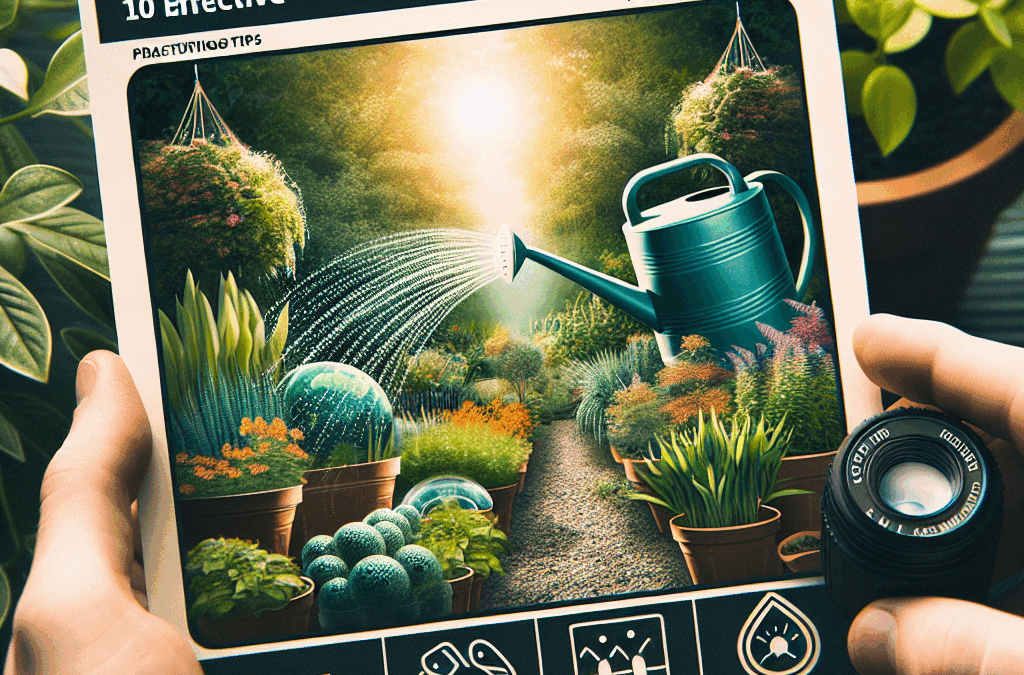
Next, consider the specific needs of your plants, such as soil type, water requirements, and companion planting strategies. Many gardeners mistakenly underestimate the importance of plant spacing and layout, which can significantly impact growth and yield. A well-planned garden layout not only maximizes space but also facilitates maintenance and harvesting.
Another common pitfall is neglecting seasonal timing. Each plant has its own growth cycle, and understanding when to plant, transplant, and harvest is essential for maximizing your garden’s productivity. Prioritize crops that thrive in your local conditions and plan for crop rotation to maintain soil health.
Choosing the Right Location
The first step in planning a homestead garden is selecting the right location. Look for a site that receives at least six to eight hours of direct sunlight daily, as most vegetables and herbs thrive in bright light. Additionally, ensure good drainage to avoid waterlogging, which can harm plant roots.
Soil quality is another critical factor; testing your soil for pH and nutrient levels can help you determine whether amendments are needed. Avoid areas prone to flooding or strong winds, as these can damage young plants. Remember, the location can affect microclimates—areas that might be warmer or cooler than their surroundings due to shade or windbreaks.
Many gardeners overlook the importance of accessibility. Ensure your garden is easy to reach for watering, weeding, and harvesting. Consider including pathways to facilitate movement and reduce soil compaction around your plants.
Essential Plant Selection
Choosing the right plants is vital for a successful homestead garden. Begin by selecting varieties that are well-suited to your climate and soil conditions. Native plants often thrive better and require less maintenance than non-natives.
When selecting vegetables, consider your dietary preferences and what grows well in your region. Crop diversity can enhance resilience against pests and diseases, so include a mix of annuals and perennials, as well as different plant families. A common mistake is to plant too many of one type, which can lead to issues with pests and soil depletion.
Incorporating companion planting strategies can also enhance growth and deter pests. For example, planting marigolds alongside vegetables can help repel harmful insects. Prioritize crops that complement each other, maximizing space and resources.
Designing Your Garden Layout
A well-thought-out garden layout can significantly improve productivity and ease of maintenance. Start by sketching a design that incorporates rows, raised beds, or containers, depending on your space and preferences. Consider the mature size of plants to avoid overcrowding.
Vertical gardening techniques, such as trellising, can save space and increase yields, particularly for climbing plants like beans and cucumbers. Also, think about irrigation methods; drip systems or soaker hoses can help conserve water while ensuring your plants receive adequate moisture.
Many gardeners fail to plan for seasonal changes, which can affect layout efficiency. As some crops are harvested, consider rotating in new plants to maintain productivity year-round. Planning ahead can help avoid gaps in your garden’s output.
Understanding Seasonal Timing
Seasonal timing is a crucial aspect of planning your homestead garden. Understanding your local frost dates and growing seasons will help you determine when to plant and harvest various crops. Use a planting calendar specific to your region to guide your decisions.
Many gardeners mistakenly plant too early or too late, leading to poor yields. Starting seeds indoors can extend your growing season, allowing you to transplant established seedlings into the garden once conditions are favorable. Be mindful of the specific needs of each crop, as some may require a longer growing season than others.
Additionally, consider succession planting to maximize your harvest. By staggering planting times for crops with different maturity dates, you can enjoy a continuous supply of fresh produce throughout the season.
Further Reading
Authoritative Sources
- Harvard University Extension
extension.harvard.eduThis resource provides comprehensive guidance on sustainable gardening practices suitable for various climates
- Rodale's Organic Life
rodalesorganiclife.comA trusted source for organic gardening techniques and seasonal planting tips
- Gardener's Supply Company
gardeners.comOffers a wealth of articles on gardening techniques and product recommendations
- Permaculture Institute
permaculture.orgA great resource for learning about sustainable gardening and permaculture practices
Frequently Asked Questions
What are the best plants for a homestead garden?
Best plants include vegetables like tomatoes, peppers, and leafy greens, as well as herbs like basil and rosemary. Choose based on your climate and personal preferences.
How do I improve my garden soil?
Improve soil by adding organic matter such as compost, well-rotted manure, or mulch. Conduct a soil test to identify specific nutrient needs.
What is the best layout for a small garden?
A raised bed layout or vertical gardening can maximize space in a small garden while allowing for efficient maintenance and harvesting.
When should I plant my garden?
Plant your garden after the last frost date in your area. Use a planting calendar to determine specific times for different crops.
How can I prevent pests in my garden?
Prevent pests by using companion planting, maintaining healthy soil, and employing physical barriers like row covers. Regular monitoring helps catch issues early.
Conclusion
To successfully plan a homestead garden, prioritize location, plant selection, layout, and seasonal timing. A thoughtful approach to these elements can lead to a thriving garden that provides fresh produce throughout the year. Remember to adapt your strategies based on local conditions and continuously learn from your gardening experiences. Stay proactive in managing soil health and pest control to ensure long-term success.


