Now retrieving an image set.
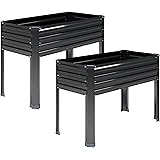
DIIYIV 2PCS Galvanized Raised Garden Bed with Legs,2PCS 48×18×30in Elevated Planter Box for Backyard,Garden, Patio, Balcony, 300lb Capacity,Planters for Outdoor Plants,Black
$89.99 (as of 12:58 GMT -05:00 - More infoProduct prices and availability are accurate as of the date/time indicated and are subject to change. Any price and availability information displayed on [relevant Amazon Site(s), as applicable] at the time of purchase will apply to the purchase of this product.)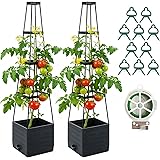
Now retrieving an image set.
2 Pack Raised Garden Bed Planter Box with Trellis, 57'' Self Watering Tomato Planters for Climbing Plants, Tomato Cage Trellis for Vegetables & Vine Flowers Indoor Outdoor Patio
$28.99 (as of 08:19 GMT -05:00 - More infoProduct prices and availability are accurate as of the date/time indicated and are subject to change. Any price and availability information displayed on [relevant Amazon Site(s), as applicable] at the time of purchase will apply to the purchase of this product.)- 1. Assess Your Space and Choose the Right Location
- 2. Select Suitable Vegetables for Small Gardens
- 3. Plan Your Garden Layout Effectively
- 4. Prepare Your Soil for Healthy Growth
- 5. Use Smart Watering and Maintenance Practices
- 6. Utilize Containers and Vertical Gardening
- 7. Stay Consistent and Track Your Progress
1. Assess Your Space and Choose the Right Location
Understanding Your Available Space
Before diving into how to start a small vegetable garden, the first step is assessing your available space. Whether you have a tiny balcony, a backyard patch, or even a sunny windowsill, knowing your dimensions helps you plan effectively. For small gardens, space optimization is key, so measure your area accurately to avoid over- or under-estimating what you can grow.
In 2025, urban gardening is more popular than ever, with many people successfully cultivating vegetables in compact areas. According to recent studies, even outdoor spaces as small as 3×3 feet can produce a surprising amount of produce with proper planning.
Take note of existing structures, shade patterns, and foot traffic that might affect sunlight and access. These factors directly influence the success of your small vegetable garden, and understanding them allows you to optimize your planting locations.
Picking the Optimal Spot for Sunlight
Most vegetables require at least 6-8 hours of direct sunlight daily. When selecting your location, look for the sunniest spot in your yard or balcony. Use a sunlight tracking app or observe the area throughout the day to verify sunlight exposure.
In 2025, smart technology can assist with this task, helping you identify the best spot for your garden. Proper sunlight ensures vigorous plant growth and higher yields. Conversely, shady areas can cause legginess and poor fruiting.
Also, consider wind exposure and protection from harsh weather. Slightly sheltered spots can reduce plant stress and extend the growing season, which is critical for small gardens aiming for efficient yields.
2. Select Suitable Vegetables for Small Gardens
Best Vegetables for Limited Space
When learning how to start a small vegetable garden, choosing the right vegetables is essential. In 2025, many gardeners prioritize fast-growing, space-efficient vegetables like lettuce, radishes, cherry tomatoes, and zucchini. These plants provide a big harvest even in confined areas.
Leafy greens such as spinach, kale, and arugula are excellent choices since they grow quickly and can be harvested multiple times. Root vegetables like carrots and beets are also suitable if space allows for their root development.
Fruits like strawberries and small herbs such as basil, cilantro, and parsley complement small gardens, providing flavor and versatility. Mixing these into your garden plan maximizes limited space and additive flavors to your meals.
Considering Your Climate and Season
Research your local climate zone to select vegetables that thrive in your region in 2025. Understanding frost dates and typical temperature ranges helps you choose varieties that will flourish without extra heating or cooling measures.
Many small gardeners succeed by staggering planting schedules and opting for cold-tolerant or heat-resistant varieties. This ensures a steady supply of fresh vegetables throughout the growing season.
For beginners, starting with proven, easy-to-grow varieties reduces frustration and makes learning how to start a small vegetable garden more enjoyable and rewarding.
3. Plan Your Garden Layout Effectively
Maximizing Space with Companion Planting
Effective garden layout is fundamental when learning how to start a small vegetable garden. Companion planting â growing certain plants together for mutual benefit â helps maximize space and improve health. For example, basil planted near tomatoes can boost flavor and deter pests.
Arrange your plants based on their mature size and growth habits. Tall plants like pole beans or corn should be positioned at the back or along the north side to prevent shading shorter plants.
In 2025, digital planning tools or garden apps can help you design efficient, visually appealing layouts, making the most of every inch of your small garden and increasing your productivity.
Creating Zones for Different Crops
Dividing your small garden into zones for root vegetables, leafy greens, and fruiting plants helps streamline maintenance. Keep frequently harvested crops near your watering station or tools for convenience.
Consider using raised beds, containers, or vertical structures to create dedicated zones within limited space. This stratification ensures you can reach everything easily and reduces the risk of disease transfer.
Smart planning leads to a more organized, manageable small vegetable garden, reducing time spent on upkeep and increasing yields.
4. Prepare Your Soil for Healthy Growth
Testing and Amending Your Soil
Healthy soil is the foundation for a successful small vegetable garden. Start by testing your soil’s pH and nutrient levels, which can be done with inexpensive test kits or through local extension services. The goal in 2025 is to create a nutrient-rich, well-draining environment for your plants.
If your soil is too acidic or alkaline, amend it with organic materials like compost, peat moss, or limestone as appropriate. Enriching your soil boosts plant growth and resilience.
Adding aged compost not only provides essential nutrients but also improves soil structure, moisture retention, and microbial activity, all vital for thriving vegetables.
Building Raised Beds and Containers
In small spaces, raised beds or containers can dramatically improve soil quality and accessibility. Fill them with a mix of garden soil and compost for optimal plant health.
Raised beds warm up faster in spring, extending your growing season. They also help prevent soil compaction and weed intrusion, making maintenance easier.
This approach is especially beneficial in urban settings, where soil quality may be poor, providing a clean, controlled environment for your vegetables to flourish.
Get a free subscription to PREPARE – with more gardening and homesteading tips!
5. Use Smart Watering and Maintenance Practices
Establishing an Efficient Watering Routine
Consistent watering is critical in learning how to start a small vegetable garden. Deep, infrequent watering encourages strong root growth, whereas shallow, frequent watering fosters shallow roots vulnerable to drought.
Automated drip irrigation or soaker hoses can make watering easier and more efficient in 2025, saving time and water. Mulching around plants also reduces evaporation and keeps the soil moist.
Monitor soil moisture regularly to avoid over- or underwatering, and adjust your routine based on weather conditions and plant requirements.
Regular Maintenance and Pest Control
Keeping your small garden free of weeds, pests, and diseases is essential for production. Schedule weekly checks to remove weeds swiftly and inspect plants for signs of pests like aphids or caterpillars.
Incorporate natural pest control methods, such as attracting beneficial insects or spraying organic solutions. Healthy plants are less susceptible to infections and invasive pests, which is great for small-scale gardening.
So, stay vigilant and proactiveâitâs one of the best ways to ensure a thriving vegetable garden.
6. Utilize Containers and Vertical Gardening
Advantages of Container Gardening
Containers are a game-changer when learning how to start a small vegetable garden. They enable you to grow a variety of vegetables in limited space, and they are portable, making them ideal for patios or balconies.
Choose containers with drainage holes and use high-quality potting soil tailored for vegetables. Select container sizes based on the mature size of your plants. For example, herbs and small greens need less space than tomatoes or peppers.
In 2025, innovative container designs and self-watering systems have become popular, simplifying maintenance and ensuring consistent moisture levels.
Vertical Gardening Techniques
Vertical gardening allows you to grow upwards rather than outwards, saving space. Use lattice, trellises, or wall-mounted planters to support climbing vegetables like peas, pole beans, cucumbers, and cherry tomatoes.
Vertical setups also improve air circulation, reduce disease risks, and make harvesting easier. They are particularly effective in small urban gardens.
Investing in vertical planters or modular systems is a smart modern approach to how to start a small vegetable garden in tight spaces.
7. Stay Consistent and Track Your Progress
Developing a Gardening Routine
Consistency is key when learning how to start a small vegetable garden. Set a weekly schedule for watering, fertilizing, harvesting, and pest checks. This not only keeps plants healthy but also builds good habits.
Keeping a gardening journal or digital log helps you record what works and what doesnât, so you can refine your approach over time. Note planting dates, weather conditions, and crop yields for future reference.
By sticking to your routine, you’ll see steady progress and be more confident tackling challenges that come your way in 2025’s growing season.
Adapting and Learning
Gardening is a dynamic process, and flexibility is important. If something isnât working, be ready to adapt your methods. For example, if a certain vegetable doesnât thrive, try a different variety or adjust your watering schedule.
Engage with local gardening communities online or in person. Sharing experiences and tips can accelerate your learning. Remember, everyone starts somewhere, and persistence is key.
Tracking your small gardenâs progress helps you celebrate successes and learn from setbacks, guiding your journey from novice to expert gardener in 2025.
Frequently Asked Questions
1. How to start a small vegetable garden for beginners?
Begin by assessing your space, choosing easy-to-grow vegetables, preparing the soil, and creating a simple layout. Start small and expand as you gain experience. Remember, consistency and observation are crucial to success.
2. What are the best vegetables for a small garden in 2025?
Fast-growing, space-efficient vegetables such as lettuce, radishes, cherry tomatoes, and herbs are ideal. Consider your local climate and season for the best choices.
3. Can I grow vegetables in containers?
Absolutely! Container gardening is perfect for small spaces, allowing you to grow a variety of vegetables with minimal space. Just choose appropriate containers and soil for your plants.
4. How do I learn how to start a small vegetable garden and maintain it?
Follow a weekly routine including watering, fertilizing, pest control, and harvesting. Keep records, observe plant growth, and adapt your methods as needed. Community gardening groups and online resources are also helpful.
5. Why is planning so important in how to start a small vegetable garden?
Proper planning maximizes limited space, improves crop yields, and reduces waste. Effective layout and crop selection ensure your small garden remains manageable and productive throughout the season.
Conclusion
Learning how to start a small vegetable garden in 2025 is an achievable and rewarding endeavor. By assessing your space, choosing suitable crops, planning carefully, and maintaining consistent practices, you can enjoy fresh, homegrown vegetables even in compact areas. Remember, success depends on preparation, patience, and persistence. Start small, stay committed, and watch your mini garden flourish. Happy gardening!
<!–  –>
–>
Get a free subscription to PREPARE – with more gardening and homesteading tips!
Related Content
- Food Waste Composting Machine Market Recent Opportunities with Growth Forecasts by 2027 …
- From Seed to Harvest: The Complete Vegetable Gardening Journey
- You only live twice: Indian man found alive in morgue, cremated | News24
- JAPHI concerned with solid waste management – Jamaica Observer
- Human <b>composting</b> legislation considered in Delaware