Now retrieving an image set.
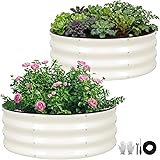
ZORMY Galvanized Raised Garden Bed Outdoor, Round Metal Planter Boxes 2 Pcs, 3x3x1ft Steel Raised Bed Kit for Planting Vegetables, Fruits, Flowers(White)
$49.99 (as of 08:24 GMT -05:00 - More infoProduct prices and availability are accurate as of the date/time indicated and are subject to change. Any price and availability information displayed on [relevant Amazon Site(s), as applicable] at the time of purchase will apply to the purchase of this product.)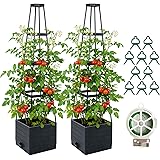
Now retrieving an image set.
2 Pack Raised Garden Bed Planter Box with Trellis, 57'' Self Watering Tomato Planters for Climbing Plants, Tomato Cage Trellis for Vegetables & Vine Flowers Indoor Outdoor Patio
$29.99 (as of 08:24 GMT -05:00 - More infoProduct prices and availability are accurate as of the date/time indicated and are subject to change. Any price and availability information displayed on [relevant Amazon Site(s), as applicable] at the time of purchase will apply to the purchase of this product.)Table of Contents
- 1. Choose the Ideal Location
- 2. Select the Right Vegetables for 2025
- 3. Plan Your Garden Layout
- 4. Prepare the Soil Properly
- 5. Use Sustainable Gardening Practices
- 6. Invest in Modern Gardening Tools and Technology
- 7. Maintain Consistent Care and Monitoring
1. Choose the Ideal Location
Sunlight and Exposure
When learning how to start a vegetable garden in 2025, selecting the right location is foundational. Most vegetables require at least 6-8 hours of direct sunlight daily. Observe your yardâs sunlight patterns throughout the day and pick a spot that receives ample sunlight. Proper exposure ensures healthy plant growth and abundant harvests.
In 2025, climate trends show that strategic sunlight placement can help mitigate potential heat stress during hotter months. Growing vegetables in areas with good airflow can also prevent disease. Remember, a well-lit location promotes stronger root systems and higher yields.
For urban gardeners, rooftops or balconies with southern exposure are excellent options. Use tools like sunlight meters or smartphone apps to analyze light levels, ensuring you make the best choice for your vegetable garden.
Soil and Drainage
Beyond sunlight, prioritize soil quality when figuring out how to start a vegetable garden. Well-draining soil prevents waterlogging, which can rot roots and weaken plants. Conduct a simple drainage test by digging a small hole and filling it with water; observe how quickly it drains.
In 2025, smart gardeners are incorporating soil sensors that monitor moisture and pH levels. Healthy soil with proper drainage and balanced pH (around 6.0-7.0) fosters optimal nutrient uptake, boosting vegetable growth.
If drainage is poor, consider raised beds or container gardening, which can be personalized for excellent water management. This approach provides flexibility and improves crop success rates.
2. Select the Right Vegetables for 2025
Trending Vegetables for 2025
Choosing which vegetables to grow in 2025 depends on your climate, space, and preferences. Popular options include heirloom tomatoes, kale, carrots, and new hybrid varieties that are resistant to pests and diseases. Staying updated on crop trends helps you maximize your harvests and enjoy fresh, nutritious produce.
Many gardeners are exploring exotic or unusual veggies like purple cauliflower or baby bok choy to diversify their gardens. Experiments with these crops can make gardening more exciting and rewarding.
Research which vegetables thrive in your region’s growing season and select varieties that suit your taste and culinary plans. Local gardening guides or extension services can provide tailored advice for 2025 trends.
Get a free subscription to PREPARE – with more gardening and homesteading tips!
Vegetable Compatibility and Rotation
Understanding crop compatibility is essential when learning how to start a vegetable garden. Certain vegetables grow well together, while others may compete for nutrients or attract pests. Companion planting can improve yields; for example, tomatoes grow well with basil or carrots.
Implement crop rotation practices to maintain soil health and reduce pest buildup. Rotating crops annually minimizes disease risks and ensures nutrients are replenished naturally. In 2025, sustainable practices like cover cropping and organic amendments support eco-friendly gardening.
Design your planting schedule considering seasonal variations, ensuring continuous harvests and efficient space utilization. This strategic planning makes your vegetable garden more productive and resilient.
Frequently Asked Questions
1. How long does it take to see results after starting a vegetable garden?
Most vegetables will show visible growth within 2-4 weeks after planting, depending on the crop. Fast-growing vegetables like radishes can be ready in about a month, while slower crops like pumpkins may take 3-4 months. Patience and proper care are key to a successful garden.
2. What are the best vegetables to grow in containers in 2025?
Container gardening is trending in 2025. Popular options include cherry tomatoes, lettuce, herbs, peppers, and small root vegetables like radishes or carrots. Use high-quality potting soil and ensure containers have proper drainage for best results.
3. How can I make my vegetable garden more sustainable in 2025?
Practices such as composting kitchen scraps, using organic fertilizers, planting cover crops, and practicing crop rotation enhance sustainability. Reducing chemical inputs and conserving water through drip irrigation also contribute to an eco-friendly garden.
4. Can I start a vegetable garden in small spaces?
Absolutely! Techniques like vertical gardening, square foot gardening, and container planting maximize limited space. Even small balconies or patios can support a thriving vegetable garden with the right planning and design.
5. Why is it important to learn how to start a vegetable garden properly?
Proper starting methods increase your chances of success, reduce pests and diseases, and lead to higher yields. In 2025, awareness of sustainable and efficient gardening practices makes learning how to start a vegetable garden more beneficial than ever for fresh food and environmental health.
Conclusion
Learning how to start a vegetable garden in 2025 can be a rewarding experience that provides fresh produce, promotes sustainability, and enhances your connection to nature. From choosing the perfect location to selecting the right vegetables and adopting eco-friendly practices, each step is vital. By applying these practical tips and strategies, youâre well on your way to cultivating a thriving garden that will flourish throughout the year. Whether youâre a seasoned gardener or just beginning, 2025 offers exciting opportunities to grow your green space and enjoy the bounty of your efforts.
Get a free subscription to PREPARE – with more gardening and homesteading tips!
Related Content
- Global Waste <b>Composting</b> Machine Market 2021 Top Companies Report Covers, Impact …
- Global Solid Waste Management Market Value Expected To Grow $ 324788.1 Mn By 2030 …
- Horticulture Advice Everyone Should Be Aware Of
- The Best Vegetables to Grow in Your Backyard This Summer
- 10 Effective Garden Watering Tips (2025 Guide) to Boost Your Plants