
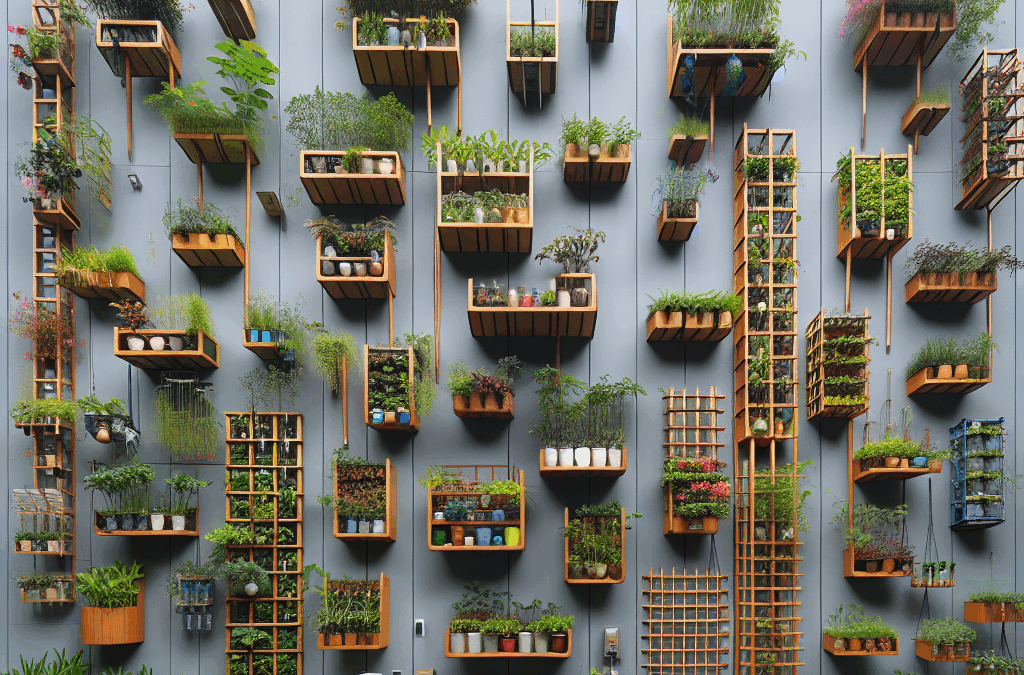
Watering your garden correctly is critical for fostering healthy plants and ensuring your gardening efforts yield fruitful results. The right watering technique can significantly impact plant growth, disease resistance, and overall garden health. Understanding how to water effectively involves recognizing the specific needs of your plants, the characteristics of your soil, and the environmental conditions of your garden.
Many gardeners face challenges due to common misconceptions, such as overwatering or underwatering. These mistakes can lead to root rot or dehydration, respectively. Therefore, it is essential to take a strategic approach to watering that considers factors like plant type, soil moisture, and weather conditions. Prioritizing these elements will help you make informed decisions that ultimately enhance your gardening experience.
Understanding Plant Water Requirements
Different plants have unique water needs, which can vary based on their species, growth stage, and environmental factors. For instance, succulents require far less water than leafy greens, and young seedlings often need more frequent watering than established plants. Knowing the specific requirements of the plants in your garden is crucial for effective watering.
Many gardeners mistakenly assume that all plants need the same amount of water, leading to inconsistent results. To avoid this pitfall, it’s essential to group plants with similar needs together and monitor their moisture levels regularly. This approach not only conserves water but also promotes healthier growth.
Soil Types and Their Impact on Watering
The type of soil in your garden plays a significant role in how water is absorbed and retained. Sandy soils drain quickly, while clay soils hold moisture longer. Understanding these characteristics can help you tailor your watering strategy effectively.
For example, if you have sandy soil, you might need to water more frequently but in smaller amounts, while clay soil may require less frequent watering with deeper application. Ignoring these factors can lead to overwatering in clay soils, causing root issues, or underwatering in sandy soils, leading to stress on your plants.
Optimal Watering Techniques and Tools
Utilizing the right tools and techniques can drastically improve your watering efficiency. Drip irrigation systems, for example, deliver water directly to the plant roots, minimizing evaporation and runoff. Soaker hoses are another effective method for ensuring consistent moisture across garden beds.
Many gardeners underestimate the value of investing in quality watering tools. While it may seem easier to use a standard hose, employing specialized equipment can lead to better water management and healthier plants. Consider your garden’s layout and plant types when selecting your watering tools.
Timing Your Watering for Maximum Effectiveness
The timing of your watering sessions is just as important as the method. Early morning is generally considered the best time to water, as it allows plants to absorb moisture before the heat of the day causes evaporation. Evening watering can sometimes lead to fungal diseases due to prolonged moisture on foliage.
Understanding your local climate and seasonal changes will also help you adjust your watering schedule. For example, during hot, dry spells, you may need to increase your watering frequency. Conversely, during rainy periods, reducing watering can prevent waterlogging and root rot.
Further Reading
Authoritative Sources
- Watering Your Garden
extension.purdue.eduThis resource from Purdue Extension offers practical advice on effective watering techniques tailored to various plant types
- Gardener's Watering Tips
gardeners.comExplore expert tips on watering practices to enhance your gardening success
- Watering Plants
rhs.org.ukThe Royal Horticultural Society provides insights into how to water effectively for different types of plants
Frequently Asked Questions
What is the best time of day to water my garden?
Early morning is ideal for watering, as it allows plants to absorb moisture before evaporation occurs during the day.
How often should I water my garden?
Watering frequency depends on your soil type and plant needs, but generally, 1-2 inches of water per week is recommended.
Can I water my garden too much?
Yes, overwatering can lead to root rot and other diseases. It’s crucial to monitor soil moisture levels.
Signs of overwatering include yellowing leaves and wilting, even when the soil is wet.
What are the signs that my plants need water?
Signs include wilting leaves, dry soil, and leaf drop. Monitoring these cues can help you water effectively.
Is it better to use a hose or a watering can?
It depends on the size of your garden; hoses are better for larger areas, while watering cans allow for more precise watering of individual plants.
Conclusion
Understanding how to water your garden the right way is key to promoting healthy plant growth and maximizing your gardening success. By prioritizing the specific needs of your plants, choosing appropriate watering techniques, and timing your watering sessions wisely, you can create an environment where your garden thrives. Regularly assessing soil moisture and adjusting your watering strategy based on environmental conditions will further enhance your gardening efforts. Start implementing these practices today for a more vibrant and productive garden.


