Now retrieving an image set.
Land Guard 8ft Galvanized Raised Garden Bed Kit, Raised Garden Boxes Outdoor, Oval Metal Raised Garden Beds for Vegetables, Silver,108 Gallon Capacity(with 10 Connecting rods)
$39.99 (as of 12:59 GMT -05:00 - More infoProduct prices and availability are accurate as of the date/time indicated and are subject to change. Any price and availability information displayed on [relevant Amazon Site(s), as applicable] at the time of purchase will apply to the purchase of this product.)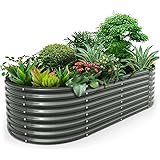
Now retrieving an image set.
A ANLEOLIFE 8x4x2ft Galvanized Raised Garden Bed Kit, Oval Metal Deep Root Planters for Outdoor Plants Vegetables Flowers Herb, Large Bottomless, 478 Gallon Capacity- Quartz Grey
$148.85 (as of 12:59 GMT -05:00 - More infoProduct prices and availability are accurate as of the date/time indicated and are subject to change. Any price and availability information displayed on [relevant Amazon Site(s), as applicable] at the time of purchase will apply to the purchase of this product.)- 1. Choosing the Right Grow Lights for Indoor Gardening with Grow Lights
- 2. Optimal Light Placement and Distance
- 3. Balancing Light Cycles and Timing
- 4. Understanding Light Spectrum for Healthy Plants
- 5. Managing Bloom and Veg Phases Effectively
- 6. Incorporating Automation for Consistent Results
- 7. Enhancing Growth with Supplemental Lighting Techniques
- 8. Troubleshooting Common Problems in Indoor Gardening with Grow Lights
- 9. Maintaining and Upgrading Your Lighting System
- 10. Sustainable and Energy-Efficient Indoor Gardening with Grow Lights
1. Choosing the Right Grow Lights for Indoor Gardening with Grow Lights
Understanding Different Types of Grow Lights
When it comes to indoor gardening with grow lights, selecting the appropriate lighting system is crucial. The main options in 2025 include LED, fluorescent, and HID lights. LED grow lights are popular today due to their energy efficiency, longevity, and customizable spectrums. They produce less heat and can be tailored for specific plant needs, making them ideal for both beginners and experienced growers.
Fluorescent lights are an affordable choice for seedlings and leafy greens but might lack the intensity required for flowering plants. HID lights, such as metal halide (MH) and high-pressure sodium (HPS), are powerful and effective but tend to be less energy-efficient and generate more heat. As of 2025, LEDs remain the top choice for indoor gardening with grow lights because of their versatility and long-term cost savings.
Prioritizing Spectral Quality and Intensity
For healthy plant growth, the spectral quality of your grow lights matters. Plants primarily utilize blue light for vegetative growth and red light for flowering. Many LED grow lights now come with adjustable spectrums, enabling you to customize the light for each stage of growthâan essential feature for indoor gardening with grow lights.
Light intensity, measured in PAR (Photosynthetically Active Radiation), also influences how well plants thrive under your setup. Ensuring your lights provide sufficient PAR levels for your plant varieties can lead to higher yields and better quality crops. Invest in a light meter for accurate measurements and optimal performance.
2. Optimal Light Placement and Distance
Understanding Light Penetration and Coverage
Proper placement of grow lights is vital for indoor gardening with grow lights. Incorrect distances can cause uneven plant growth or light burn. Generally, for LED grow lights, maintaining a distance of 12-24 inches from the plant canopy is recommended, but this varies based on light intensity and wattage.
In 2025, many growers use adjustable suspension systems to modify light height as plants grow. This flexibility allows for uniform coverage, especially when managing multiple crops or plant varieties in a small space.
Monitoring and Adjusting for Plant Growth
As your plants develop, adjusting the distance between the grow lights and the plants is essential. During the seedling stage, keep lights closer but avoid burning them. As plants mature, gradually increase the height of the lights to prevent heat stress. Regularly inspect your plants for signs of stretching or scorched leaves and adjust accordingly.
Using tools like light meters can help you fine-tune placement, ensuring your indoor garden receives optimal light without waste or damage. Remember, consistent light distribution encourages even growth, crucial in small indoor spaces.
3. Balancing Light Cycles and Timing
The Importance of Photoperiods in Indoor Growing
Managing light cycles is a fundamental aspect of indoor gardening with grow lights. Most plants require a specific amount of light and dark periods each day to thrive. For example, vegetables like lettuce need about 14-16 hours of light, while flowering plants benefit from 12 hours of light and 12 hours of darkness to induce blooming.
In 2025, automated timers integrated with grow light systems make it easy to maintain consistent schedules. Proper timing not only promotes healthy growth but also prevents stress and accidental light pollution that can interfere with plant cycles.
Adjusting Light Duration for Different Growth Stages
Starting with a longer light period (around 16 hours) during seedling and vegetative phases supports rapid, healthy growth. Transitioning to a 12-hour light cycle encourages flowering and fruiting. Using programmable timers ensures precise adjustments and minimizes human error.
Consistent light cycles also help in reducing energy consumption and extending equipment lifespan. Regular monitoring and adherence to optimal photoperiods can significantly influence crop yields and quality in your indoor garden.
4. Understanding Light Spectrum for Healthy Plants
Blue Light vs. Red Light in Indoor Gardening with Grow Lights
Blue and red light spectrums are fundamental in indoor gardening with grow lights. Blue light, around 400-500nm, promotes vegetative growth, strong stems, and healthy leaves. Red light, approximately 600-700nm, encourages flowering and fruit development.
In 2025, most LED grow lights combine both spectrums and often include full-spectrum options, simulating natural sunlight. This combination helps plants develop better overall health and yields, especially when managing diverse plant types in the same space.
The Role of Full-Spectrum Lighting
Full-spectrum grow lights mimic the natural sunlight spectrum, supporting all growth phases from seedling to harvest. They include a mix of blue, red, and other wavelengths to ensure comprehensive plant development. Investing in such lighting in 2025 can simplify your setup, reducing the need for multiple light types.
Having the right spectrum can also influence plant flavor, nutrient content, and resilience. By understanding and utilizing the proper light spectrum, you optimize your indoor gardening with grow lights for best results.
5. Managing Bloom and Veg Phases Effectively
Switching Light Settings for Growth Stages
Transitioning between vegetative and flowering phases is a critical step in indoor gardening with grow lights. During veg, focus on blue light spectrums and longer light cycles. When switching to bloom, increase red light and reduce the photoperiod to 12 hours of light and 12 of darkness.
In 2025, many LED systems allow you to switch modes or adjust spectrums with a push of a button or through smart controls. This ease of transition minimizes stress on plants and maximizes harvest quality.
Timing the Transition for Maximum Yield
Timing is everything. For instance, when your plants have reached about half their expected mature size, consider initiating the flowering phase. Keep an eye on plant signals like stretch and node development. A proper transition period ensures robust blooms and higher yields.
Experimenting with light schedules based on specific plant requirements leads to better harvests. Documenting and adjusting your timing in 2025 can improve your indoor gardening success significantly.
6. Incorporating Automation for Consistent Results
Smart Technology in Indoor Gardening with Grow Lights
Automation is a game-changer in 2025. Smart grow light systems with built-in timers, dimmers, and spectrum controls allow you to set precise schedules and adapt light conditions based on plant growth stages. These systems often connect via apps, giving you control from anywhere.
By automating lighting, you reduce human error, ensure consistent light delivery, and optimize energy use. Automations can also include environmental sensors to adjust lighting based on heat, humidity, or time of day, promoting healthier plants.
Get a free subscription to PREPARE – with more gardening and homesteading tips!
Practical Tips for Implementing Automation
Start with basic timers and gradually upgrade to more sophisticated systems. Label your plant zones and set individual schedules for each. Regularly monitor plant responses and tweak automation settings accordingly.
Investing in automation not only saves time but also enhances growth consistency, especially important when managing multiple indoor gardens or busy schedules.
7. Enhancing Growth with Supplemental Lighting Techniques
Using Reflectors and Light Reflectance
Maximizing efficiency involves using reflectors and reflective surfaces to bounce light onto your plants. Mylar, white paint, or reflective panels can significantly increase light utilization, reducing the number of lights needed and saving energy.
In 2025, many growers already incorporate reflective setups to improve uniformity and plant health in confined indoor spaces. Proper reflectance ensures that the light from your grow lights reaches every leaf, promoting vigorous growth.
Combining Different Light Sources
Sometimes, supplementing your main grow lights with additional light sources like fluorescents or lower-wattage LEDs can fill in spectrum gaps or provide extra light intensity during critical growth phases. This approach can lead to healthier, faster-growing plants.
Thoughtful integration of supplemental lighting techniques elevates indoor gardening with grow lights, improving yields and reducing energy costs.
8. Troubleshooting Common Problems in Indoor Gardening with Grow Lights
Overexposure and Burned Leaves
One common issue is light burn caused by placing grow lights too close. Signs include brown or bleached leaf edges. To prevent this, monitor plant response and maintain recommended distances, especially with powerful LEDs.
Adjusting light height and intensity can resolve overexposure issues. In 2025, many systems include real-time sensors or auto-dimming features to help prevent light stress.
Low Light or Poor Growth
Insufficient light results in legginess, slow growth, and poor yields. Ensure your grow lights cover the entire plant canopy uniformly. Upgrading to higher PAR output LEDs or adding supplemental lights can be solutions.
Regularly verifying light spectrum and intensity ensures your indoor gardening with grow lights stays on track for productivity.
9. Maintaining and Upgrading Your Lighting System
Routine Maintenance for Longevity
Keep your grow lights clean by wiping off dust and debris that can reduce light output. Check electrical connections regularly to prevent malfunctions. Replacing worn-out parts ensures optimal performance.
LED systems typically last 50,000 hours or more, but component failures may occur. Routine maintenance extends their lifespan and maximizes your investment.
When to Upgrade for Better Performance
As technology advances, upgrading your lighting system can yield better growth performance and energy efficiency. Consider newer models with enhanced full-spectrum capabilities or higher PAR values.
Staying current with 2025 innovations can provide your indoor garden with the best possible environment for robust, healthy plants.
10. Sustainable and Energy-Efficient Indoor Gardening with Grow Lights
Choosing Eco-Friendly Lighting Options
In 2025, sustainability is vital. LED grow lights are the most eco-friendly choice due to their low energy consumption and long lifespan. Sunlit spectrum LEDs that mimic natural sunlight reduce the need for additional lighting and lower electricity bills.
Reducing Your Carbon Footprint
Optimize your lighting schedule to minimize energy use, such as running lights only during necessary periods. Implement energy-saving practices like using timers, reflective surfaces, and efficient fixtures. These measures contribute to a greener indoor gardening practice.
Incorporating sustainable practices into your indoor gardening with grow lights not only benefits the environment but also saves you money in the long run.
Conclusion
Indoor gardening with grow lights is an exciting and rewarding way to cultivate plants indoors in 2025. By selecting the right lighting system, optimizing placement, managing light cycles, and leveraging current technology, you can create a thriving indoor garden no matter how limited your space. Remember, the key to success lies in understanding your plants’ needs and adapting your lighting strategy accordingly. Incorporate these 10 effective strategies to elevate your indoor gardening game in 2025, making it more efficient, sustainable, and productive. Happy gardening!
Frequently Asked Questions
1. What is the best type of grow light for indoor gardening with grow lights?
LED grow lights are currently the best choice in 2025 due to their energy efficiency, customizable spectrums, and long lifespan. They provide optimal conditions for various plant growth stages while saving energy and reducing heat output.
2. How close should grow lights be placed to indoor plants?
Generally, LED grow lights should be placed 12-24 inches above the plant canopy, but this varies depending on the light’s intensity and wattage. Regularly monitor plants for signs of stretching or scorching to adjust the height as needed.
3. How do I switch between vegetative and flowering phases in indoor gardening with grow lights?
Adjust the light spectrum and cycle duration. During veg, use longer light periods with blue spectrum light. For flowering, shift to red spectrum light and a 12-hour on/12-hour off cycle. Modern LED systems often simplify this with built-in modes or smart controls.
4. What are some energy-saving tips for indoor gardening with grow lights?
Use energy-efficient LED lights, implement timers and automation, optimize reflector use, and set appropriate light cycles. Regular maintenance and upgrades also contribute to sustainable, energy-efficient gardening.