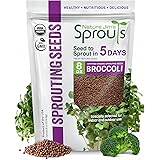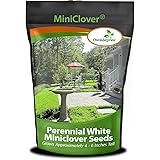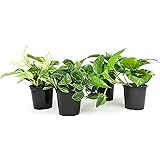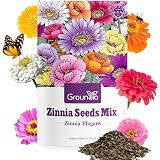
Now retrieving an image set.
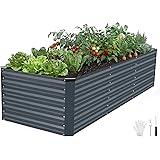
INNO STAGE 8x3x2ft Galvanized Raised Garden Bed, Raised Garden Bed Kit-Metal Planter Box Outdoor, Planting for Vegetables, Fruits, Herbs, Flowers, Grey
$79.89 (as of 08:24 GMT -05:00 - More infoProduct prices and availability are accurate as of the date/time indicated and are subject to change. Any price and availability information displayed on [relevant Amazon Site(s), as applicable] at the time of purchase will apply to the purchase of this product.)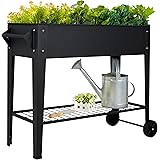
Now retrieving an image set.
LEETOLLA Elevate 32" Tall Raised Garden Bed Outdoor with Wheels & Shelf for Mobility, 400LBS Capacity, Anti-Rust Steel Planter Box for Vegetables/Herbs, Patio-Balcony-Backyard
$59.84 (as of 12:59 GMT -05:00 - More infoProduct prices and availability are accurate as of the date/time indicated and are subject to change. Any price and availability information displayed on [relevant Amazon Site(s), as applicable] at the time of purchase will apply to the purchase of this product.)1. Choose the Right Plants
Understanding Heat-Tolerant Varieties
As someone who’s spent countless summers tending to my garden, I’ve learned that not all plants can handle the heat. It’s essential to know which varieties thrive in hot weather. Plants like succulents, lavender, and many herbs not only survive but can flourish under the blazing sun. They’re tough cookies, requiring less water while still delivering vibrant colors and textures.
One thing I’ve discovered is that selecting native plants can make a world of difference. These beauties are naturally adapted to the local climate and often require less care. They draw in local pollinators and help sustain the ecosystem, which is an added bonus!
Additionally, consider group planting; it creates microclimates. When you bunch heat-resistant plants together, they provide shade for each other. That’s like giving your plants their own little shade party—who doesn’t love a good party?
Plan for Seasonal Changes
Now, as the seasons shift, so too should your garden strategy. Timing is crucial! I always make sure to check when’s the best time to plant heat-loving varieties in my zone. If you’re like me, you want your garden to be vibrant and thriving without being a source of stress.
Don’t forget about rotation! Changing where you plant certain crops each season can help maintain soil health, reduce pests, and ultimately lead to a more resilient garden that withstands heat better.
Lastly, partnering obligingly with plants that complement each other can help create an army of greenery that shields the weaklings. It’s like forming your very own garden squad!
Soil Quality and Preparation
Okay, let’s talk soil! I firmly believe soil is the heart of a successful garden. In the heat, the ground can dry out quickly, so I often work on enhancing its structure. Adding organic matter not only improves moisture retention but also promotes healthy bacteria that break down nutrients.
Moreover, using mulch can be a game-changer. A well-placed layer can keep the soil cool and minimize evaporation, which is super helpful during the hottest parts of summer. Whenever I mulch, I swear I feel like a gardening wizard casting a spell of coolness!
Lastly, testing your soil pH regularly will ensure that your plants are getting the nutrients they need and that opponents like weeds and pests are kept at bay. With the right soil, you’re setting the stage for a thriving garden!
2. Watering Techniques
Optimal Watering Schedule
Watering your plants can feel like a chore, but trust me, it’s an art. In the heat, I’ve found that watering early in the morning or late in the evening helps a ton. It allows the water to soak into the soil before the sun has a chance to evaporate it.
Also, trust your instincts! Instead of going by a rigid schedule, I’d recommend checking the soil moisture with your finger. If it’s dry a couple of inches down, it’s time for a drink. Plants will appreciate the timely refreshment, and you might just save a few bucks on your water bill!
In summary, consider collecting rainwater if you can. It’s eco-friendly, and your plants will love the natural nutrients found in it. Plus, every drop feels like a huge victory during those dry spells!
Drip Irrigation vs. Hand Watering
I’ve gone back and forth between using a drip irrigation system and old-school hand watering. Both come with their perks. Drip irrigation is a fantastic way to ensure that water gets delivered directly to the roots where it’s needed most, and it’s a real time saver.
However, hand watering has its own magic. It gives me time to inspect my plants closely, notice any issues, and even chat with them a little (don’t judge!). There’s something so satisfying about seeing each plant perk up after a good soak.
Whether you opt for high-tech or low-tech, just remember that consistency is key. Your plants will respond in kind, giving you a garden that flourishes even in the heat!
Signs of Under-Watering
Often, we think more is better, but it’s so easy to miss the subtle signs of under-watering. Leaves that are wilting or curling are like your plants’ SOS signals. They’re basically waving the white flag, asking for help!
Also, pay attention to soil texture. If it’s dusty and loses its structure, it’s a surefire sign your plants are thirsty. And don’t forget to keep an eye out for those pesky pests; they tend to flock to stressed plants like moths to a flame!
Having a vigilant eye can make all the difference! The more involved I get, the better my garden looks. After all, a vibrant garden is a happy garden!
3. Providing Shade
Using Physical Structures
Sometimes, I feel like a garden architect when planning for shade! Things like trellises, arbors, and shade sails can really offer protection to delicate plants during those hotter months. It’s amazing what a little shade can do – it’s like giving your plants their own little vacation spot!
Planting taller varieties nearby can also create areas of partial shade. It’s nature’s way of helping each other out, and I love to see all my plants working together.
Sometimes, I even repurpose old furniture or recycled materials. A fun bench or a cozy chair can double as a shade-giving tower for my plants. Don’t be afraid to think outside the box—each unique structure adds personality to your garden!
Natural Shade from Companion Plants
Companion planting is one of my favorite tricks! Certain combinations naturally provide shade. For instance, planting sunflowers among smaller plants creates pockets of shade that help keep moisture levels up.
It’s not just about size; the color and texture of the plants create visual interest. I like to mix it up with various foliage colors to keep things lively while ensuring that all parts of my garden are taken care of!
Additionally, make sure to research what combinations work best for the climate. Each plant plays its part in the community, nurturing and protecting one another!
Temporary Shade Solutions
If you didn’t get around to constructing your perfect shade structure in time, don’t sweat it! There are temporary solutions. I’ve draped an old sheet or canvas over a frame to create instant shade for my more delicate plants. It’s like the quick fix of the gardening world.
Get a free subscription to PREPARE – with more gardening and homesteading tips!
Fences and garden umbrellas can also come to your rescue, blocking blaring rays while looking stylish, of course. To keep the breeze flowing, I just double-check that any makeshift shade isn’t completely sealed off either.
As the sun moves, just make sure to adjust as needed. Your garden will feel the love, and you’ll be rewarded with growth that harmonizes beautifully.
4. Regular Maintenance
Weed Control
Keeping weeds at bay is essential, especially in heat! If they’re not controlled, they’ll rob your plants of nutrients and water. I try to pull them early in the morning or after a rain when the soil is damp, making it easier to get them out. Plus, I find it’s therapeutic!
Another effective tactic I use is to mulch around plants. It not only helps in keeping weeds down but also minimizes water evaporation from the soil, creating a winning combination.
And never underestimate the power of a good weed barrier! Sometimes, laying down landscape fabric can act as a first line of defense. With some diligence, my garden is a weed-free haven!
Pest Management
Pests can be real troublemakers in the heat, so I’m always on high alert. I regularly inspect my plants for any sighs from the critters. If I notice anything off, I grab my trusty neem oil spray, a natural remedy I swear by!
Another approach I love is attracting beneficial insects. I plant flowers like marigolds nearby to lure in ladybugs and lacewings that keep those pesky aphids in check. It’s like throwing a party where the guests take care of business!
Staying proactive is key. The sooner I spot a problem, the easier it is to manage. I make it a habit to keep my garden clean and tidy, which drastically reduces the chances of inviting pests in!
Deadheading and Pruning
Deadheading is like giving my plants their own spa day. By snipping off spent blooms, I encourage my plants to focus on producing fresh flowers, and I get to enjoy a longer blooming season. It’s a beautiful win-win!
Pruning is another vital task that helps maintain plant health. I always keep my pruning shears handy. Whether it’s cutting back leggy growth or removing diseased leaves, it keeps the garden looking sharp—and healthy!
Plus, with careful pruning, I can shape my plants exactly how I want them. A little creativity goes a long way. Every trim means a happier plant!
5. Embracing the Heat
Adapting Your Mindset
We all know gardening can be a challenge during hot spells, but I’ve learned it can also be an opportunity for growth! Embracing the heat means understanding that some plants will shine in this season while others take a break. It’s all part of nature’s cycle, and I try to roll with it.
Acknowledging my limits as a gardener has helped immensely. Some days are just too hot to work, and that’s okay! I give myself permission to take breaks and enjoy my garden without effort. It’s a relationship, after all.
Remember to celebrate the vibrancy of the season. Even though things may be drying up in the heat, there’s so much beauty to appreciate. Slow down and enjoy those warm evenings with blooming colors splashed everywhere!
Seasonal Celebrations
This is the time to embrace seasonal activities! Hosting a garden party or potluck to celebrate the heat can be a fantastic way to enjoy all your hard work. Your thriving space will be the perfect backdrop for some fun and laughter.
Consider growing summer-specific crops like tomatoes or peppers that are at their prime during the heat. They’ll not only thrive but also give you delicious rewards to share with loved ones!
Being social with gardening can be encouraging, too! Sharing tips with fellow gardening enthusiasts fosters growth—not just in plants but in friendships!
Reflecting on Your Journey
To wrap up, I always reflect on my gardening journey as the heat rolls in. Each year brings new challenges and successes, and I like to jot down what I loved and what didn’t work. It’s like a diary of gardening wisdom that keeps my passion kindled.
Thinking back on what I’ve learned helps me strategize better the next season. It’s all part of the journey, and every mistake teaches me something, even if it stings a little.
In the end, it’s about finding joy in your garden no matter the heat. That’s what keeps me coming back for more, season after season!
FAQs
1. What types of plants are best for hot weather?
Heat-tolerant varieties like succulents, lavender, and various herbs are ideal for warmer climates as they require less water and thrive in direct sunlight.
2. When is the best time to water my garden during the heat?
Watering early in the morning or late in the evening is recommended to minimize water evaporation and help keep your plants well-hydrated.
3. How do I keep weeds from overtaking my garden?
I recommend regular weeding, using mulch to suppress growth, and employing weed barriers to keep pesky invaders at bay.
4. What are some natural ways to manage pests?
Using neem oil, attracting beneficial insects like ladybugs, and keeping a clean garden area are effective natural pest management strategies.
5. How do I care for my garden during a heatwave?
Stay observant! Ensure your plants are getting enough water, provide shade, and be ready to adapt your gardening methods to support their health throughout the heat.