Now retrieving an image set.
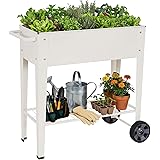
BIRDSINYARD Elevated 32" Tall Raised Garden Bed with Legs and Wheels for Mobility, Metal Planter Boxes Outdoor with Shelf, Raised Bed for Gardening Vegetables/Herbs, Backyard, Patio, Balcony, White
$54.99 (as of 08:19 GMT -05:00 - More infoProduct prices and availability are accurate as of the date/time indicated and are subject to change. Any price and availability information displayed on [relevant Amazon Site(s), as applicable] at the time of purchase will apply to the purchase of this product.)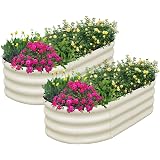
Now retrieving an image set.
SnugNiture Galvanized Raised Garden Bed Outdoor, 2 Pcs 4x2x1ft Oval Metal Planter Box for Planting Plants Vegetables, White
$51.99 (as of 12:58 GMT -05:00 - More infoProduct prices and availability are accurate as of the date/time indicated and are subject to change. Any price and availability information displayed on [relevant Amazon Site(s), as applicable] at the time of purchase will apply to the purchase of this product.)- 1. Choose Hardy, Low-Maintenance Vegetables
- 2. Optimize Your Garden Layout for Ease
- 3. Use Quality Soil and Mulch
- 4. Implement Water-Efficient Irrigation Systems
- 5. Practice Companion Planting for Pest Control
- 6. Incorporate Drought-Resistant Vegetables
- 7. Automate Fertilization and Nutrient Supply
- 8. Use Raised Beds for Simplified Maintenance
- 9. Plant at the Right Time for Your Climate
- 10. Regular but Minimal Maintenance Routine
1. Choose Hardy, Low-Maintenance Vegetables
Selecting resistant, easy-to-grow vegetables
Starting your low maintenance vegetable gardening in 2025 with the right plant choices is crucial. Focus on hardy varieties like radishes, lettuce, Swiss chard, and kale. These vegetables are known for their resilience and minimal care requirements. They can tolerate a range of soil and weather conditions, making them ideal for busy gardeners or those new to gardening.
Many of these vegetables mature quickly, providing an abundant harvest without the need for intensive attention. For example, radishes can be ready to harvest in just 3-4 weeks, allowing for rapid success with minimal fuss. Their pest resistance and adaptability make them perfect for low maintenance gardening plans.
Moreover, choosing plants resistant to common pests and diseases reduces the need for chemical interventions or frequent monitoring. Look for varieties labeled as disease-resistant or suited for your USDA hardiness zone. This proactive approach helps maintain a healthy garden with less effort.
2. Optimize Your Garden Layout for Ease
Designing for accessibility and efficiency
Creating a garden layout that prioritizes accessibility can significantly reduce maintenance time. Use raised beds or container gardens to minimize bending and compaction. Position your vegetable beds in a sunny, easily accessible spot to simplify watering, harvesting, and weeding.
In 2025, smart garden layouts that incorporate pathways and organized planting zones are trending. These help avoid trampling plants and make routine tasks more manageable. For example, a grid design or circular beds can facilitate movement and minimize walking distance across your garden.
When planning your vegetable garden, consider integrating compact plants close together, leveraging vertical space when possible. This not only saves space but also reduces the need for extensive weeding and staking, making gardening less labor-intensive.
3. Use Quality Soil and Mulch
Building rich soil for less intervention
Healthy soil is the foundation of low maintenance vegetable gardening. Investing in high-quality, organic soil amendments in 2025 will reduce the need for frequent watering and fertilization. Compost, aged manure, and soil conditioners create a nutrient-rich environment that supports vigorous plant growth.
Incorporate mulch layersâsuch as straw, wood chips, or shredded leavesâto suppress weeds, retain moisture, and regulate soil temperature. Mulching reduces the need for weeding and watering, both of which are common garden chores.
Research shows that mulched gardens can cut watering by up to 50% and drastically reduce weed growth by blocking sunlight. This means less time spent on garden maintenance and more time enjoying your harvest.
4. Implement Water-Efficient Irrigation Systems
Automating watering with modern technology
In 2025, smart irrigation systems are a game-changer for low maintenance vegetable gardening. Drip irrigation, soaker hoses, and automated timers ensure plants receive consistent watering without daily attention. These systems reduce water waste and prevent overwatering, which can harm plants.
For best results, set your irrigation system to water early in the morning or late in the evening when evaporation rates are low. Automating this process means you can enjoy your garden without the stress of manual watering every day.
In addition, integrating moisture sensors can optimize watering schedules, further reducing effort. Modern systems are user-friendly, affordable, and compatible with smartphone apps in 2025, making them accessible even for novice gardeners.
5. Practice Companion Planting for Pest Control
Natural pest management strategies
Companion planting involves growing certain plants together to deter pests and improve growth. For low maintenance vegetable gardening, this approach reduces the need for chemical pesticides and frequent pest monitoring. Examples include planting basil near tomatoes or marigolds alongside beans.
In 2025, garden enthusiasts are increasingly combining pest-repellent plants with vegetables in innovative designs that are both functional and aesthetic. Companion planting not only keeps pests at bay but also enhances soil health and biodiversity.
By planning your garden layout to include these plant combinations, you create a self-sustaining ecosystem that requires minimal intervention. This approach results in a healthier garden with less time spent on pest control problems.
6. Incorporate Drought-Resistant Vegetables
Choosing plants suited for water conservation
With climate changes and water restrictions becoming more common in 2025, selecting drought-resistant vegetables is vital for low maintenance gardening. Crops like eggplants, okra, and certain varieties of beans are adapted to withstand periods of low water availability.
These plants typically have deeper root systems, allowing them to access underground moisture and thrive with less frequent watering. They also tend to be more resilient against drought stress, reducing the need for extra irrigation efforts.
Growing drought-resistant vegetables not only simplifies watering routines but also promotes sustainable gardening practices. By integrating these plants into your garden, you can enjoy productive harvests even during dry spells, saving time and resources.
Get a free subscription to PREPARE – with more gardening and homesteading tips!
7. Automate Fertilization and Nutrient Supply
Using slow-release fertilizers and compost teas
Maintaining soil fertility is easier in 2025 thanks to automated fertilization systems. Slow-release organic fertilizers or nutrient-rich compost teas can be applied periodically to keep plants healthy with minimal effort. These methods reduce the frequency of fertilizing and prevent nutrient runoff.
Set up a schedule or use fertilizer applicators with timers that dispense nutrients at specified intervals. This ensures your vegetables get consistent nourishment without manual intervention, freeing up your time for other gardening activities.
Also, supplement with organic options like seaweed extract or fish emulsion for a natural boost. These eco-friendly solutions align with sustainable garden practices that are trending strongly in 2025.
8. Use Raised Beds for Simplified Maintenance
Building and managing raised garden beds
Raised beds are a favorite among gardeners aiming for low maintenance vegetable gardening in 2025. They offer excellent soil control, reduce weed growth, and improve drainage. Raised beds also lessen the physical strain of bending or kneeling, making garden tasks more manageable.
Designing compact, modular raised beds allows for easier watering, planting, and harvesting. You can also incorporate built-in irrigation or drainage systems within these beds to further streamline maintenance.
In addition, raised beds warm up faster in spring, extending the growing seasonâan advantage for early planting and higher yields with less effort. Overall, investing in quality raised beds can significantly decrease garden chores.
9. Plant at the Right Time for Your Climate
Maximizing success with proper timing
In 2025, understanding and planning for your local climate zones is crucial for low maintenance vegetable gardening. Planting crops at optimal times ensures healthy growth and reduces the need for extra intervention. Use local planting calendars or apps tailored to your area to guide your timing.
By sowing seeds or transplanting seedlings at the right time, you avoid early frost damage or summer heat stress. This practice leads to more reliable harvests with less pest and disease issues, minimizing overall maintenance.
Furthermore, timing your planting to coincide with seasons where natural rainfall or mild temperatures occur can reduce supplemental watering and care activities, making gardening more sustainable and effortless.
10. Regular but Minimal Maintenance Routine
Establishing an efficient care schedule
Creating a routine that involves a quick weekly check-up can keep your vegetable garden healthy with minimal effort. Focus on removing dead leaves, checking for pests, and watering as needed, rather than daily intensive tasks.
In 2025, many gardeners are adopting smart garden toolsâlike moisture sensors and pest trapsâthat notify them when attention is required. This technology reduces unnecessary work while maintaining productivity.
Simplifying your maintenance routinesâsuch as harvesting frequently to encourage more growthâcan lead to a thriving garden that doesn’t demand excessive time. Consistency in these minimal efforts ensures long-term success for low maintenance vegetable gardening.
Frequently Asked Questions
What is low maintenance vegetable gardening?
Low maintenance vegetable gardening involves selecting hardy plants, designing easy-to-manage layouts, and utilizing automated systems and sustainable practices that minimize ongoing effort. Itâs perfect for busy schedules or beginners looking for a productive but hassle-free garden in 2025.
How can I start a low maintenance vegetable garden in 2025?
Begin by choosing resilient vegetables suited to your climate, preparing quality soil, and planning an accessible layout. Incorporate smart watering systems, mulching, and companion planting strategies to reduce ongoing chores. Following these steps will set a solid foundation.
Which vegetables are best for low maintenance gardening?
Opt for vegetables like radishes, lettuce, Swiss chard, kale, beans, and drought-tolerant crops. These require less watering, pest management, and support, making them ideal choices for effortless gardening in 2025.
Can I automate the watering and fertilizing of my garden?
Absolutely! Modern smart irrigation systems, moisture sensors, and automatic fertilization tools are widely available and highly effective in 2025. They help maintain optimal conditions with minimal manual input, saving you time and effort.
Why is choosing the right timing important in low maintenance vegetable gardening?
Planting at the right time ensures plants grow under optimal conditions, reduces pest and disease problems, and minimizes the need for extra interventions. Use local planting guides and climate data to plan accordingly for an easier gardening experience.
Conclusion
Embracing low maintenance vegetable gardening in 2025 can transform your gardening experience into a rewarding, stress-free activity. By selecting hardy plants, optimizing garden layout, and integrating modern tech like automated irrigation and smart fertilization, you can enjoy fresh produce with less effort. Remember, the key is thoughtful planning and adopting sustainable practices that work with your environment. Whether youâre a busy professional or a new gardener, focusing on low maintenance techniques ensures your garden remains productive and enjoyable throughout the year. Make 2025 the year you master low maintenance vegetable gardening, and reap the benefits of a thriving, hassle-free garden!