
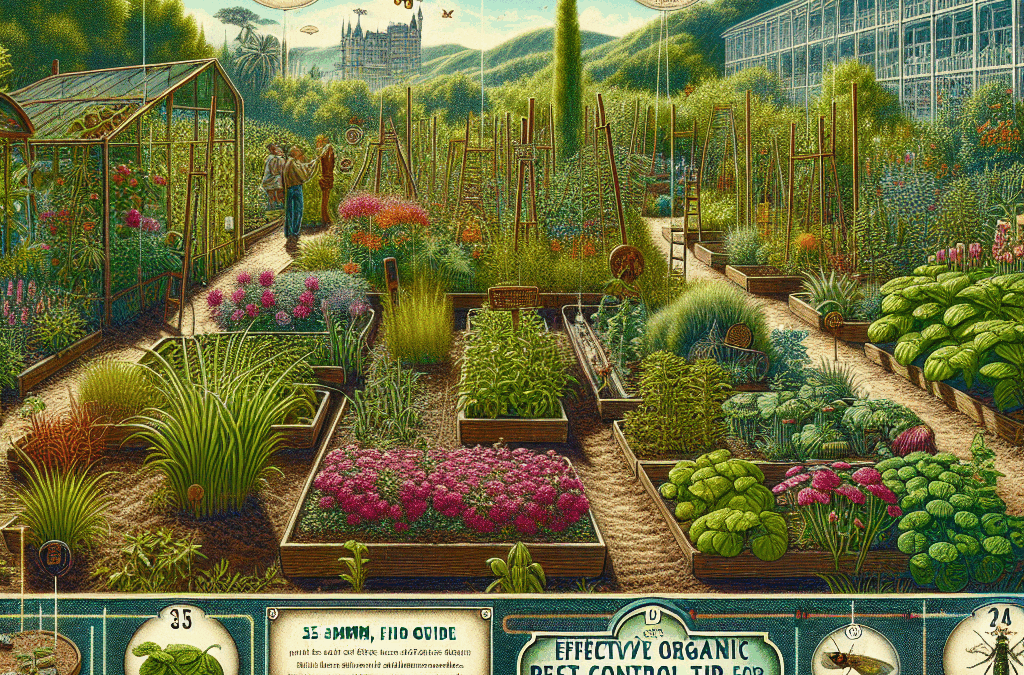
Natural gardening methods are designed to cultivate a flourishing environment that prioritizes sustainability and ecological balance. Unlike conventional gardening, which often relies on synthetic fertilizers and pesticides, natural gardening emphasizes organic practices that enrich the soil, support biodiversity, and ultimately contribute to healthier plants. Adopting these methods not only enhances the garden’s productivity but also aligns with the broader goal of environmental stewardship.
However, many gardeners face challenges when transitioning to these methods. Common pitfalls include misunderstanding the soil’s needs, over-reliance on single techniques, or neglecting the importance of biodiversity. It’s crucial to recognize that developing a natural garden is a gradual process that requires patience, observation, and a willingness to adapt. Misconceptions about the efficacy of organic solutions can lead to frustration, particularly for those accustomed to conventional gardening approaches.
Understanding Soil Health
Soil health is the foundation of successful natural gardening. Healthy soil is rich in organic matter, microorganisms, and essential nutrients, which together create a thriving ecosystem for plants. Strategies such as crop rotation and cover cropping can significantly improve soil structure and fertility. Regular soil testing can help identify deficiencies and inform amendments.
One common mistake is over-fertilizing, which can disrupt the natural balance of soil organisms. Instead, focus on building soil health gradually through organic amendments like compost, which can enhance nutrient availability without harming beneficial microbial life. Prioritizing soil health will lead to more resilient plants that require less intervention over time.
Embracing Biodiversity
Biodiversity is a core principle of natural gardening. A diverse garden ecosystem can reduce pest outbreaks, improve pollination, and enhance resilience to diseases. Incorporating a variety of plants, including native species, attracts beneficial insects and creates a balanced environment.
Many gardeners underestimate the importance of diversity, often opting for monocultures. This approach can lead to vulnerabilities and increased pest pressures. Instead, aim for a mix of plants that vary in height, color, and bloom time, which will not only enhance the garden’s aesthetic appeal but also its ecological function.
Effective Composting Techniques
Composting is a cornerstone of natural gardening, transforming kitchen scraps and yard waste into nutrient-rich soil amendments. A well-maintained compost pile can significantly enhance soil fertility and structure while reducing waste. Key aspects of successful composting include maintaining the right balance of green and brown materials, ensuring adequate aeration, and monitoring moisture levels.
A common error is adding too many high-nitrogen materials, which can lead to odors and slow decomposition. Instead, aim for a balanced mix of green materials (like grass clippings) and brown materials (such as dried leaves) to foster an efficient composting process. Regular turning of the pile will also accelerate decomposition and improve aeration.
Companion Planting Strategies
Companion planting involves strategically placing different plants together to enhance growth, deter pests, and improve overall garden health. Certain plant combinations can naturally repel harmful insects or attract beneficial ones, creating a more harmonious growing environment. For instance, planting marigolds alongside vegetables can deter nematodes and other pests.
However, many gardeners overlook the specific needs and compatibility of plants. Before implementing companion planting, research which combinations work best in your climate and soil conditions. Prioritize plants that complement each other’s growth habits, nutrient requirements, and pest resistance to maximize your garden’s potential.
Further Reading
For those interested in deepening their understanding of natural gardening methods, numerous resources are available. Local extension services often provide valuable guidance tailored to specific regions, while books and online courses can offer comprehensive strategies for sustainable gardening practices.
Further Reading
Authoritative Sources
- MedlinePlus
medlineplus.govConsumer-friendly medical and health information from the U.S. National Library of Medicine.
- National Institutes of Health
nih.govResearch-based health information and links to authoritative medical resources.
- Centers for Disease Control and Prevention
cdc.govOfficial public health guidance, prevention resources, and topic-specific recommendations.
- Mayo Clinic
mayoclinic.orgTrusted clinical guidance, symptom explainers, and treatment overviews.
- World Health Organization
who.intGlobal health guidance, fact sheets, and evidence-based public health information.
Frequently Asked Questions
What are natural gardening methods?
Natural gardening methods focus on sustainable practices that enhance soil health and promote biodiversity, avoiding synthetic chemicals.
How can I improve my soil health naturally?
Improving soil health can be achieved through organic composting, crop rotation, and adding cover crops to enrich soil structure and nutrients.
What is companion planting?
Companion planting involves growing different plants together to enhance growth, deter pests, and improve overall garden health.
How do I start composting at home?
Begin composting by collecting kitchen scraps and yard waste, maintaining a balance of green and brown materials, and turning the pile regularly for aeration.
Why is biodiversity important in gardening?
Biodiversity in gardening helps reduce pest outbreaks, improves pollination, and enhances resilience to diseases, creating a balanced ecosystem.
Conclusion
Incorporating natural gardening methods can transform your landscape into a thriving ecosystem that benefits both you and the environment. By focusing on soil health, embracing biodiversity, and utilizing effective composting and companion planting strategies, you can create a sustainable garden that thrives with minimal intervention. Prioritize these practices to ensure that your gardening efforts yield fruitful and lasting results.


