Now retrieving an image set.
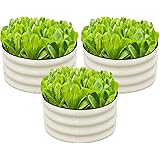
SnugNiture 3 Pcs 2x2x1ft Round Galvanized Raised Garden Bed Kit Outdoor, Metal Planter Box for Planting Plants Vegetables, White
$50.99 (as of 12:58 GMT -05:00 - More infoProduct prices and availability are accurate as of the date/time indicated and are subject to change. Any price and availability information displayed on [relevant Amazon Site(s), as applicable] at the time of purchase will apply to the purchase of this product.)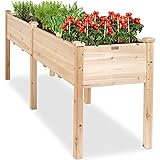
Now retrieving an image set.
Best Choice Products 72x24x30in Raised Garden Bed, Elevated Wood Planter Box Stand for Backyard, Patio, Balcony w/Divider Panel, 6 Legs, 300lb Capacity - Natural
$139.99 (as of 12:58 GMT -05:00 - More infoProduct prices and availability are accurate as of the date/time indicated and are subject to change. Any price and availability information displayed on [relevant Amazon Site(s), as applicable] at the time of purchase will apply to the purchase of this product.)- Introduction
- Building a Foundation for Your Natural Pest Control Garden
- Implementing Beneficial Organisms and Companion Planting
- Designing a Sustainable and Resilient Natural Pest Control Garden
- Frequently Asked Questions About Natural Pest Control Gardens
- Conclusion
Introduction
Creating a natural pest control garden in 2025 is more than just a trend—it’s a sustainable way to maintain healthy, chemical-free plants. As gardeners become increasingly aware of the environmental impacts of pesticides, many are turning to nature-inspired methods to manage pests effectively. The key lies in understanding how to attract beneficial insects, select the right plants, and design your garden to naturally ward off pests.
In this article, I’ll share the top 7 proven strategies that will help you develop a thriving natural pest control garden this year. Whether you’re a seasoned gardener or just starting out, these practical tips will empower you to create a balanced ecosystem right in your backyard. Let’s dive into methods that are eco-friendly, effective, and tailored for 2025 gardening challenges.
Building a Foundation for Your Natural Pest Control Garden
Assess Your Garden Environment
Start by observing your garden’s microclimates, soil types, and existing plant health. Understanding these elements helps you choose appropriate pest-resistant plants and organic methods tailored for your locale. Conduct a soil test to determine pH and nutrient levels, ensuring your plants have a healthy foundation to thrive naturally.
This foundational step allows you to identify potential pest hotspots and areas needing improvement. A balanced environment reduces pest attraction and supports natural predators that keep pest populations in check. Remember, a well-prepared garden sets the stage for a successful natural pest control system in 2025.
Select Pest-Resistant Plants
Choose native and well-adapted plants that are less susceptible to common pests in your area. Native plants often attract beneficial insects and have built-in resistance, making them ideal for a natural pest control garden. Incorporating varieties like lavender, marigolds, and sunflowers can act as natural repellents for harmful pests.
By planting pest-resistant species, you minimize the need for intervention and encourage a healthy biodiversity within your garden. This approach supports the overall ecosystem, fostering beneficial relationships between plants and insects in 2025.
Enhance Soil Health Naturally
Focus on organic soil amendments such as compost, mulch, and cover crops to improve soil vitality. Healthy soil promotes strong, vigorous plants that are more resistant to pests and diseases. Regularly adding organic matter creates an environment where beneficial microbes flourish, aiding in natural pest suppression.
Maintaining proper soil moisture and avoiding chemical fertilizers also helps prevent pest outbreaks. A robust, nutrient-rich soil foundation is crucial for a thriving natural pest control garden.
Plan Your Garden Layout Strategically
Design your garden with diversity in mind, mixing different plant types, heights, and growth habits. Intercropping and layered planting create physical barriers that confuse pests and reduce their ability to spread. Include flowering plants that attract beneficial insects like ladybugs and hoverflies.
Efficient layout planning minimizes traditional pest issues and promotes a balanced ecosystem. A thoughtful design in 2025 makes your natural pest control garden more resilient and self-sustaining.
Implementing Beneficial Organisms and Companion Planting
Introduce Beneficial Insects
Releasing or attracting beneficial insects such as ladybugs, parasitic wasps, and lacewings can significantly reduce pest populations naturally. You can purchase beneficial insects online or create habitats that invite them to settle in your garden, like insect hotels or planting flowering plants they prefer.
Providing continuous blooms and shelter encourages these natural allies to stay, creating a self-perpetuating pest control system. In 2025, leveraging biological control agents remains one of the most eco-friendly strategies for a natural pest control garden.
Use Companion Planting Effectively
Planting certain species together can repel pests or attract helpful insects to your garden. For example, basil near tomatoes can deter tomato hornworms, while marigolds suppress nematodes and aphids. Companion planting is an age-old technique that enhances plant health and pest resistance.
Strategic combinations create a natural barrier against pests without chemicals, making it an essential part of your 2025 natural pest control garden plan. Experimenting with different pairings can also add visual interest and biodiversity to your space.
Maintain Natural Predators in Your Garden
Encourage the presence of birds, frogs, and other predators that naturally control pests. Install bird feeders, water features, and native plants to attract these beneficial species. Creating a habitat for these creatures supports the biological balance of your garden ecosystem.
In 2025, nurturing a thriving environment for natural predators enhances your pest management efforts sustainably. This integrated approach reduces reliance on external interventions and promotes eco-friendly gardening practices.
Apply Organic Pesticides When Necessary
If pests become overwhelming, resort to organic remedies such as neem oil, insecticidal soaps, or diatomaceous earth. These options are safe for beneficial insects and pose less risk to humans and pets. Always target specific pests to minimize disruption to beneficial species.
Using organic pesticides as a last resort aligns with the principles of a natural pest control garden and maintains ecological integrity in 2025. Proper timing and application techniques are vital for success.
Designing a Sustainable and Resilient Natural Pest Control Garden
Create Continuous Blooming Cycles
Plant a variety of flowering species that bloom at different times throughout the year. Continuous nectar sources attract beneficial insects year-round, helping keep pest populations in check at all times. Overlapping bloom periods ensure your garden remains productive and pest-resistant in 2025.
Get a free subscription to PREPARE – with more gardening and homesteading tips!
This strategy minimizes gaps in the ecological balance, creating a resilient and self-sustaining natural pest control garden. Planning ahead for seasonal variation enhances long-term success.
Use Mulch and Water Wisely
Applying organic mulch helps retain soil moisture, suppress weeds, and add organic matter. Proper watering practices—deep and infrequent—prevent stress in plants, reducing their vulnerability to pests.
Maintaining optimal soil moisture and temperature creates a healthy environment for beneficial microorganisms and plants alike. These practices are foundational for sustainable pest management in your 2025 garden.
Implement Integrated Pest Management (IPM) Principles
Adopt IPM strategies that prioritize observation, prevention, and targeted control before resorting to chemical solutions. Regularly monitor pest levels and identify early signs of infestation. Use the least invasive, most eco-friendly measures first.
This holistic approach aligns perfectly with the philosophy of a natural pest control garden and ensures your garden remains productive and eco-conscious in 2025.
Maintain Garden Diversity
Encourage a diversity of plant species, including vegetables, herbs, and ornamentals, to create a balanced ecosystem. Diversity reduces the risk of pest outbreaks and supports a wider array of beneficial insects. It also promotes resilience against environmental stresses.
Incorporating diverse plants makes your natural pest control garden more adaptable and sustainable over time, especially in the changing conditions of 2025.
Frequently Asked Questions About Natural Pest Control Gardens
What are the best plants for a natural pest control garden?
Choosing native plants and those known for pest-repellent properties is essential. Examples include marigolds, basil, sunflower, and lavender. These plants attract beneficial insects and discourage harmful pests naturally.
Incorporating diverse flowering varieties ensures continuous attraction of helpful species, creating a balanced and pest-resistant ecosystem.
How can I attract beneficial insects to my natural pest control garden?
Plant a variety of nectar-rich flowers that bloom at different times to provide consistent food sources. Providing shelter options like insect hotels or dense foliage encourages beneficial insects to settle in.
Avoid broad-spectrum pesticides, which can harm these helpful creatures, and instead focus on organic methods that support their life cycle in your garden.
Is a natural pest control garden entirely pest-free?
No garden is completely pest-free; however, a well-designed natural pest control garden keeps pest populations under control through ecological balance. The goal is to minimize damage rather than eradicate every pest.
By promoting beneficial insects and healthy plants, you can enjoy a productive garden with minimal chemical intervention, especially in 2025’s sustainable gardening practices.
What are some organic pest control methods effective in 2025?
Organic options like neem oil, insecticidal soaps, and diatomaceous earth are highly effective when used properly. They target specific pests and spare beneficial insects, aligning with the principles of a natural pest control garden.
Rotating organic remedies and monitoring pests regularly help prevent resistance and maintain an ecological balance in your garden ecosystem.
Conclusion
Building and maintaining a natural pest control garden in 2025 is a rewarding journey toward sustainable living and healthier landscapes. By implementing organic practices, attracting beneficial insects, and designing thoughtfully, you create a resilient ecosystem that naturally manages pests. Embracing these proven strategies ensures your garden remains vibrant, productive, and environmentally friendly well into the future.
Get a free subscription to PREPARE – with more gardening and homesteading tips!
Find out more information about “natural pest control garden”
Search for more resources and information: