Now retrieving an image set.
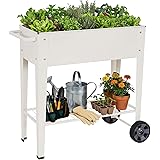
BIRDSINYARD Elevated 32" Tall Raised Garden Bed with Legs and Wheels for Mobility, Metal Planter Boxes Outdoor with Shelf, Raised Bed for Gardening Vegetables/Herbs, Backyard, Patio, Balcony, White
$54.99 (as of 08:19 GMT -05:00 - More infoProduct prices and availability are accurate as of the date/time indicated and are subject to change. Any price and availability information displayed on [relevant Amazon Site(s), as applicable] at the time of purchase will apply to the purchase of this product.)
Now retrieving an image set.
Land Guard 8ft Galvanized Raised Garden Bed Kit, Raised Garden Boxes Outdoor, Oval Metal Raised Garden Beds for Vegetables, Silver,108 Gallon Capacity(with 10 Connecting rods)
$39.99 (as of 12:59 GMT -05:00 - More infoProduct prices and availability are accurate as of the date/time indicated and are subject to change. Any price and availability information displayed on [relevant Amazon Site(s), as applicable] at the time of purchase will apply to the purchase of this product.)- 1. Composting Organic Waste
- 2. Planting Cover Crops
- 3. Mulching for Soil Health
- 4. Vermicomposting (Worm Compost)
- 5. Using Organic Fertilizers
- 6. Incorporating Biochar
- 7. Practicing Crop Rotation
- 8. Regular Soil Testing and Amendments
- 9. Reducing Chemical Inputs
- 10. Incorporating Native Plants and Microbes
1. Composting Organic Waste
The Power of Composting
One of the most effective natural ways to enrich garden soil in 2025 is composting organic waste. By converting food scraps, yard trimmings, and other biodegradable materials into rich humus, you create a powerhouse soil amendment that improves fertility and structure. Compost introduces essential nutrients and beneficial microbes that boost soil vitality naturally.
Research shows that well-composted soil can increase plant growth rates by up to 20%, making it a practical choice for gardeners dedicated to eco-friendly practices. Plus, composting reduces landfill waste and greenhouse gases, aligning with sustainability goals in 2025.
If you haven’t started composting yet, consider setting up a simple bin or tumbler at home. Regular layering of greens (nitrogen-rich) and browns (carbon-rich) ensures a fast, balanced decomposition process. Over time, youâll have nutrient-dense compost to enrich your garden soil naturally.
Practical Composting Tips
To maximize benefits, turn your compost weekly to aerate it and speed up decomposition. Keep the pile moist but not soggy, and avoid adding diseased plants or invasive weeds. Using compost teaâliquid extracted from compostâcan give your plants an immediate nutrient boost.
In 2025, many gardeners now prefer backyard composters with eco-friendly designs that compost faster and produce less odor. Composting not only improves soil health but empowers you as a gardener to control chemical inputs completely organically.
2. Planting Cover Crops
Benefits of Cover Crops
Another natural way to enrich garden soil in 2025 is planting cover crops such as clover, vetch, or rye. Cover crops improve soil fertility by fixing atmospheric nitrogen and preventing erosion. They also add organic matter when turned into the soil, enhancing its structure and microbial activity.
For example, clover is renowned for its nitrogen-fixing capabilities, which can supply your garden with up to 100 lbs of nitrogen per acre annually. Cover cropping is an environmentally friendly alternative to synthetic fertilizers and a key strategy in sustainable gardening.
Planting cover crops in fall allows them to establish before winter, ensuring your soil remains healthy and productive year-round. In spring, simply mow or till these plants into the soil to kickstart enrichment processes naturally.
Implementation Strategies
Choose cover crops suited to your climate and soil needs. For small gardens, mix in legumes with grasses for added benefits. Rotating cover crops annually prevents disease buildup and maintains soil diversity.
Research in 2025 indicates that gardens practicing cover cropping have seen soil organic carbon levels increase by 15% over five years. This natural approach boosts long-term garden productivity and resilience against pests and droughts.
3. Mulching for Soil Health
Types of Mulch and Their Benefits
Mulching is a simple yet powerful method to naturally enhance your garden soil. Using organic mulches like straw, wood chips, or leaf mold protects the soil surface, conserves moisture, and prevents weeds. Over time, mulch decomposes and adds organic matter, enriching the soil naturally.
In 2025, mulching has gained popularity for its ability to reduce irrigation needs by up to 50% and improve soil temperature regulation. Additionally, mulch promotes beneficial microbial activity, leading to healthier, more fertile soil.
Apply a 2-3 inch layer of mulch around your plants, ensuring it doesnât touch the stems to prevent rot. Replenish as needed throughout the growing season for sustained soil benefits.
Environmental and Practical Advantages
Mulching also reduces soil erosion, maintains pH balance, and limits soil compaction. Gardeners often report visibly improved soil texture and increased earthworm activity in mulched beds. This natural method is particularly effective for vegetable gardens and flower beds.
In 2025, choosing locally sourced organic mulches supports sustainable practices and reduces carbon footprint, aligning with earth-friendly gardening goals.
4. Vermicomposting (Worm Compost)
How Vermicomposting Works
Worm composting, or vermicomposting, involves using earthwormsâmainly red wigglersâto transform organic waste into nutrient-rich castings. This practice is considered one of the best natural ways to enrich garden soil, especially for small to medium-sized gardens.
Vermicompost is packed with essential nutrients, beneficial microbes, and enzymes that are easy for plants to absorb. In 2025, itâs recognized as an eco-friendly and highly effective alternative to chemical fertilizers.
Setting up a worm bin at home is simple. Usually, a plastic or wooden container with bedding and food scraps is all you need. Worms can process organic waste rapidly, often in less than three months.
Advantages of Vermicomposting
The castings produced enhance soil aeration, water retention, and microbial diversity. Gardeners report that plants grown with worm castings are more vigorous and resistant to pests.
A recent survey in 2025 shows that using vermicompost can increase crop yields by up to 25%, proving its significant role in the natural ways to enrich garden soil.
5. Using Organic Fertilizers
Choosing and Applying Organic Fertilizers
In 2025, organic fertilizersâsuch as compost tea, fish emulsion, and seaweed extractsâare popular options for enriching soil naturally. These products provide essential nutrients without synthetic chemicals, supporting soil microbiome health.
Applying organic fertilizers periodically ensures your garden soil remains nutrient-dense and promotes healthy plant growth. For example, foliar feeds with liquid organic fertilizers are quick to influence plant vigor and resilience.
Always follow application instructions, and avoid over-fertilizing, which can disrupt soil microbial balance. Using composted organic matter as a fertilizer base is also a reliable method for natural soil enrichment.
Effective Organic Fertilizer Practices
Incorporate organic fertilizers into your soil at planting and during the growing season. Cover crops and crop residues can also be supplemented with organic feeds for continuous soil nourishment.
Recent trends suggest that organic fertilization leads to improved soil organic matter content by an average of 12% over three years, underlining its importance in sustainable gardening in 2025.
6. Incorporating Biochar
What Is Biochar and How It Enriches Soil
Biochar is a type of charcoal produced from organic waste via pyrolysis. Itâs highly porous, provides habitat for microbes, and enhances nutrient retention in soils. In 2025, biochar has become a vital natural way to improve soil resilience and fertility.
Addition of biochar to garden soil can increase cation exchange capacity, meaning it holds onto nutrients more effectively. This results in healthier plants and less fertilizer runoff.
Mix biochar with compost before applying it to your beds, ensuring it activates microbial populations and provides lasting benefits.
Get a free subscription to PREPARE – with more gardening and homesteading tips!
Application Tips and Benefits
Use approximately 10% biochar by volume in your soil mix. Itâs especially helpful in degraded or sandy soils that need better nutrient retention.
Research indicates that biochar application can increase crop yields by up to 30%, making it an invaluable addition to natural soil enrichment strategies in 2025.
7. Practicing Crop Rotation
Why Crop Rotation Enriches Soil
Crop rotation is a traditional yet highly effective natural way to enrich garden soil without chemicals. By alternating different plant families each season, you prevent soil depletion and reduce pest and disease buildup.
For instance, rotating tomatoes with legumes like beans naturally adds nitrogen to the soil, reducing the need for synthetic fertilizers. In 2025, more gardeners are embracing crop rotation as part of integrated soil health practices.
Keeping detailed records helps plan effective rotations, ensuring your soil remains productive over many years.
Best Practices for Crop Rotation
Divide your garden into sections and plan rotations that include root crops, legumes, and leafy greens. Avoid planting the same crop in the same spot two years in a row.
Studies in 2025 show that crop rotation can sustain soil organic matter levels and microbial diversity, vital for a thriving garden ecosystem.
8. Regular Soil Testing and Amendments
Why Soil Testing Matters
Understanding your soilâs current health is essential to applying the right natural ways to enrich garden soil effectively. Regular testing helps identify deficiencies or imbalances, allowing precision in amendments.
In 2025, soil testing services are more accessible and affordable, empowering gardeners to make informed decisions. Testing results guide whether to add organic matter, adjust pH, or enhance specific nutrient levels.
Using home testing kits or professional labs, conduct tests at least once per year to track changes and improve your soil management strategies.
Making Effective Amendments
Based on testing, amend your soil by adding compost, organic fertilizers, or lime to adjust pH. Tailoring your approach ensures maximum plant growth and soil health.
Regular monitoring and adjustments help maintain a balanced, nutrient-rich environment in line with sustainable practices in 2025.
9. Reducing Chemical Inputs
Benefits of Going Organic
In 2025, the shift towards reducing chemical inputs is more prominent among environmentally conscious gardeners. Organic methods preserve beneficial soil microbes, reduce pollution, and foster long-term soil health.
Employ natural pest control, organic fertilizers, and mechanical weed removal to minimize reliance on synthetic chemicals. These practices support thriving microbial communities that naturally suppress pests and diseases.
Many studies indicate that gardens relying less on chemicals show higher levels of soil organic matter and microbial activity after just a few growing seasons.
Strategies for Reduction
Start by replacing chemical fertilizers with compost and organic feeds. Use physical barriers or companion planting to deter pests.
Gradually phase out pesticides, opting instead for biological controls or organic sprays. Over time, your soil will become more resilient and balanced naturally.
10. Incorporating Native Plants and Microbes
Enhancing Soil with Native Species
Native plants adapt naturally to local soil and climate conditions, requiring less fertilizer and water. They also promote indigenous microbial communities that naturally enrich the soil.
Planting native species such as wildflowers, grasses, or shrubs can create a symbiotic relationship with soil microbes, leading to healthier, more resilient soil ecosystems. In 2025, this approach is recognized as a cornerstone of sustainable gardening.
Additionally, introducing mycorrhizal fungi tailored to native plants enhances nutrient exchange and overall soil fertility.
Supporting Microbial Diversity
Soil inoculants containing beneficial microbes are easy to apply and significantly boost natural soil nutrients. By fostering native microbial populations, you create a self-sustaining environment that continually enriches the soil.
Engaging with local nurseries or ecological organizations helps identify the best native plants and microbial solutions for your garden, ensuring optimal enrichment naturally.
Conclusion
Embracing the best practices outlined here, from compostingâconsidered one of the most effective natural ways to enrich garden soilâto planting cover crops and reducing chemical use, empowers gardeners to create vibrant and sustainable gardens in 2025. Each of these methods works synergistically to improve soil health, support biodiversity, and promote productive, healthy plants. Remember, the health of your soil directly impacts the vitality of your entire garden. By applying these natural strategies, you ensure a fertile, resilient, and thriving garden for years to come.
Frequently Asked Questions
1. What are the best natural ways to enrich garden soil?
Some of the top natural ways include composting organic waste, planting cover crops, mulching, adding organic fertilizers, and incorporating biochar. These methods improve soil structure, fertility, and microbial health sustainably.
2. How often should I test my garden soil?
Itâs recommended to test your soil at least once a year, preferably in early spring or fall, to monitor nutrient levels and pH. Regular testing helps tailor natural amendments for optimal soil health.
3. Can organic fertilizers replace chemical ones entirely?
Yes, organic fertilizers like compost tea, fish emulsion, and manure can adequately nourish plants and improve soil health without synthetic chemicals, especially when combined with other natural practices.
4. What is the role of native plants in enriching garden soil?
Native plants support indigenous microbes and are adapted to local conditions, which naturally enriches the soil, reduces maintenance, and fosters a resilient garden ecosystem.
5. How does crop rotation improve soil health?
Crop rotation prevents nutrient depletion, reduces pest and disease buildup, and maintains organic matter and microbial diversity in the soilâkey components of natural soil enrichment in 2025.