Now retrieving an image set.
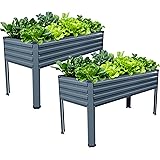
Vengarus Galvanized Raised Garden Bed Outdoor with Legs,48×18×30in Metal Elevated Raised Planter Box for Backyard, Patio, Balcony, 300lb Capacity,Grey(2PCS)
$79.99 (as of 08:24 GMT -05:00 - More infoProduct prices and availability are accurate as of the date/time indicated and are subject to change. Any price and availability information displayed on [relevant Amazon Site(s), as applicable] at the time of purchase will apply to the purchase of this product.)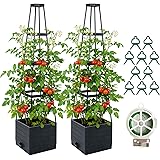
Now retrieving an image set.
2 Pack Raised Garden Bed Planter Box with Trellis, 57'' Self Watering Tomato Planters for Climbing Plants, Tomato Cage Trellis for Vegetables & Vine Flowers Indoor Outdoor Patio
$29.99 (as of 08:24 GMT -05:00 - More infoProduct prices and availability are accurate as of the date/time indicated and are subject to change. Any price and availability information displayed on [relevant Amazon Site(s), as applicable] at the time of purchase will apply to the purchase of this product.)Table of Contents
- 1. Mulching
- 2. Manual Weed Removal
- 3. Boiling Water Treatment
- 4. Vinegar-Based Solutions
- 5. Cover Crops and Green Manure
- 6. Solarization Technique
- 7. Corn Gluten Meal
- 8. Smothering with Cardboard or Newspapers
- 9. Maintaining Healthy Lawn and Garden Practices
- 10. Biological Control Methods
1. Mulching
What is Mulching and How Does It Work?
Mulching involves covering the soil with organic or inorganic materials to suppress weed growth naturally. In 2025, mulching remains one of the most effective natural weed control methods, especially in vegetable gardens and flower beds. By blocking sunlight, mulch prevents weed seeds from germinating and reduces competition for nutrients and water.
Organic mulches like straw, wood chips, bark, or leaves break down over time, enriching the soil with organic matter. In contrast, inorganic options such as landscape fabric or rubber mulch provide long-lasting weed suppression but may not improve soil health.
Using mulch not only controls weeds but also retains soil moisture, moderates soil temperature, and enhances garden aesthetics. For best results, apply a 2-3 inch layer of mulch directly over prepared soil, taking care to keep mulch a few inches away from plant stems to prevent rot.
Practical Tips for Mulching Effectively
Choose your mulch based on your garden type and personal preference. Organic mulches are excellent for vegetable plots, while inorganic options suit ornamental landscapes. Before applying mulch, weed the area thoroughly to prevent existing weeds from spreading.
Renew mulch annually or as needed to maintain its effectiveness. For organic mulches, monitor decomposition and replenish to ensure continuous weed suppression. Mulching is particularly beneficial in drought-prone areas, as it conserves moisture and reduces watering frequency.
In 2025, integrating mulching as part of your natural weed control methods significantly reduces reliance on chemical herbicides and is environmentally friendly. Mulch also supports beneficial soil microbes, promoting a healthy garden ecosystem.
2. Manual Weed Removal
Why Manual Removal Is a Time-Honored Technique
Manual weed removal involves physically pulling weeds from the soil, a simple yet highly effective natural weed control methods that gardenerâs have been using for generations. In 2025, advances in ergonomic tools make this task less labor-intensive, allowing for quicker and more efficient weed management.
Regularly inspecting your garden for young weed seedlings and removing them by hand prevents weeds from establishing deep root systems, making future control easier. Plus, manual removal minimizes soil disturbance and avoids chemical residues, making it eco-friendly.
For larger weeds with deep roots, using tools like weed pullers or hoes can make the process easier and more effective. Ensuring you remove the entire root system discourages regrowth, especially with persistent weeds like bindweed or dandelions.
Best Practices for Manual Weed Control
Work when the soil is moist, such as after a rain, for easier weed removal and less soil compaction. Wear gloves to protect hands and use sharp tools for clean pull-outs. Consistency is key: spend a few minutes weekly to catch weeds early before they set seed.
Dispose of weeds properlyâdo not compost invasive weed seedsâso they don’t reintroduce problems. Consider mulching or smothering weeds post-removal for added control.
Manual weed removal is a cost-effective, chemical-free method that, when combined with other natural weed control methods, creates a robust integrated weed management plan for 2025.
3. Boiling Water Treatment
The Simplicity and Effectiveness of Hot Water
Pouring boiling water directly onto stubborn weeds is one of the simplest natural weed control methods and is especially useful for weeds growing in cracks or along pavements. In 2025, this method remains popular because itâs chemical-free, fast, and environmentally friendly.
The high temperature denatures plant proteins, effectively killing the weed and its roots. It works best on young, small weeds, but can also be used to treat larger invasive plants with multiple applications.
Safety precautions are important: avoid splashing boiling water onto desirable plants or soil microorganisms. Use a kettle or a pourable container to direct hot water accurately onto weed leaves and bases.
Actionable Tips for Using Boiling Water
Apply boiling water during dry, sunny days for better absorption and weed control effectiveness. Reapply as necessary, especially for perennial weeds with deep roots. Consider combining this method with manual removal to maximize results.
This method is ideal for pathways, driveways, and cracks in patios, but it can also be used along fences and borders. Itâs a fast, inexpensive option that complements other natural weed control methods perfectly in 2025.
Always exercise caution to prevent accidental burns or scalds, and keep children and pets away from treated areas until cooled.
4. Vinegar-Based Solutions
Using Vinegar as a Natural Herbicide
Vinegar, particularly horticultural or food-grade vinegar with high acetic acid concentration, is a popular natural weed control methods. In 2025, vinegar solutions are increasingly favored by organic gardeners for their effectiveness against broadleaf weeds and seedlings.
Mixing vinegar with water, and sometimes adding a small amount of dish soap, enhances its ability to stick to weeds and penetrate their leaves. The acidity burns the plants, effectively killing or weakening them.
This method works best on young, non-perennial weeds, and repeated treatments may be necessary for persistent weeds.
Application Tips and Precautions
Apply vinegar during dry, sunny periods to maximize desiccation. Use a spray bottle or direct pouring for targeted application. Avoid spraying on desirable plants, as vinegar is non-selective and can harm beneficial vegetation.
To increase effectiveness, some gardeners use a mixture of vinegar and salt, but be cautious: salt can contaminate soil and affect future plant growth if overused. Always dilute vinegar properly and test on a small area first.
In 2025, vinegar remains an accessible and sustainable tool for controlling weeds naturally, fitting well into organic and eco-friendly gardening practices.
5. Cover Crops and Green Manure
Suppressing Weeds with Cover Crops
Planting cover crops such as clover, vetch, or rye is an excellent natural weed control method. They establish dense root and shoot systems that outcompete weeds for sunlight, nutrients, and space. In 2025, cover cropping is gaining popularity due to its environmental benefits and weed suppression capabilities.
Cover crops also improve soil fertility by fixing nitrogen or adding organic matter when incorporated as green manure. They can be sown during off-season times to prepare your garden beds for planting, effectively reducing weed seed germination.
Choose cover crops suited to your local climate and soil conditions, and manage them through mowing or incorporation before they seed to prevent unwanted spread.
Implementing Cover Crops Effectively
For optimal weed control, sow cover crops densely, ensuring minimal gaps for weeds to establish. Use quality seeds and follow recommended planting times. Once established, they create a natural weed barrier, reducing reliance on physical or chemical methods.
Incorporate green manure into the soil at the right growth stage to maximize organic matter addition and suppress weeds simultaneously. This integrated approach aligns perfectly with sustainable farming principles and natural weed control methods in 2025.
Remember to rotate cover crops annually to prevent pests and diseases and to maintain soil health.
6. Solarization Technique
Harnessing the Sun to Kill Weeds
Solarization involves covering moist soil with clear plastic tarps during hot sunny days to trap heat and kill weeds, weed seeds, and soil-borne pathogens. This method is especially effective in sunnier climates and in areas needing a thorough weed eradication plan in 2025.
Get a free subscription to PREPARE – with more gardening and homesteading tips!
The intense heat generated under the plastic can raise soil temperatures to over 140°F (60°C), lethal for many weed species and their seeds. Itâs a chemical-free method that enhances natural weed control practices significantly.
Timing is essential: typically, solarization works best in mid to late summer, when the sun’s intensity is at its peak.
How to Solarize Your Garden
Clear weeds from the soil surface and water the area thoroughly before covering with transparent plastic. Secure the edges to trap heat effectively and leave the tarp in place for 4-6 weeks, checking periodically for weed death.
This method also improves soil health and pest control, making it a popular choice for organic gardeners looking to incorporate natural weed control methods into their 2025 garden plans. Post-solarization, remove the plastic and plant directly into the revitalized soil.
Use UV-resistant plastic for durability, and consider mulching afterward to maintain weed suppression.
7. Corn Gluten Meal
Natural Pre-Emergent Weed Control
Corn gluten meal is a byproduct of corn processing and acts as a natural pre-emergent herbicide, making it a powerful tool in natural weed control methods. In 2025, many organic farmers and landscapers use it to prevent weed seeds from sprouting.
Applied at recommended rates, it forms a barrier that inhibits the development of weed seedlings, particularly annual grasses and broadleaf weeds. Its primary benefit is weed prevention rather than eradication of established weeds.
Additionally, corn gluten meal acts as an organic fertilizer, providing nitrogen to your soil.”
Application Tips for Maximum Effectiveness
Apply corn gluten meal in early spring or fall, before weed seeds begin to germinate. Water it into the soil to activate its weed-preventing properties. Reapply every 4-6 weeks during peak weed seed germination periods.
Use around garden beds, lawns, and vegetable patches, avoiding transplanting seedlings immediately after application. Combining cornt gluten meal with other natural weed control methods creates a comprehensive, eco-friendly weed management plan for 2025.
Note: Avoid applying before heavy rain to prevent runoff. Always follow product instructions for best results.
8. Smothering with Cardboard or Newspapers
How to Block Weeds Effectively
Using layers of cardboard or thick newspapers is a straightforward and inexpensive natural weed control methods. It physically blocks sunlight from reaching weed seeds and plants, depriving them of the energy needed to grow.
This method is particularly effective for clearing garden beds before planting or as a weed barrier around established plants. Over time, the cardboard and newspapers decompose, enriching the soil naturally.
In 2025, this technique remains popular because it is simple, chemical-free, and supports composting efforts.
Implementation Guide
Start by removing existing weeds and laying down dampened cardboard or layered newspapers over the target area. Cover with mulch or soil to hold everything in place and speed up decomposition. Ensure edges are overlapped to prevent weeds from slipping through gaps.
This method works well for vegetable gardens, flower beds, and pathways. It minimizes maintenance and weedsâ ability to penetrate the barrier.
For best results, reapply or reinforce layers annually or as needed, especially in high-weed areas.
9. Maintaining Healthy Lawn and Garden Practices
Bringing Balance to Prevent Weeds Naturally
A dense, healthy lawn or garden is your best defense against invasive weeds. Proper lawn management includes mowing at the correct height, watering deeply but infrequently, and fertilizing appropriately. These practices make conditions less favorable for weeds, thereby supporting the effectiveness of natural weed control methods in 2025.
Incorporating organic compost and soil amendments promotes robust plant growth, which naturally crowds out weeds. Regular aeration and overseeding help maintain dense grass or groundcover that suppresses weed germination.
Consider integrated pest management routines that involve natural predators and encourage beneficial insects to keep weed seeds and pests in check.
Pro Tips for Garden Resilience
- Avoid over-fertilizing, which can promote weed growth.
- Practice crop rotation to prevent soil-borne weed problems.
- Use proper planting techniques to establish vigorous, resilient plants.
By actively maintaining a healthy garden ecosystem, you enhance the success of your natural weed control methods and reduce weed pressure organically in 2025.
10. Biological Control Methods
Using Natureâs Allies Against Weeds
Biological weed control involves introducing natural enemies like insects, fungi, or animals that specifically target weed species. This eco-friendly approach is gaining traction in 2025 as part of sustainable weed management strategies.
For example, certain beetles or fungi can be used to control invasive weeds like hydrilla or milfoil. These methods reduce the need for manual labor or chemicals and promote biodiversity.
Research and field-testing continue to expand options for biological control, making it a viable component of integrated weed control systems.
Implementing Biological Control Effectively
Consult with local agricultural extensions or ecological specialists before introducing biological agents to ensure they are appropriate and safe for your environment. Proper timing and targeting are crucial for success. Biological agents are most effective when weeds are actively growing.
This method complements other natural weed control methods, like mulching or cover cropping, to create a comprehensive, eco-friendly weed management plan for 2025.
Regular monitoring and adjusting are necessary to maintain the balance and prevent unintended impacts on non-target species.
Frequently Asked Questions
Q1: What are the best natural weed control methods for 2025?
The most effective natural weed control methods for 2025 include mulching, manual removal, vinegar solutions, cover crops, solarization, and biological control. Combining these approaches provides a comprehensive, eco-friendly weed management strategy.
Q2: How does natural weed control compare to chemical herbicides?
Natural weed control methods are environmentally sustainable, safe for beneficial insects, and improve soil health. Chemical herbicides can be effective but often come with environmental and health risks, making natural alternatives preferable for eco-conscious gardeners.
Q3: Can vinegar truly replace herbicides?
Vinegar-based solutions are effective for spot-treating young weeds and seedlings but are non-selective and can harm desirable plants. They work best as part of an integrated weed management system rather than a total replacement for herbicides.
Q4: How can I prevent weeds naturally in 2025?
Prevention strategies include maintaining healthy, dense lawns or gardens, using mulch or cover crops, and practicing crop rotation. Regular manual removal and proactive methods like solarization also help prevent weed establishment naturally.
Conclusion
In 2025, embracing the best natural weed control methods is more important than ever for sustainable gardening and eco-friendly landscapes. From mulching and manual removal to innovative techniques like solarization and biological control, these methods help manage weeds effectively without harmful chemicals. Incorporating these strategies into your gardening routine not only keeps your garden healthy and productive but also supports environmental health. Remember, the key to successful weed management is consistency, patience, and using the right combination of natural weed control methods tailored to your specific needs.
Get a free subscription to PREPARE – with more gardening and homesteading tips!
Related Content
- Horse Talk: What’s with all this heat?
- Pumpkin Composting – Vernon Hills Park District – Sullivan Community Center – Patch
- Ultimate Guide to Soil Testing for Gardens in 2025: Boost Your Plant Health
- Want to garden more productively this year? Make composting your resolution | Gardening
- Rapidly Reducing Methane Emissions to Halt Climate Change – Earth911