Now retrieving an image set.
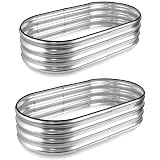
JERIA Raised Garden Bed,Galvanized Raised 2 Pcs 4×2×1ft Planter Boxes Outdoor with Easy Assembly, Large Garden Bed for Vegetables, Fruits, Flower
$49.99 (as of 12:59 GMT -05:00 - More infoProduct prices and availability are accurate as of the date/time indicated and are subject to change. Any price and availability information displayed on [relevant Amazon Site(s), as applicable] at the time of purchase will apply to the purchase of this product.)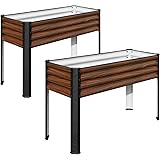
Now retrieving an image set.
SnugNiture Raised Garden Bed with Legs, 2PCS 48×18×32in Outdoor Metal Elevated Raised Planter Box for Backyard, Patio, Balcony
$109.99 (as of 08:19 GMT -05:00 - More infoProduct prices and availability are accurate as of the date/time indicated and are subject to change. Any price and availability information displayed on [relevant Amazon Site(s), as applicable] at the time of purchase will apply to the purchase of this product.)- 1. Composting with Natural Ingredients
- 2. Organic Pest Control Methods
- 3. Using Non-Toxic Fertilizers
- 4. Planting Companion Vegetables
- 5. Choosing Safe Mulching Materials
- 6. Introducing Beneficial Insects
- 7. Creating Natural Disease Barriers
- 8. Water Conservation & Safe Irrigation
- 9. Cultivating Native Plants
- 10. Eco-Friendly Garden Tools & Storage
1. Composting with Natural Ingredients
The Benefits of Composting Naturally
Composting is a cornerstone of non-toxic gardening solutions because it transforms kitchen scraps and yard waste into nutrient-rich soil. By composting with natural ingredients, you eliminate the need for chemical fertilizers or synthetic amendments that can harm beneficial soil life and contaminate groundwater. Plus, composting reduces waste sent to landfills, making your garden more sustainable in 2025.
Using organic compost supports the growth of healthy plants while avoiding pesticides and synthetic additives. Natural composting also enhances soil structure, improves water retention, and promotes beneficial microbial activityâall crucial for a thriving garden free from toxic substances.
To get started, gather vegetable peels, coffee grounds, eggshells, grass clippings, and leaves. Maintain the compost pile in a shaded area, turning it regularly to aerate and speed up decomposition. Remember, avoiding meat, dairy, and oily foods in your compost prevents unpleasant odors and pestsâkeeping your garden safe and non-toxic.
Practical composting tips for 2025
- Balance greens (nitrogen-rich materials) and browns (carbon-rich materials) for optimal decomposition.
- Cover your compost to prevent leaching and pest intrusion.
- Use compost tea as a natural fertilizer for your plants.
2. Organic Pest Control Methods
Harnessing Nature to Manage Pests
Switching to organic pest control is a key non-toxic gardening solution in 2025âs eco-conscious landscape. Instead of relying on chemical pesticides, consider methods like introducing natural predators such as ladybugs, lacewings, or predatory nematodes. These beneficial insects naturally keep pest populations in check without harming your garden environment.
Another effective practice is using homemade insecticidal soaps made from everyday ingredients like castile soap and neem oil. These solutions are safe for most plants and beneficial insects when used appropriately. Applying them early and regularly prevents infestations from escalating.
Crop rotation and physical barriers, such as row covers and sticky traps, minimize pest presence without chemicals. Regular monitoring helps you catch issues early, allowing for targeted, non-toxic interventions that sustain a healthy, vibrant garden in 2025.
Data supports organic pest control trends
Research indicates that organic pest methods can reduce pest populations by up to 70% compared to chemical methods, all while preserving biodiversity. Implementing integrated pest management (IPM) strategies is a proven approach to maintaining pest balance naturally.
3. Using Non-Toxic Fertilizers
Organic Alternatives to Chemical Fertilizers
In 2025, non-toxic gardening solutions include switching to organic fertilizers such as bone meal, fish emulsion, seaweed extract, and composted manure. These provide essential nutrients without the hazards associated with synthetic fertilizers, which can contaminate waterways and harm soil microbiomes.
Applying organic fertilizers enriches the soil gradually, promoting healthy root systems and vigorous plant growth. They are also safer for pets and children, making your garden a safer space overall. Remember, over-fertilization can lead to nutrient runoff, so apply these amendments carefully and follow recommended doses.
Tip: Combine organic fertilizers with compost to maximize nutrient content and soil health, creating a truly non-toxic gardening environment in your backyard.
Driving sustainability with eco-friendly fertilizers
Using non-toxic fertilizers aligns with the broader trend toward sustainable gardening, conserving resources and reducing pollution. In 2025, more growers are opting for slow-release options that feed plants over time, minimizing runoff and excess buildup.
4. Planting Companion Vegetables
Natural Pest Management & Soil Improvement
Companion planting is a fantastic non-toxic gardening solution thatâs gaining popularity in 2025. By planting certain vegetables near each other, you can naturally deter pests, improve soil health, and boost crop yields without chemicals.
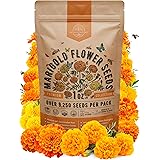
For example, planting basil near tomatoes can repel aphids, while marigolds help deter nematodes. Beans fix nitrogen in the soil, benefiting neighboring plants, while carrots and onions can repel each other’s pests. This natural synergy reduces the need for pesticide applications, making your garden safer and more sustainable.
Start planning your garden layout with companion planting charts to optimize plant benefits. Itâs a simple, effective, and delightful way to embrace non-toxic gardening solutions.
Maximize your garden productivity
- Research compatible plant pairings suited for your climate.
- Rotate crops annually to prevent pest buildup and soil depletion.
- Use organic mulches to support soil moisture and suppress weeds.
5. Choosing Safe Mulching Materials
Eco-Friendly Mulches for a Toxic-Free Garden
Mulch plays a vital role in water retention, weed suppression, and soil health. In 2025, the focus is on natural, non-toxic mulching materials such as straw, bark, wood chips, or composted leaves. These materials decompose slowly and enrich the soil with organic matter.
Avoid colourful or chemically-treated mulches, which can leach toxins into your plant beds. Using organic mulches also discourages the use of synthetic herbicides to control weeds, further supporting non-toxic gardening solutions.
Apply a 2-3 inch layer of mulch around plants, keeping it a few inches away from stems to prevent rot. This simple step creates a safer environment for your plants, beneficial insects, and ultimately your family.
Practical mulching tips for 2025
- Use locally sourced, organic mulches to reduce carbon footprint.
- Replenish mulch layers annually to maintain benefits.
- Compost and recycle garden debris as mulch to close the loop naturally.
6. Introducing Beneficial Insects
The Power of Natureâs Pest Controllers
Introducing beneficial insects is an effective non-toxic gardening solution in 2025. Predators like ladybugs, nematodes, and parasitic wasps naturally control pest populations while enhancing ecosystem balance.
Releasing these helpful bugs during peak pest seasons keeps pest numbers in check without harmful chemicals. They work quietly and continuously, reducing the need for chemical interventions that can harm your plants and the environment.
Get a free subscription to PREPARE – with more gardening and homesteading tips!
When introducing beneficial insects, itâs essential to provide favorable habitats like flowering plants to sustain them. Research suggests that integrating beneficial insects can decrease pest damage by over 60% in organic gardens, making it a must-have strategy for eco-friendly gardeners in 2025.
How to attract beneficial insects naturally
- Plant diverse, nectar-rich flowers like cosmos and dill.
- Avoid broad-spectrum insecticides that can harm beneficial bugs.
- Maintain a natural, pesticide-free environment to encourage their presence.
7. Creating Natural Disease Barriers
Healthy Plants through Natural Prevention
Preventing plant diseases without chemicals is central to non-toxic gardening solutions. In 2025, focus on proper plant spacing, crop rotation, and selecting resistant varieties to minimize disease outbreaks naturally.
Using organic fungicides like copper solutions or neem oil can help manage existing issues while keeping the environment safe. Regularly inspecting plants for early signs of disease allows prompt, non-toxic responses that prevent spreading.
Applying organic mulch can also prevent soil-borne pathogens and promote airflow, reducing humidity that fosters fungal growth. A proactive, natural approach keeps your plants healthy and safe from harmful chemicals.
Key tips for disease prevention in 2025
- Rotate crops annually to break disease cycles.
- Maintain good garden hygiene by removing infected debris.
- Use resistant plant varieties whenever possible.
8. Water Conservation & Safe Irrigation
Eco-Friendly Watering Practices
Water is vital for a thriving garden, but overuse can lead to environmental issues. In 2025, adopting water-saving irrigation methods aligns with non-toxic gardening solutions. Drip irrigation and soaker hoses deliver water directly to roots, reducing evaporation and runoff.
Collecting rainwater in barrels provides a free, chemical-free water source that minimizes dependence on tap water. Mulching also helps retain soil moisture, decreasing watering frequency.
Smart watering schedules based on weather conditions ensure plants get precisely what they need and prevent overwatering. These eco-friendly practices not only conserve resources but also protect your garden ecosystem from potential chemical contamination.
Actionable water-saving tips
- Install rain sensors to automate watering schedules.
- Water early morning or late evening to reduce evaporation.
- Use water-efficient tools and techniques regularly.
9. Cultivating Native Plants
Supporting Local Ecosystems Naturally
In 2025, native plants are a key component of non-toxic gardening solutions because they require fewer chemicals, water, and maintenance. They are adapted to local pests and soil conditions, naturally reducing the need for pesticides and fertilizers.
Growing native species like coneflowers, milkweed, or prairie grasses enhances local biodiversity. They provide habitats for beneficial insects and birds, creating a balanced garden ecosystem.
Choosing native plants also means less risk of foreign pests or diseases, keeping your garden safer and more sustainable in the long run. Incorporate native plants into your landscape for a resilient, toxin-free garden environment.
Implementation tips for native gardening
- Consult your local extension or native plant society for recommendations.
- Use organic soil amendments to support native plant growth.
- Create a habitat border with native shrubs and flowers to attract beneficial insects.
10. Eco-Friendly Garden Tools & Storage
Choosing Safer Tools for Your Garden
The last piece of non-toxic gardening solutions involves using eco-friendly tools made from sustainable materials like bamboo, recycled metals, or biodegradable plastics. These tools minimize chemical exposure and environmental impact.
Avoid tools coated with harmful paints or chemicals, and opt for hand tools over powered equipment, which uses less energy and produces fewer emissions. Proper storage, such as natural fiber storage bins, prevents rust and preserves tool longevity without introducing toxic substances.
Investing in ergonomic, durable, and chemical-free tools not only enhances your gardening experience but also aligns with a commitment to a non-toxic, environmentally friendly garden in 2025.
Tips for maintaining eco-friendly tools
- Clean tools regularly with natural solutions like vinegar or baking soda.
- Sharpen blades with manual sharpening stones instead of chemical wet grinders.
- Store tools in dry, natural fiber containers to extend their lifespan.
Conclusion
In closing, embracing these 10 effective non-toxic gardening solutions in 2025 will help you cultivate a safe, vibrant, and eco-friendly garden. From composting with natural ingredients to choosing native plants and using organic pest controls, every step contributes to a healthier environment and a more productive garden. Remember, the key to sustainable gardening is consistency and respect for nature’s processes. Incorporate these strategies today and enjoy a thriving garden free from harmful chemicals, ensuring beauty and safety for years to come.
FAQs
1. What are the best non-toxic gardening solutions for pest control?
Beneficial insects, organic insecticidal soaps, companion planting, and physical barriers are all effective non-toxic solutions that naturally manage pests without chemicals.
2. How can I make my garden chemical-free in 2025?
Focus on using organic fertilizers, non-toxic pest controls, native plants, composting naturally, and avoiding synthetic chemicals. Adopting water-efficient practices and eco-friendly tools also support a chemical-free environment.
3. Why is composting important for non-toxic gardening?
Composting creates nutrient-rich soil organically, reducing the need for chemical fertilizers and improving soil health. It also helps recycle waste sustainably, making your garden more eco-friendly in 2025.
4. How do non-toxic gardening solutions benefit my garden?
They promote biodiversity, reduce environmental pollution, protect beneficial insects and wildlife, and create a safer environment for your family and pets. Plus, healthy plants are better protected against pests and diseases naturally.
<!– IMAGE PLACEHOLDER:  –>
–>
<!– IMAGE PLACEHOLDER:  –>
–>