Now retrieving an image set.
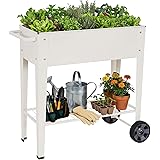
BIRDSINYARD Elevated 32" Tall Raised Garden Bed with Legs and Wheels for Mobility, Metal Planter Boxes Outdoor with Shelf, Raised Bed for Gardening Vegetables/Herbs, Backyard, Patio, Balcony, White
$54.99 (as of 08:19 GMT -05:00 - More infoProduct prices and availability are accurate as of the date/time indicated and are subject to change. Any price and availability information displayed on [relevant Amazon Site(s), as applicable] at the time of purchase will apply to the purchase of this product.)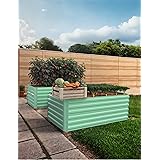
Now retrieving an image set.
CABIHOME 2 Pcs 6x3x2 Ft Galvanized Raised Garden Bed, Deep Root Planter Box for Vegetables, Flowers, Herbs- Large Metal Raised Garden Bed Kit for Outdoor Use, Green
$126.87 (as of 08:19 GMT -05:00 - More infoProduct prices and availability are accurate as of the date/time indicated and are subject to change. Any price and availability information displayed on [relevant Amazon Site(s), as applicable] at the time of purchase will apply to the purchase of this product.)Welcome to the ultimate organic composting guide for 2025! Whether you’re a seasoned gardener or just starting out, understanding how to turn kitchen scraps and yard waste into nutrient-rich compost is essential for healthy, productive gardens. In this extensive guide, Iâll walk you through 10 actionable tips to optimize your composting process, ensuring you get the best results. Letâs dive into the details that will transform your composting journey this year!
Table of Contents
- 1. Choosing the Right Location for Your Compost Bin
- 2. Understanding Carbon and Nitrogen Balance
- 3. Maintaining Your Compost Bin Properly
- 4. Using Appropriate Composting Materials
- 5. Managing Moisture Levels Effectively
- 6. Turning Your Compost Regularly
- 7. Monitoring and Controlling Temperature
- 8. Avoiding Common Composting Mistakes
- 9. Speeding Up Compost Maturity
- 10. Applying and Using Finished Compost
1. Choosing the Right Location for Your Compost Bin
Sunlight and Shade Balance
Placing your compost bin in an area with the right balance of sunlight and shade can significantly influence the decomposition rate in 2025. While some sunlight helps warm the compost, too much can dry it out. Aim for a spot that receives morning sun and afternoon shade for optimal results. This prevents the compost from drying out and avoids overheating, which can kill beneficial microbes.
In my experience, a shaded corner behind trees or shrubs offers the perfect environment for steady decomposition. Adjust the placement based on your local climate; in hot areas, more shade is preferable. Remember, consistent conditions promote faster, more reliable composting progress.
Accessibility and Convenience
It’s also vital to choose a location thatâs easily accessible for adding materials and turning the compost. Frequent turning speeds up process by aerating the pile and distributing moisture evenly. Keep your compost bin close enough to your garden so you can regularly add scraps without hassle.
Pro tip: Avoid placing compost bins directly on your lawn or concrete, as good drainage and airflow are essential. Elevating the bin slightly on a wooden pallet can facilitate airflow, speeding up compost maturation in 2025.
2. Understanding Carbon and Nitrogen Balance
The Basics of Carbon and Nitrogen Ratios
Achieving the right balance of carbon-rich (“browns”) and nitrogen-rich (“greens”) materials is crucial in this organic composting guide. In 2025, studies show that maintaining an optimal ratio of around 30:1 carbon to nitrogen accelerates compost turnover and enhances nutrient content. Examples of browns include dry leaves, straw, and cardboard; greens encompass vegetable scraps, coffee grounds, and grass clippings.
Overloading your compost with greens can cause odors and slow decay, while too many browns may lead to a slow decomposition process. Regularly monitor and adjust your materials to keep the balance steady for compost that matures within 3-4 months.
Practical Tips for Maintaining Balance
An effective way to maintain this ratio is by layering materials. Start with a layer of coarse material like straw or shredded paper, followed by greens. Keep adding and turning the pile, checking moisture levels to ensure microbes thrive. Use a compost thermometer in 2025 to keep an eye on temperature spikes indicating active decomposition.
In my yard, I use a simple rule: add one part greens for every three parts browns, which has consistently resulted in rich compost in a short timeframe. Keep experimenting based on your waste streams and local climate!
3. Maintaining Your Compost Bin Properly
Regular Inspection and Aeration
In 2025, consistent maintenance remains key for quality compost. Check your bin weekly for moisture, odor, and pest issues. Aeration by turning the pile encourages oxygen flow, which is vital for aerobic microbes that break down organic matter efficiently. I recommend investing in a compost aerator tool for ease and effectiveness.
Get a free subscription to PREPARE – with more gardening and homesteading tips!
Proper maintenance prevents foul odors and keeps pests at bay. Remember, a healthy compost pile should smell earthy and fresh, not rotten or sour. Keep an eye out for overly wet or dry patches and adjust moisture accordingly.
Controlling Pest Access
Effective maintenance also involves managing pests. Use compost bins with secure lids and avoid adding meat or dairy in 2025 to prevent attracting rodents and insects. If pests become an issue, incorporate more browns and turn the pile thoroughly.
My experience shows that a well-maintained bin with good airflow discourages unwelcome visitors and produces compost faster. Set reminders for periodic inspections to stay on top of maintenance tasks.
Conclusion
In this comprehensive organic composting guide for 2025, we’ve covered essential tips to improve your composting results. From choosing the optimal location and balancing materials to maintenance and application, each step can significantly enhance the quality of your compost. Remember, successful composting not only benefits your garden but also supports sustainable waste management and environmental health. By implementing these strategies, youâll turn everyday waste into invaluable garden treasure in 2025 and beyond. Happy composting!
FAQs
1. What is the best way to start organic composting in 2025?
Begin by selecting a suitable location, collecting appropriate green and brown materials, and maintaining proper moisture and aeration. Using a compost bin or heap, follow the tips in this organic composting guide for optimal results.
2. How long does it typically take to produce finished compost?
In 2025, with proper maintenance, compost can be ready in about 3 to 4 months. Factors like materials used, climate, and turning frequency influence the timeline.
3. Can I compost kitchen scraps year-round?
Yes! Keep a steady collection of kitchen scraps, and maintain your compost conditions to allow continuous processing throughout the seasons.
4. How can I prevent odors while composting?
Ensure proper aeration by turning regularly, avoid adding meat or dairy, and keep the ratio of browns to greens balanced. Proper moisture control also helps prevent foul smells.
5. Why is understanding the organic composting guide important in 2025?
As sustainability becomes increasingly crucial, mastering the organic composting guide helps reduce waste, enrich your garden naturally, and contribute positively to the environment during 2025 and beyond.