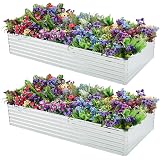
Now retrieving an image set.
Meberam 2 Pack 6x3x1FT Galvanized Raised Garden Bed Kit, Outdoor Metal Planter Box for Vegetables, Bottomless Rectangular Gardening Bed with Support Rods, Tool-Free Assembly, Silver
$48.98 (as of 08:19 GMT -05:00 - More infoProduct prices and availability are accurate as of the date/time indicated and are subject to change. Any price and availability information displayed on [relevant Amazon Site(s), as applicable] at the time of purchase will apply to the purchase of this product.)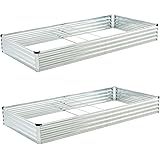
Now retrieving an image set.
Foxlang 8x4x1ft(2 PCS) Galvanized Raised Garden Bed,Outdoor Planter Box Metal Patio Kit Planting Bed for Vegetables Flowers Herb,Silver
$67.99 (as of 08:19 GMT -05:00 - More infoProduct prices and availability are accurate as of the date/time indicated and are subject to change. Any price and availability information displayed on [relevant Amazon Site(s), as applicable] at the time of purchase will apply to the purchase of this product.)Table of Contents
- 1. Vertical and Stacked Planters
- 2. Container Gardening Techniques
- 3. Companion Planting for Better Yields
- 4. Raised Bed Gardening
- 5. Urban Composting Systems
- 6. Organic Hydroponic Gardens
- 7. Natural Pest and Disease Management
- 8. Rainwater Harvesting for Sustainable Water Use
- 9. Using Native Plants for Easy Maintenance
- 10. Leverage Technology and Apps
1. Vertical and Stacked Planters
Maximizing Space with Vertical Gardening
One of the most innovative ways to optimize limited urban spaces in 2025 is through vertical and stacked planters. These setups allow you to grow a significant amount of produce vertically, saving precious ground space. For example, using wall-mounted herb gardens or wall planters can turn a bare wall into a thriving green oasis. This method is especially popular in small apartments and rooftops, making organic gardening for urban areas accessible to everyone.
Vertical gardening also helps improve air circulation around plants, reducing the risk of diseases common in crowded conditions. For instance, stacking containers allows you to grow herbs, strawberries, or leafy greens in a compact design. Many urban gardeners report boosting their yield while maintaining minimal footprint using this method. Additionally, it creates a visually appealing environment, contributing to mental well-being.
To get started, choose durable materials like recycled wood or waterproof plastics for your planters. Incorporate drip irrigation or self-watering systems to keep plants consistently nourished. Remember, selecting plants suited for vertical growth, such as lettuce, spinach, or creeping herbs, will optimize your space even further.
Design Tips and Maintenance
Designing your vertical garden requires some planning. Use a sunny wall that receives at least 6 hours of sunlight daily for the best results. For maintenance, ensure your planters have proper drainage to prevent waterlogging, which can lead to root rot. Regularly check for pests and provide natural remedies like neem oil or homemade insecticidal soap to avoid chemical pesticides.
In 2025, smart watering systems that connect to apps can help you monitor moisture levels remotely. This technological integration makes vertical and stacked gardening more manageable for busy urban dwellers. Consistent care will ensure your plants thrive, making organic gardening for urban areas both eco-friendly and rewarding.
2. Container Gardening Techniques
Choosing the Right Containers for Organic Gardening
Container gardening is a versatile solution in urban environments, especially when traditional garden beds aren’t feasible. Opt for containers made from eco-friendly materials like biodegradable pots, recycled plastics, or ceramic. Size mattersâlarger containers retain moisture better and allow for more substantial root growth, essential for healthy organic plants.
In 2025, lightweight self-watering containers are gaining popularity, reducing the effort needed for watering and encouraging consistent plant health. Ensure your containers have drainage holes to prevent water stagnation, which can lead to fungal issues. Selecting the right soil is equally criticalâpreferring organic compost mixes rich in nutrients.
Proper placement is essential: position your containers where they get adequate sunlight and protect them from harsh wind. This approach makes organic gardening for urban areas a practical, efficient method for fresh, homegrown produce.
Plant Selection for Container Gardens
Choose plants that thrive in confined spaces, such as cherry tomatoes, peppers, lettuce, and herbs like basil or mint. Companion planting within containers can also enhance growth and naturally deter pests. For example, basil planted near tomatoes can improve flavor and repel pests.
Rotate crops seasonally to maintain soil vitality and reduce disease buildup. Incorporate organic fertilizers and compost tea to boost plant productivity. Monitoring moisture and nutrients regularly ensures plants stay healthy and productive, making container gardening a sustainable choice for urban dwellers in 2025.
3. Companion Planting for Better Yields
Benefits of Companion Planting in Small Spaces
Companion planting involves pairing plants that naturally support each other, which is especially effective in the limited spaces of urban gardens. In 2025, data shows that companion planting can increase yields by over 30%, while also reducing the need for chemical interventions. For example, planting basil with tomatoes offers natural pest control and enhanced flavor.
In organic gardening for urban areas, selecting compatible plants increases diversity without crowding. For example, marigolds can repel nematodes and aphids, protecting your vegetables naturally. Such combinations make your garden healthier and more resilient overall.
Develop a planting plan that maximizes space and ecological benefits. Keep a record of successful pairings to refine your methods over time. Using companion planting helps create a balanced, organic ecosystem right in your urban environment.
Practical Tips for Effective Companion Planting
Start with a list of compatible plant pairs suited for your climate and space. Group plants with similar water and light needs together. Regularly monitor plant interactions and adjust your arrangements accordingly. Incorporating organic mulches can further improve soil health and suppress weeds.
In 2025, apps and online resources offer tailored companion planting guides, helping you plan more effectively. The combination of ancient wisdom and modern technology makes organic gardening for urban areas both simple and successful.
4. Raised Bed Gardening
Advantages of Raised Beds in Urban Settings
Raised beds are a game-changer for urban organic gardening in 2025. They improve soil qualityâallowing you to use organic compost and avoid contaminated urban soilsâwhile also providing better drainage and aeration. Raised beds can be built from eco-friendly materials like reclaimed wood or recycled composites, aligning with sustainable practices.
This method reduces soil compaction and weeds, making maintenance easier. It also allows for precise control over soil amendments, which promotes healthier plants and higher yields in limited spaces. Many urban gardeners have reported increased productivity after switching to raised bed plots.
Position your raised beds where they receive ample sunlight. Use footpaths or stepping stones for easy access and to prevent soil compaction. The flexibility and accessibility offered by raised beds make organic gardening for urban areas more practical and productive in 2025.
Design and Construction Tips
Design your beds with dimensions of about 4×8 feet for optimal reach and efficiency. Use sustainable materials like cedar or recycled plastic lumber. Fill with high-quality organic soil rich in compost, ensuring a nutrient-dense environment for your plants.
Incorporate mulch on top to retain moisture and regulate soil temperature. For extra sustainability, consider integrating rainwater harvesting systems nearby to irrigate your beds. The combination of well-planned raised beds and water management can significantly boost your organic garden’s success.
5. Urban Composting Systems
Smart Composting Solutions for Small Spaces
Composting is vital for organic gardening for urban areas, especially in 2025 when sustainability is a priority. Modern composting systems designed for small spacesâincluding countertop compost bins and worm compostersâmake it easy to recycle kitchen scraps and yard waste.
By composting organically, you create rich, natural fertilizer right at home, reducing reliance on store-bought chemicals. This not only improves soil health but also minimizes waste, contributing to a greener city environment. Opt for odor-free, sealed compost bins to avoid nuisance in apartment complexes or shared spaces.
Incorporating vermicomposting (worm composting) is another effective method for small urban settings. Worms efficiently convert organic waste into nutrient-dense castings, perfect for enriching your garden soil. Overall, urban composting in 2025 empowers city gardeners to grow organically and sustainably.
Maintenance and Usage Tips
Keep your compost moist and aerated by regularly turning or mixing the materials. Balance green waste (food scraps) with brown waste (dry leaves, paper), maintaining a ratio of about 2:1 for optimal composting. When finished, use this compost as fertilizer for your organic garden, closing the sustainability loop.
Properly managed composting reduces landfill waste and improves soil vitality, essential in urban environments. Itâs a simple yet powerful way to practice organic gardening for urban areas effectively in 2025.
Get a free subscription to PREPARE – with more gardening and homesteading tips!
6. Organic Hydroponic Gardens
Innovations in Hydroponic Organic Gardening
Hydroponicsâgrowing plants in nutrient-rich water without soilâis an exciting trend for urban organic gardening in 2025. Advances now allow for fully organic hydroponic systems, which provide rapid growth and high yields while conserving space and water. These systems are highly suitable for small balconies or rooftop farms.
In organic hydroponic setups, you can use organic nutrient solutions derived from compost teas, seaweed extracts, or organic fish emulsions. This ensures that your produce remains free from synthetic chemicals, adhering to organic standards. The efficiency of hydroponics lets city gardeners harvest fresh greens year-round.
Managing pH levels and oxygenation is crucial for successful hydroponic gardening. Modern automated systems can monitor and adjust these parameters in real-time, simplifying maintenance and optimizing plant health.
Best Crops and Growing Tips
Leafy greens, herbs, and strawberries thrive in hydroponic environments. They mature faster than traditional soil gardens, often ready for harvest in half the time. Consistent nutrient supply and light are essential, so consider supplemental LED lighting for shaded areas or indoor setups.
In 2025, integrating smart sensors and apps allows you to monitor your hydroponic garden remotely, making organic gardening for urban areas more accessible and efficient. This innovative approach supports sustainable, year-round food production right in the city.
7. Natural Pest and Disease Management
Eco-Friendly Pest Control Strategies
In organic gardening for urban areas, chemical pesticides are not an option. Instead, embracing natural pest control methods maintains a healthy ecosystem. Introducing beneficial insects like ladybugs and predatory nematodes is a proven tactic in 2025, helping control aphids, spider mites, and other pests.
Companion planting, as discussed earlier, also plays a role here. Marigolds, chives, and garlic repel many common pests naturally. Using organic sprays like neem oil or homemade garlic and chili solutions provides additional protection without harming beneficial insects.
Regular monitoring and early intervention are key. Removing infected plants and maintaining garden hygiene prevent outbreaks. These eco-friendly practices not only protect your plants but also support biodiversity in urban environments.
Preventative Measures and Disease Control
Preventing diseases involves selecting resistant plant varieties and rotating crops to break pest and pathogen cycles. Maintaining healthy soil with organic compost enhances plant immunity.
In 2025, integrating sensors that detect plant stress or early disease symptoms can alert you promptly, allowing for quick, organic responses. Combining these strategies results in a resilient, thriving organic garden in your urban space.
8. Rainwater Harvesting for Sustainable Water Use
Setting Up Rainwater Collection Systems
Rainwater harvesting is an essential component of sustainable organic gardening for urban areas in 2025. Installing rain barrels or larger storage tanks near rooftops helps capture runoff, providing a free, natural water source for your garden. This practice reduces dependence on municipal water, which is especially beneficial during dry months.
Choose eco-friendly, UV-resistant containers and ensure proper filtration to keep debris and pollutants out. Coupling rainwater collection with drip irrigation ensures targeted watering, conserving water and maintaining consistent moisture levels for your organic plants.
Incorporate sensors and timers connected via smart technology to optimize watering schedules. Properly managed rainwater systems not only save money but also promote environmentally responsible gardening practices.
Maintenance and Best Practices
Regularly clean rainwater systems to prevent mosquito breeding and algae growth. Use organic filters to maintain water quality. Educate yourself on local regulations regarding rainwater collection, as rules can vary.
Implementing rainwater harvesting aligns with eco-conscious gardening principles, making organic gardening for urban areas more sustainable and efficient in 2025.
9. Using Native Plants for Easy Maintenance
Benefits of Native Plants in Urban Organic Gardens
Growing native plants is an excellent strategy for sustainable, low-maintenance organic gardening in urban areas in 2025. Native species are adapted to local climate and soil conditions, requiring less water, fertilizers, and pest control. This resilience makes them ideal for sustainable urban environments.
Examples include local prairie grasses, wildflowers, and drought-tolerant shrubs. Incorporating native plants attracts beneficial insects and pollinators, supporting broader ecological health. They also add natural beauty and reduce your gardening workload.
Research your regionâs native flora and design your garden to include a mixture of edible native plants and ornamental species. This approach promotes biodiversity and simplifies your organic gardening efforts.
Designing With Native Plants
Group native plants according to their water and sunlight needs. Create naturalized areas that support insects and wildlife, enhancing your gardenâs ecosystem. Organic practices combined with native planting reduce the need for chemical interventions, aligning with 2025 sustainable gardening trends.
Monitoring plant health and replacing non-native invasive species with native ones ensures your garden remains environmentally friendly and easy to maintain.
10. Leverage Technology and Apps
Smart Gardening Tools for 2025
The use of technology has revolutionized organic gardening for urban areas in 2025. From soil sensors that measure moisture and nutrient levels to plant identification apps, these tools make managing your garden easier and more precise. Connecting smart watering systems and climate control devices ensures your plants receive optimal care, even from afar.
Apps specializing in organic gardening tips help with crop planning, pest identification, and organic fertilizer recipes. They empower urban gardeners to make data-driven decisions, improving yields and reducing waste.
Implementing these technologies can boost the success rate of your organic garden, making it an enjoyable and highly productive part of your urban life.
Conclusion
In 2025, mastering organic gardening for urban areas is more achievable than ever thanks to innovative techniques and a growing movement toward sustainable living. From vertical gardens to smart watering systems, each method offers practical benefits tailored to limited spaces and resource-conscious minds. Whether you’re growing herbs on your balcony or establishing a small rooftop farm, incorporating these ten strategies will help you cultivate a thriving, eco-friendly garden. Remember, embracing organic gardening for urban areas not only provides fresh, healthy food but also contributes to greener, more sustainable cities. Make 2025 your year to grow organically and enjoy the numerous benefits it brings!
Frequently Asked Questions
- 1. What is organic gardening for urban areas?
- Organic gardening for urban areas involves growing plants without synthetic fertilizers or pesticides, using sustainable methods suited for small spaces like balconies, rooftops, and community gardens.
- 2. How can I maximize space in my small urban garden?
- Utilize vertical planters, container gardening, raised beds, and companion planting to optimize small spaces and boost your organic yields in 2025.
- 3. What are the best crops for organic gardening in cities?
- Leafy greens, herbs, cherry tomatoes, peppers, and strawberries are popular choices that grow well in containers and small plots.
- 4. How do I start composting in an urban setting?
- Use small-scale compost bins, worm composters, or countertop systems to recycle organic waste, creating natural fertilizer for your garden.
- 5. Are native plants suitable for organic gardening in cities?
- Yes, native plants are low-maintenance, eco-friendly, and attract beneficial insects, making them ideal for sustainable organic gardening in urban areas in 2025.
Get a free subscription to PREPARE – with more gardening and homesteading tips!
Related Content
- How to Use Tea Leaves in Your Garden (and When You Shouldn’t)
- Bartender Matt Whiley and Chef Neil Perry Have Joined a New National Composting Network to …
- Kavlem locals oppose garbage plant near panchayat office | Goa News – Times of India
- Why Choose Organic? The Dangers of Chemical Pesticides in Food Production
- Opinion | Iowa City needs murals to inspire social change locally