Now retrieving an image set.
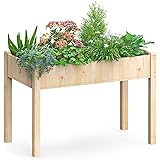
DUMOS Raised Garden Bed with Legs, 48x24x30in Wood Elevated Planter Box w/Bed Liner for Herbs Flowers Vegetables, 300lbs Capacity Outdoor Gardening Planters for Patio Balcony Backyard, Natural Wood
$49.96 (as of 12:59 GMT -05:00 - More infoProduct prices and availability are accurate as of the date/time indicated and are subject to change. Any price and availability information displayed on [relevant Amazon Site(s), as applicable] at the time of purchase will apply to the purchase of this product.)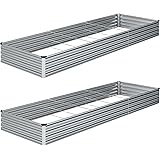
Now retrieving an image set.
ZUNUDA 10×3×1FT(2PCS) Galvanized Raised Garden Bed Kit, Metal Planter Boxes,Large Outdoor Planters Garden for Planting Vegetables,Flowers,Herbs -Silver
$65.99 (as of 12:59 GMT -05:00 - More infoProduct prices and availability are accurate as of the date/time indicated and are subject to change. Any price and availability information displayed on [relevant Amazon Site(s), as applicable] at the time of purchase will apply to the purchase of this product.)- 1. Maximize Vertical Gardening
- 2. Use Container Gardening Effectively
- 3. Choose Compact and Dwarf Varieties
- 4. Implement Companion Planting
- 5. Optimize Soil Quality for Small Spaces
- 6. Practice Efficient Watering Techniques
- 7. Incorporate Renewable Organic Pest Control
- 8. Plan Your Garden Layout Strategically
- 9. Utilize Raised Beds and Vertical Towers
- 10. Stay Informed with Local Organic Gardening Resources
1. Maximize Vertical Gardening
Harnessing Vertical Space for Bountiful Harvests
Vertical gardening has become a game-changer for those practicing organic gardening in small spaces. By growing upward instead of outward, you can significantly increase your planting area within a limited footprint. Installing wall-mounted planters, trellises, or hanging baskets allows you to grow vegetables, herbs, and even strawberries vertically.
This approach not only saves space but also improves air circulation around plants, reducing disease incidence. For example, sun-loving vegetables like tomatoes, cucumbers, and pole beans thrive when trained on vertical supports. In 2025, innovative vertical gardening systemsâsuch as modular towersâare making it easier than ever to create lush, productive gardens in tight urban spaces.
Action tip: Use sturdy, recycled materials for DIY trellises or purchase modern, space-efficient vertical gardening units. Remember to ensure proper drainage and sun exposure for your vertical setups.
Choosing the Right Plants for Vertical Growth
Not all plants are suited for vertical gardening. Focus on climbing or vining varieties that naturally grow upwards. Examples include peas, pole beans, cucumbers, and certain summer tomatoes. Herbs such as thyme, basil, and oregano can also thrive in hanging baskets or wall-mounted containers.
Steve, a small-space organic gardener, emphasizes selecting plants based on sunlight availability and maintenance level. He recommends starting with easy-to-manage crops to build confidence and optimize space efficiently. For small gardens in 2025, choosing compact and vigorous varieties is key to maximizing yields.
Pro tip: Rotate crops seasonally to keep your vertical garden productive year-round and prevent soil-borne diseases.
2. Use Container Gardening Effectively
Selecting the Best Containers for Organic Gardening in Small Spaces
Container gardening offers immense flexibility for small spaces, allowing you to grow a wide variety of plants on balconies, patios, or even window sills. Selecting the right containersâsuch as biodegradable pots, recycled buckets, or modern self-watering plantersâcan make a huge difference in plant health and ease of maintenance.
In 2025, lightweight, eco-friendly containers with built-in drainage are becoming increasingly popular among organic gardeners. These help prevent overwatering and promote healthy root systems without the need for heavy lifting or complex setup. Material choices range from ceramic and terracotta to plastics and even recycled composite materials.
Action point: Always choose containers with sufficient drainage holes and size your planters according to plant needs. For example, root vegetables require deeper containers, while leafy greens can thrive in shallower pots.
Soil and Fertilization in Containers
Container gardening necessitates high-quality, organic soil mixes rich in nutrients. Use a blend of compost, peat, and perlite to ensure proper drainage and fertility. Organic fertilizers such as neem meal, kelp extract, or liquid fish emulsion provide the nutrients plants need without synthetic chemicals.
Regular soil refreshmentâadding compost or organic amendmentsâkeeps containers productive across growing seasons. In 2025, soil-less growers are also exploring sustainable options, but traditional organic soil remains a cornerstone for small-space gardening.
Tip: Label your containers to track planting dates and fertilization schedules, making organic gardening in small spaces more manageable and productive.
3. Choose Compact and Dwarf Varieties
Benefits of Using Dwarf and Patented Plant Varieties
One of the most effective strategies for organic gardening in small spaces is selecting dwarf or compact plant varieties. These cultivars offer a full harvest without occupying excessive space, making them ideal for balconies and tiny gardens. Many seed companies now offer dwarf tomatoes, peppers, and squash specifically bred for container growth.
Choosing the right variety can lead to higher yields and healthier plants since they are often less stressed and easier to manage. For example, in 2025, seed breeders are innovating with disease-resistant, compact vegetables that are perfect for urban organic gardening.
Action tip: Check seed catalogs or local garden centers for varieties labeled “compact” or “miniatures” to maximize your space efficiency.
Growing Tips for Dwarf Plants
Guide your dwarf plants with proper staking or trellising to promote healthy growth. Regular pruning and targeted fertilization boost productivity. Remember that smaller plants often have shorter growing seasonsâso succession planting ensures continuous yields throughout the growing season.
In 2025, smart garden sensors and apps help small-space gardeners monitor conditions precisely, ensuring optimal growth for dwarf varieties. Adjust watering and fertilization schedules based on real-time data to maintain organic integrity while maximizing productivity.
Pro tip: Rotate dwarf varieties each season to prevent soil exhaustion and pest buildup, a crucial aspect of sustainable organic gardening.
4. Implement Companion Planting
Synergistic Plant Pairings for Small Gardens
Companion planting is a time-honored method to enhance plant health naturally. In small spaces, carefully selecting plant pairs can improve pest resistance, boost growth, and optimize space usage. For instance, basil grows well alongside tomatoes, enhancing flavor and repelling pests.
In 2025, new research shows that certain combinations, like marigolds with peppers, can naturally reduce nematode populations. Integrating flowers and vegetables thoughtfully creates a balanced ecosystem even in confined areas.
Action tip: Use a plant pairing chart to plan your garden layout for maximum organic benefits. Incorporate herbs such as cilantro and dill, which attract beneficial insects.
Managing Pests Naturally with Companion Planting
Organic gardening in small spaces relies heavily on natural pest deterrents. Companion plants like nasturtiums and basil can repel aphids or attract beneficial insects. This reduces our dependence on chemical interventions, maintaining the integrity of organic practices.
Regularly inspecting plants and encouraging biodiversity creates a resilient garden. Choose pest-repellent plants that also produce edible or attractive blooms to enhance your garden’s beauty and functionality.
Pro tip: Rotate companion plants annually to prevent pest adaptation and sustain organic garden health in 2025.
5. Optimize Soil Quality for Small Spaces
Building Rich, Organic Soil in Limited Areas
Healthy soil is the foundation of any successful organic garden, especially in small spaces where soil volume is limited. Building up your soil with compost, organic matter, and natural amendments improves nutrient density and water retention. In 2025, cover cropping and mulching are increasingly popular methods to enhance soil fertility organically without synthetic fertilizers.
Consider raised beds and container mixes enriched with compost to ensure your plants have access to vital nutrients. Regular organic mulching helps retain moisture, suppress weeds, and add organic matter as it decomposes over time.
Action tip: Test your soil annually to determine specific nutrient needs and avoid over-application of amendments, which can harm your organic garden ecosystem.
Utilizing Organic Amendments and Composting
Organic composting transforms kitchen scraps and garden waste into nutrient-rich matter vital for small-space gardening. Incorporating compost into container and bed soil unlocks essential nutrients, fostering vigorous plant growth. In 2025, composting systems are more user-friendly, with environmentally friendly bins suitable for urban settings.
Organic amendments like worm castings and aged manure enhance microbial activity and soil health. Regular top-dressing with compost can sustain productivity across growing seasons, reducing the need for external inputs.
Get a free subscription to PREPARE – with more gardening and homesteading tips!
Pro tip: Set up a composting station close to your garden to streamline organic waste recycling and ensure a continuous supply of nourishing compost.
6. Practice Efficient Watering Techniques
Smart Watering for Organic Gardening in Small Spaces
Water conservation is vital in small-space organic gardening, especially during dry seasons or urban environments with limited water access. Employing drip irrigation, soaker hoses, or self-watering containers ensures consistent moisture delivery and minimizes waste. In 2025, automated watering systems equipped with moisture sensors help optimize water use while maintaining organic standards.
Watering early in the day reduces evaporation and helps plants absorb moisture effectively. Mulching around plants aids in retaining soil moisture, keeping your garden lush and productive.
Action tip: Collect rainwater in barrels for sustainable, chemical-free watering options compatible with organic gardening principles.
Watering Schedule and Tips for Organic Plants
Establish a regular watering schedule tailored to your plantsâ needs and environmental conditions. Overwatering can lead to root rot, while underwatering stresses plants and reduces yields. Use organic mulches to keep moisture levels stable and reduce watering frequency.
In 2025, innovative moisture sensors can connect to smartphones, alerting you when your small-space garden needs wateringâfacilitating organic gardening that is both sustainable and convenient.
Pro tip: Always water deeply to encourage strong root systems, a vital aspect of organic gardening success in limited spaces.
7. Incorporate Renewable Organic Pest Control
Natural Ways to Protect Your Small-Space Garden
Organic gardening in small spaces depends heavily on natural pest control methods. Using neem oil, insecticidal soaps, and homemade garlic sprays creates an effective, eco-friendly defense against common pests without chemicals.
Introducing beneficial insects like ladybugs, lacewings, and predatory mites can help keep pest populations in check naturally. In 2025, backyard habitats specifically designed to attract beneficial insects make organic pest management easier and more sustainable.
Action tip: Regularly inspect plants and remove pests by hand when possible, supporting organic principles and minimizing chemical use.
Using Organic Pest Repellents Safely and Effectively
Organic repellents such as diatomaceous earth, diatomaceous powder, or diatomaceous spray help deter pests naturally. Be sure to apply these materials during calm weather to prevent drift onto unintended plants or insects.
Rotate organic pest control methods regularly to prevent pests from developing resistance. Combining multiple strategiesâsuch as habitat enhancement and resistant plant varietiesâgives your small-space organic garden the best chance of thriving.
Pro tip: Keep a gardening journal to track pest occurrences and management effectiveness over time.
8. Plan Your Garden Layout Strategically
Designing for Efficiency and Accessibility
In small spaces, thoughtful garden layout planning is essential. Map out your planting zones to ensure sun exposure, accessibility, and ease of maintenance. Vertical garden structures, raised beds, and multi-layered plantings maximize space utilization.
Implementing a grid or modular design allows you to rotate crops and rearrange plants seasonally, reducing disease buildup and improving yields. Use compact, modular furniture and storage to keep your gardening space organized and functional.
Action tip: Use graph paper or garden planning apps to visualize your space before planting. Prioritize plants based on seasonal need and growth habit.
Maximize Accessibility and Ease of Maintenance
Design your garden with maintenance in mindâreachable planting beds, ergonomic tools, and clearly defined pathways save time and effort. Container and raised bed placement should facilitate easy watering, harvesting, and pest control.
Regularly assess your layout and adapt as your garden grows or seasons change. Being organized helps maintain organic practices efficiently, even in constrained spaces.
Pro tip: Keep frequently used tools within armâs reach, and designate a dedicated area for organic pest controls and fertilizers.
9. Utilize Raised Beds and Vertical Towers
Building High-Yield Gardens in Small Spaces
Raised beds and vertical towers are excellent solutions for small-scale organic gardening. They improve soil quality, drainage, and help define planting zones. Raised beds also make organic weed control easier and facilitate companion planting.
Vertical towers, with multiple planting levels, allow maximizing your growing area vertically. In 2025, innovative modular beds and self-watering towers are helping urban gardeners produce more on limited land.
Action tip: Use rot-resistant materials for beds and choose plants suited for container or tower growth to maximize space and productivity.
Growing Tips for Raised and Vertical Gardens
Ensure your raised beds and containers have high-quality organic soil and appropriate depth for root growth. Regular fertilization with organic compost and amendments keeps plants healthy. Position towers and beds in areas with maximum sun exposure.
Incorporate trellising or staking for climbing plants within these structures to prevent overcrowding and promote healthy growth. Regularly rotate crops and practice succession planting for continuous harvests.
Pro tip: Use lightweight, durable materials for vertical towers and raised beds to ease relocation and maintenance.
10. Stay Informed with Local Organic Gardening Resources
Finding Support and Education in 2025
Staying updated with the latest trends, techniques, and regulations is crucial for successful organic gardening in small spaces. Local community gardens, organic gardening workshops, and online forums provide valuable support and shared knowledge.
Many cities now offer certifications, webinars, or apps dedicated to urban organic gardening. Joining these networks keeps you informed about sustainable practices, pest management, and seasonal planting calendars.
Action tip: Subscribe to local gardening newsletters or social media groups focused on organic gardening to exchange tips and get inspired.
Related Content
- Put Kitchen Scraps and Landscape Trimmings to Work in the Garden – TAPinto
- Composting Now Required By California Law – YouTube
- Composting Equipment Market Size 2021-2028 Industry Share, Growth … – Agence de presse DIA
- 76% of older millennials are worried about climate change—and it’s impacting how they spend …
- Global Organic Waste Composting Machine Market 2021 Key Players Analysis, Emerging …