Now retrieving an image set.
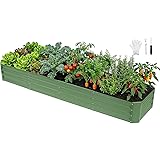
INNO STAGE 8×2×1ft Galvanized Raised Garden Bed Kit, Galvanized Planter Raised Garden Boxes Outdoor, Large Metal Raised Garden Beds for Vegetables, Flowers, Herbs, and Succulents, OliverGreen
$49.98 (as of 08:19 GMT -05:00 - More infoProduct prices and availability are accurate as of the date/time indicated and are subject to change. Any price and availability information displayed on [relevant Amazon Site(s), as applicable] at the time of purchase will apply to the purchase of this product.)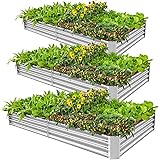
Now retrieving an image set.
Land Guard 3 Pack 6×3×1ft Galvanized Metal Raised Garden Bed, Metal Planter Kit Box Outdoor for Deep-Rooted Vegetables, Flowers, Green and Herbs, Silver
$84.99 (as of 08:19 GMT -05:00 - More infoProduct prices and availability are accurate as of the date/time indicated and are subject to change. Any price and availability information displayed on [relevant Amazon Site(s), as applicable] at the time of purchase will apply to the purchase of this product.)
1. Choosing the Right Soil Composition
Understanding Soil Types
In 2025, successful organic gardening starts with selecting the appropriate soil type. Loamy soils are considered ideal for most vegetables and herbs due to their balanced texture, which holds nutrients and drains well. Clay soils, although rich in nutrients, can impede root growth if not amended properly. Sandy soils drain quickly but often lack vital nutrients. Knowing your soil type helps you tailor your soil preparation strategies for optimal plant growth.
To determine your soil type, conduct simple tests such as the jar test or observe drainage patterns after watering. These methods help you understand whether your garden needs amendments like organic matter or specific conditioners. As gardeners become more eco-conscious, understanding soil composition aligns with sustainable practices in 2025.
Adjusting your soil mix with organic materials transforms challenging soils into fertile ground. For example, adding organic compost to clay soils improves aeration, while organic amendments in sandy soils boost nutrient retention. This foundational knowledge improves the success of your organic gardening soil preparation.
pH Level and Nutrient Balance
Maintaining the correct soil pH is essential for nutrient availability. Most vegetables prefer a pH between 6.0 and 7.0. In 2025, soil testing kits have become more affordable and user-friendly, allowing gardeners to regularly monitor pH levels. Adjustments using organic materials like lime or sulfur help optimize conditions naturally.
Research indicates that balanced pH enhances the effectiveness of organic fertilizers and compost. Understanding how pH influences nutrient uptake allows you to tailor your organic gardening soil preparation for maximum productivity in 2025’s growing season.
pH adjustment isn’t a one-time task; it requires ongoing monitoring. Incorporate organic amendments gradually, observing plant responses to ensure healthy growth and soil health.
2. Enriching Soil with Compost and Organic Matter
Creating High-Quality Compost
Compost is the cornerstone of organic gardening soil preparation. In 2025, gardeners focus on creating nutrient-rich, biologically active compost using kitchen scraps, garden waste, and approved compost activators. A well-made compost enhances soil structure, retains moisture, and supplies essential nutrients without synthetic additives.
Transform your compost heap by maintaining proper carbon-to-nitrogen ratiosâusually 30:1âand turning it regularly to aerate. Incorporating compost into your soil increases organic matter content, which improves soil aeration and water retention, vital for healthy plant roots.
Understanding compost maturity is crucial; fully cured compost is dark, crumbly, and smells earthy. Applying mature compost as part of your organic gardening soil preparation in 2025 ensures your plants get the nourishment they need naturally.
Use of Organic Mulches and Cover Crops
Organic mulches like straw, wood chips, or leaf mold play a significant role in soil preparation by conserving moisture, suppressing weeds, and slowly adding organic matter as they decompose. In 2025, mulching is also essential for regulating soil temperature and promoting beneficial microbial activity in organic gardens.
Cover cropsâalso known as green manureâsuch as clover, vetch, or peas, are planted before main crops and turned into the soil to enrich it naturally. These crops fix nitrogen, improve soil structure, and prevent erosion, aligning perfectly with organic gardening principles.
Implementing mulches and cover crops as part of your soil preparation routine creates a resilient, fertile foundation. This practice supports sustainable gardening and aligns with eco-friendly trends in 2025.
3. Preparing Soil Using Green Manure Crops
Selecting the Best Green Manure Plants
Green manure crops are an excellent way to naturally enhance soil fertility. In 2025, popular choices include clover, vetch, and radishes, which improve nitrogen levels and soil structure. Choosing the right crop depends on your climate, soil needs, and garden goals.
For example, legumes such as clover are particularly effective at fixing atmospheric nitrogen, reducing the need for external fertilizers. Root crops like radishes break up compacted soil and add organic matter back into the soil when turned under.
Planning your green manure crop rotation is vital for maintaining soil health over time. Experimenting with different plants helps create a diverse, resilient soil ecosystem for organic gardening success.
Get a free subscription to PREPARE – with more gardening and homesteading tips!
Timing and Techniques for Green Manure Incorporation
The timing of planting and incorporating green manure crops influences their effectiveness. In 2025, the recommended period is typically before planting your main crops, allowing the green manure to mature and then be integrated into the soil during the planting season.
Techniques for incorporation include cutting the green manure plants just before flowering and then tilling or chopping them into the soil. This method ensures maximum decomposition and nutrient release, boosting organic gardening soil preparation quality.
Use cover cropping as part of a seasonal cycle. For instance, planting legumes in the fall and incorporating them in early spring helps reset and recharge your garden beds naturally.
2025 Trends and Natural Supplements
Latest Organic Soil Additives in 2025
In 2025, innovative organic soil supplements like biochar, kelp extract, and microbial inoculants have gained popularity. These products boost soil fertility, promote healthy microbial activity, and reduce dependency on chemical inputs.
Biochar, for example, improves soil water retention and nutrient cycling while sequestering carbonâa perfect fit for eco-conscious gardeners. Kelp extracts provide trace minerals and growth stimulants, enhancing plant vigor naturally.
Implementing these supplements as part of your soil preparation routine can lead to healthier plants and higher yields, making your organic garden more sustainable and productive.
Natural Pest and Disease Control Methods
Preventing pests and diseases without chemicals is a key component of organic gardening soil preparation in 2025. Use beneficial insects, neem oil, diatomaceous earth, and crop rotation strategies to maintain a healthy soil ecosystem that naturally suppresses pests.
Healthy soil breeds healthy plants, which are less prone to infestations. Incorporate compost teas and organic soil amendments that strengthen plant immune responses, creating a resilient garden environment.
Preparation is crucialâstart with nutrient-rich soil and foster beneficial microbial populations to create a natural barrier against common pests and diseases.
Frequently Asked Questions about Organic Gardening Soil Preparation
1. What is the best way to start organic gardening soil preparation in 2025?
Begin by testing your soil’s pH and composition, then amend it with organic compost, green manure, and natural minerals. Focus on improving soil structure and microbial diversity for long-term fertility.
2. How can I improve soil fertility without synthetic fertilizers?
Use organic compost, compost teas, cover crops, and natural mineral amendments. Incorporating organic matter increases nutrient availability naturally, supporting robust plant growth.
3. Why is organic gardening soil preparation important?
Proper soil preparation ensures your plants receive essential nutrients, improves soil health, reduces pests and diseases, and promotes sustainable practices that protect the environment in 2025.
4. How often should I test my soil in an organic garden?
At least once annually, preferably before planting seasons. Regular testing helps you adjust your organic gardening soil preparation strategies for optimal results.
5. Can organic soil preparation techniques increase crop yields?
Yes, significantly. Well-prepared organic soil supports healthy root systems, efficient nutrient uptake, and overall plant vigor, leading to higher and more reliable yields.
Get a free subscription to PREPARE – with more gardening and homesteading tips!
Related Content
- BC should look to zero waste solutions to reduce GHG emissions and create jobs – Policy Note
- Compost Systems awarded contract to construct a composting plant in Morocco
- Cookies for Compost makes composting more accessible along with a sweet incentive
- The Ultimate Guide to Growing cucumbers in containers: 7 Effective Tips for 2025
- What There Is To Know About Organic Horticulture