
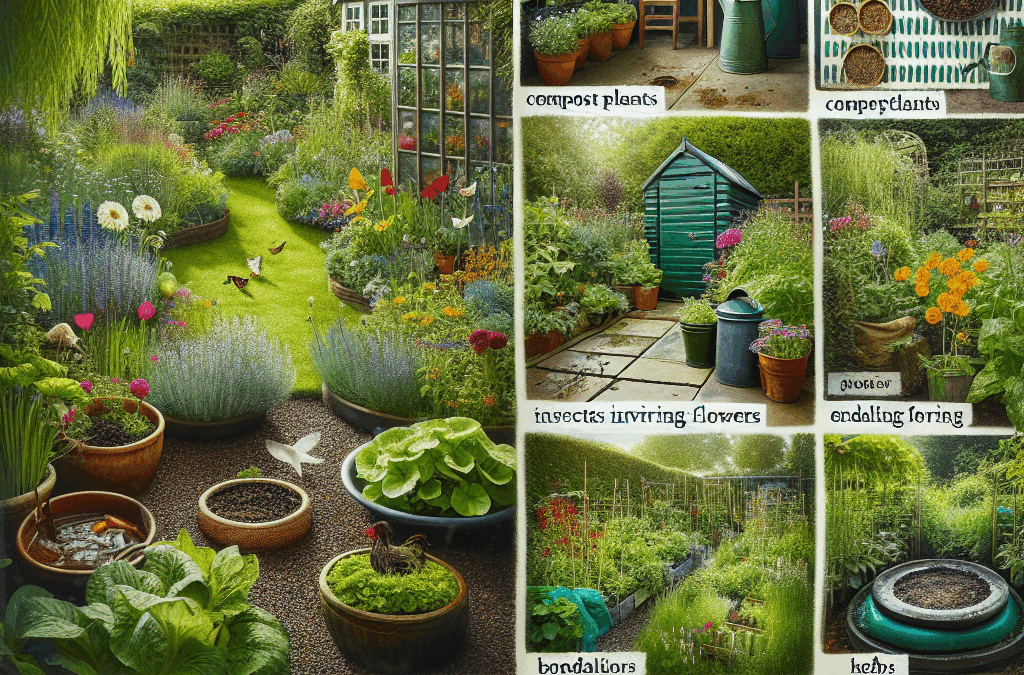
Starting an organic garden can be an exciting journey toward sustainable living and healthier eating. For beginners, the key is to focus on the essentials that will lead to success without becoming overwhelmed. Embracing organic practices not only nurtures your plants but also contributes positively to the environment. Understanding core principles like soil health, plant selection, and pest management will set you on the right path.
Many new gardeners often dive into planting without fully grasping the significance of soil quality or the specific needs of their chosen plants. Common pitfalls include over-fertilizing, neglecting pest control, or choosing inappropriate plant varieties for their climate. By prioritizing the fundamentals and making informed decisions, you can cultivate a thriving organic garden that flourishes.
Understanding Soil Health
Soil health is the foundation of any successful organic garden. Healthy soil is rich in nutrients, has good structure, and supports a diverse ecosystem of microorganisms. Testing your soil before planting can help identify nutrient deficiencies and pH levels, allowing you to amend your soil appropriately. Organic matter, such as compost or well-rotted manure, can greatly enhance soil fertility and structure.
Neglecting soil health can lead to poor plant growth and increased vulnerability to pests and diseases. Start by incorporating organic materials into your soil, and consider rotating crops to maintain nutrients. Remember, building healthy soil is a long-term investment that pays off in the quality of your plants.
Choosing the Right Plants
Selecting plants suited to your climate and soil type is crucial for a successful garden. Native plants or heirloom varieties often thrive with less intervention and are naturally resistant to local pests. Researching companion planting can also enhance growth and deter pests, as certain plants support each other’s development.
Common mistakes include overplanting or choosing plants that require more care than you can provide. Begin with a few easy-to-grow vegetables or herbs, and expand your garden as you gain confidence. Prioritizing the right plants will lead to a more rewarding gardening experience.
Effective Pest Management
Managing pests organically involves understanding the ecosystem of your garden. Beneficial insects, like ladybugs and lacewings, can help control harmful pests naturally. Additionally, using barriers, such as row covers or nets, can protect your plants from pests without chemicals.
Many beginners mistakenly resort to chemical pesticides at the first sign of trouble. Instead, monitor your plants regularly and implement integrated pest management (IPM) strategies. This approach combines cultural, mechanical, and biological methods to keep pests at bay while supporting a healthy garden ecosystem.
Watering and Maintenance Tips
Watering practices are vital for healthy plant growth. Overwatering can lead to root rot, while underwatering can stress plants. Establishing a consistent watering schedule based on your plants’ needs and environmental conditions is crucial. Early morning is typically the best time to water, as it reduces evaporation and allows plants to absorb moisture throughout the day.
Regular maintenance tasks, such as weeding and pruning, help keep your garden healthy. Avoid letting weeds compete with your plants for nutrients and water, and regularly check for signs of disease or pest infestations. Understanding the specific needs of your garden will ensure it remains vibrant and productive.
Further Reading
Authoritative Sources
- MedlinePlus
medlineplus.govConsumer-friendly medical and health information from the U.S. National Library of Medicine.
- National Institutes of Health
nih.govResearch-based health information and links to authoritative medical resources.
- Centers for Disease Control and Prevention
cdc.govOfficial public health guidance, prevention resources, and topic-specific recommendations.
- Mayo Clinic
mayoclinic.orgTrusted clinical guidance, symptom explainers, and treatment overviews.
- World Health Organization
who.intGlobal health guidance, fact sheets, and evidence-based public health information.
Frequently Asked Questions
What is the best way to start an organic garden?
Begin by selecting a small area, testing your soil, and choosing easy-to-grow plants. Incorporate organic matter to enrich the soil and ensure proper drainage.
How often should I water my organic garden?
Watering frequency depends on plant type and weather conditions, but generally, aim for deep watering once or twice a week, adjusting as needed based on rainfall.
Can I use chemical fertilizers in organic gardening?
No, organic gardening prohibits synthetic fertilizers. Instead, rely on organic compost, manure, or natural amendments to nourish your plants.
What are some common pests in organic gardens?
Common pests include aphids, caterpillars, and spider mites. Implement natural pest control methods like attracting beneficial insects or using organic insecticidal soap.
How can I improve my garden soil?
Enhance your soil by adding organic matter, such as compost, and practicing crop rotation to maintain nutrient levels and soil structure.
Conclusion
Ultimately, starting your organic gardening journey requires a solid understanding of soil health, plant selection, pest management, and proper maintenance. Prioritize these aspects to avoid common pitfalls and ensure a thriving garden. As you gain experience, continue to learn and adapt your practices to cultivate a successful and sustainable organic garden.


