Now retrieving an image set.
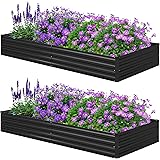
Foxlang 8x4x1ft(2 Pack) Galvanized Raised Garden Bed,Outdoor Planter Box Metal Patio Kit Planting Bed for Vegetables Flowers Herb,Black
$60.99 (as of 12:59 GMT -05:00 - More infoProduct prices and availability are accurate as of the date/time indicated and are subject to change. Any price and availability information displayed on [relevant Amazon Site(s), as applicable] at the time of purchase will apply to the purchase of this product.)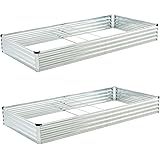
Now retrieving an image set.
Foxlang 8x4x1ft(2 PCS) Galvanized Raised Garden Bed,Outdoor Planter Box Metal Patio Kit Planting Bed for Vegetables Flowers Herb,Silver
$67.99 (as of 08:19 GMT -05:00 - More infoProduct prices and availability are accurate as of the date/time indicated and are subject to change. Any price and availability information displayed on [relevant Amazon Site(s), as applicable] at the time of purchase will apply to the purchase of this product.)Table of Contents
- 1. Encourage Beneficial Insects
- 2. Use Companion Planting
- 3. Deploy Organic Sprays and Oils
- 4. Maintain Soil Health
- 5. Practice Crop Rotation
- 6. Employ Physical Barriers
- 7. Plant Pest-Resistant Varieties
- 8. Keep Your Garden Clean
- 9. Regular Monitoring and Inspection
- 10. Educate Yourself and Stay Updated
1. Encourage Beneficial Insects
Understanding the Role of Beneficial Insects
Beneficial insects are natural predators that help keep pest populations under control without the need for chemical interventions. In an organic pest control garden, encouraging ladybugs, lacewings, and predatory beetles can significantly reduce harmful pests like aphids and whiteflies. These insects are vital allies in creating a balanced ecosystem in your garden.
Research indicates that releasing or attracting beneficial insects can cut down pest numbers by up to 80%, making them a cornerstone of organic pest management in 2025. You can attract these helpful bugs by planting nectar-rich flowers such as dill, fennel, and marigolds around your vegetable beds.
Practicing companion planting with these attractants not only draws beneficial insects but also supports the overall health of your garden ecosystem. Remember, a diverse garden attracts a variety of helpful insects, which in turn keeps pest populations in check naturally.
Creating a Friendly Environment for Beneficial Insects
One effective way to encourage beneficial insects is to build habitats within your garden, like shallow water sources or insect hotels made from natural materials. These habitats give helpful bugs a safe place to rest and reproduce, increasing their presence around your garden.
Using organic pest control garden practices means avoiding pesticides that harm beneficial insects. Instead, opt for organic alternatives like neem oil or insecticidal soaps that target pests specifically without killing your helpful insects. This approach ensures a thriving population of natural pest controllers in your garden.
By fostering an environment that supports beneficial insects, you reduce your reliance on external pest control measures and promote a self-sustaining ecosystem that grows healthier and more resilient over time.
2. Use Companion Planting
What Is Companion Planting?
Companion planting involves pairing certain plants to benefit each other in pest control, growth, and overall health. In an organic pest control garden, strategic plant combinations can naturally repel pests and attract beneficial insects. For example, planting basil near tomatoes can deter tomato hornworms, and marigolds can repel nematodes and aphids.
Research from 2025 shows that companion planting can reduce the need for organic pesticides by up to 50%. Itâs an effective, low-cost method to keep pests at bay while enhancing your gardenâs biodiversity.
By understanding which plants work well together, you can design your garden layout to maximize pest resistance. This natural form of pest management helps maintain a healthy, organic garden without synthetic chemicals.
Popular Companion Plant Combinations
- Marigolds + Vegetables: Repel nematodes, aphids, and beetles
- Basil + Tomatoes: Deters mosquito and fly pests
- Radishes + Carrots: Guard against pests targeting root crops
- Petunias + Fruit Bushes: Attract pollinators and repel certain bugs
These combinations are easy to implement and can significantly bolster your organic pest control garden. They also add visual appeal and attract beneficial insects, creating a vibrant, pest-resistant environment.
3. Deploy Organic Sprays and Oils
Choosing the Right Organic Sprays
Organic pest control in 2025 emphasizes using natural sprays such as neem oil, insecticidal soap, and pyrethrum extracts. These options are effective against pests like aphids and mites while being safe for humans, animals, and beneficial insects.
Neem oil, for example, acts as an insect growth regulator, disrupting pestsâ life cycle. When applied properly, it provides a powerful, eco-friendly solution for controlling a wide range of pests. Always follow label instructions and apply during early morning or evening to minimize harm to beneficial insects.
Regular applications, combined with monitoring, will help keep pest populations manageable without resorting to harmful chemicals.
Application Tips for Best Results
- Apply sprays during calm weather to prevent drift
- Test on a small area first to check for plant sensitivity
- Reapply afteré¨ rain or heavy dew to maintain effectiveness
Using organic oils and sprays in your garden ensures you can maintain pest control naturally while supporting a healthy, sustainable environment. These tools are essential elements of an organic pest control garden in 2025.
4. Maintain Soil Health
Organic Soil Management Practices
Healthy soil equals healthy plants and a naturally pest-resistant garden. In 2025, the emphasis is on enriching soil with compost, organic matter, and natural amendments rather than chemical fertilizers. Healthy soil promotes strong root systems and robust plant defenses against pests.
Adding compost regularly supplies essential nutrients and beneficial microorganisms that help suppress soil-borne pests and diseases. Cover cropping and mulching also improve soil structure and moisture retention, creating a less inviting environment for pests.
Studies show that gardens with rich, organic soil reduce pest infestations by enhancing plant vigor and resilience, which are crucial for an effective organic pest control garden.
Natural Soil Amendments and Practices
- Apply aged compost and organic fertilizers
- Incorporate mulches like straw, wood chips, or leaf mold
- Practice minimal tillage to preserve beneficial soil life
Healthy, organic soil is the foundation of successful pest management in 2025. It reduces pest pressure and enhances plant growth naturally.
5. Practice Crop Rotation
Why Crop Rotation Matters
Crop rotation is a tried-and-true organic pest control method that disrupts pest life cycles and reduces disease buildup. In 2025, implementing a rotation schedule is more important than ever as pests adapt to constant host plants. Changing planting locations each year prevents pests from establishing in the soil.
For example, rotating root vegetables with legumes or leafy greens helps reduce pests specific to each crop, such as aphids or root maggots. It also enhances soil fertility naturally, decreasing the need for chemical inputs.
By following a planned crop rotation, your garden remains productive and resilient against pest invasions, embodying organic pest control strategies.
Implementation Tips for Effective Rotation
- Keep a planting journal to track crop history
- Group plants with similar pest vulnerabilities together
- Plan rotations based on plant families to minimize pest resurgence
Consistent crop rotation in your organic pest control garden ensures long-term pest suppression and healthy soil, setting the stage for abundant harvests in 2025.
6. Employ Physical Barriers
Types of Barriers for Pest Prevention
Physical barriers are a chemical-free method of protecting your plants from pests. Options include row covers, insect netting, collars, and fine mesh screens. These tools physically block pests like beetles, caterpillars, and aphids from reaching your plants.
In 2025, fabric row covers are increasingly popular due to their durability and ease of use. They are especially effective during vulnerable growth stages and can be removed once plants are established or when beneficial insects need access.
Get a free subscription to PREPARE – with more gardening and homesteading tips!
Using physical barriers allows you to keep pests at bay without harming the ecological balance in your organic pest control garden.
Installing and Maintaining Barriers
- Secure covers tightly to prevent pests from sneaking underneath
- Remove covers during flowering to support pollination, then reapply afterward
- Check regularly for tears or gaps and repair promptly
Incorporating physical barriers is a simple yet highly effective strategy to keep pests away naturally, playing a huge role in an organic pest control garden in 2025.
7. Plant Pest-Resistant Varieties
Selecting the Right Cultivars
Choosing pest-resistant plant varieties is a crucial step in organic pest control for 2025. These cultivars are bred for natural resistance to common pests and diseases, reducing the need for interventions. For example, heirloom and hybrid tomatoes with built-in pest resistance will help prevent infestations naturally.
When purchasing seeds or seedlings, look for varieties labeled as resistant to local pests. This upfront investment saves time and effort later in pest management, promoting a more sustainable, organic approach.
Incorporating pest-resistant plants into your garden design minimizes chemical use and nurtures a resilient garden ecosystem.
Benefits and Limitations
- Reduces pest infestations and crop losses
- Supports organic principles by relying on nature and plant genetics
- May have limited variety choice, so diversity remains important
Planting resistant varieties is an easy, effective method to boost the sustainability and productivity of your organic pest control garden in 2025.
8. Keep Your Garden Clean
The Importance of Garden Hygiene
Maintaining a tidy garden reduces potential hiding spots for pests and diseases. Remove fallen leaves, plant debris, and weeds regularly to prevent pest harboring. In an organic pest control garden, cleanliness is a simple yet powerful step to ward off invaders and keep your plants healthy.
In 2025, emphasizing cleanliness aligns with sustainable practices, minimizing pest pressure and reducing the need for organic pesticides. It also improves airflow around plants, decreasing fungal issues.
By practicing good garden hygiene, you foster a healthier environment that naturally deters pests and promotes organic growth.
Tips for Effective Garden Maintenance
- Remove and compost diseased or infested plant material
- Weed regularly to eliminate pest hosts
- Sanitize pruning tools to prevent disease spread
With consistent upkeep, your organic pest control garden remains resilient and less prone to pest outbreaks in 2025.
9. Regular Monitoring and Inspection
The Key to Early Pest Detection
Consistent checking of plants for pest signs is essential for effective organic pest control. Identify infestations early before they become severe, allowing for targeted, natural treatments. Use calendar reminders or pest scouting sheets to stay organized.
In 2025, technology like smartphone apps and digital records make monitoring easier and more accurate, helping gardeners implement timely interventions grounded in organic practices.
Early detection prevents widespread damage and reduces overall pest control efforts, keeping your garden healthy and productive naturally.
How to Conduct Effective Inspections
- Check undersides of leaves and stems frequently
- Look for holes, eggs, and visible pests
- Keep notes on pest patterns and populations
Proactive monitoring is a cornerstone of a successful organic pest control garden and helps you maintain a pest-free environment through 2025 and beyond.
10. Educate Yourself and Stay Updated
Importance of Staying Informed
Gardening is constantly evolving, especially in the field of organic pest control. Staying current with new research, organic products, and pest management techniques ensures your garden remains eco-friendly and effective. In 2025, digital resources, workshops, and gardening networks make learning more accessible than ever.
Following reputable sources like extension services, organic gardening associations, and environmental organizations provides valuable insights into best practices and innovative methods.
An informed gardener can make better decisions, adapt strategies as pests evolve, and maximize the success of an organic pest control garden.
Resources for Continued Learning
- Join local organic gardening clubs
- Subscribe to gardening newsletters and blogs
- Participate in workshops and training programs
By continually educating yourself, you empower your organic pest control garden to flourish sustainably in 2025.
Frequently Asked Questions
1. What is the best way to start an organic pest control garden?
Begin by building healthy soil through composting, select pest-resistant plant varieties, and encourage beneficial insects. Planning with companion planting and regular monitoring will set a strong foundation for natural pest control.
2. How effective are organic pest control methods compared to chemicals?
Organic methods are highly effective when integrated properly and are safer for the environment, humans, and beneficial insects. While they may take longer to show results, they promote sustainable garden health in 2025.
3. Can I rely solely on organic pest control in my garden?
Yes, if you implement diverse strategies like encouraging beneficial insects, practicing crop rotation, and maintaining soil health. Combining these tactics creates a resilient, organic pest control garden.
4. How often should I inspect my garden for pests?
The frequency depends on the season and crop type, but a weekly inspection during peak growing seasons is recommended for early pest detection and effective management.
5. What are some quick organic pest control garden tips for beginners?
Start with simple practices like planting marigolds and basil, maintaining cleanliness, and regularly inspecting your plants. These foundational steps make a significant difference and set the stage for a thriving organic garden in 2025.
Conclusion
Creating and maintaining an effective organic pest control garden in 2025 is both achievable and rewarding. By implementing these 10 strategiesâranging from encouraging beneficial insects to practicing crop rotationâyou lay the groundwork for a healthy, resilient garden that naturally keeps pests in check. Remember, an organic pest control garden isnât just about pest suppression; itâs about nurturing a balanced ecosystem where plants can thrive without harmful chemicals. Embrace these practices, stay informed, and watch your garden flourish in 2025 and well beyond.
Get a free subscription to PREPARE – with more gardening and homesteading tips!
Related Content
- Free Virtual Home Composting Workshop | Martinez, CA Patch
- Regina council approves city-wide composting service | CTV News
- Worm farms, bokashi and buckets: How to compost without a backyard
- Salvation Army doing its part with zero food waste
- I Found The PERFECT PRUNING SHEARS! Japanese Pruners At An UNREAL Price!