Now retrieving an image set.
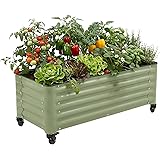
Vego garden Classic Rolling Garden Bed – 1.75' Mobile Metal Raised Garden Bed for Patio, Deck, Balcony – Deep Planting Space, Durable & Easy to Move (Olive Green, 1.75'X4')
$219.95 (as of 08:19 GMT -05:00 - More infoProduct prices and availability are accurate as of the date/time indicated and are subject to change. Any price and availability information displayed on [relevant Amazon Site(s), as applicable] at the time of purchase will apply to the purchase of this product.)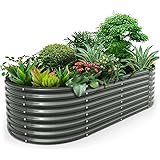
Now retrieving an image set.
A ANLEOLIFE 8x4x2ft Galvanized Raised Garden Bed Kit, Oval Metal Deep Root Planters for Outdoor Plants Vegetables Flowers Herb, Large Bottomless, 478 Gallon Capacity- Quartz Grey
$148.85 (as of 12:59 GMT -05:00 - More infoProduct prices and availability are accurate as of the date/time indicated and are subject to change. Any price and availability information displayed on [relevant Amazon Site(s), as applicable] at the time of purchase will apply to the purchase of this product.)- 1. Beneficial Insects
- 2. Companion Planting
- 3. Organic Sprays
- 4. Neem Oil Applications
- 5. Diatomaceous Earth
- 6. Homemade Garlic Spray
- 7. Organic Mulching
- 8. Water Pressure Methods
- 9. Crop Rotation
- 10. Maintaining Garden Health
1. Beneficial Insects
Harness Natural Predators to Control Pests
One of the most effective organic pest control methods in 2025 is encouraging beneficial insects like ladybugs, lacewings, and predatory beetles. These insects naturally prey on common pests such as aphids, whiteflies, and scales. By creating a welcoming environment, you can significantly reduce pest populations without chemicals.
Planting nectar-rich flowers like fennel, dill, or yarrow attracts beneficial insects and supports their life cycles. Avoid using broad-spectrum insecticides which can kill these friendly predators alongside harmful pests. Studies show that gardens with diverse insect populations tend to have fewer pest problems overall.
Pro tip: Purchase beneficial insects from trusted nurseries or online suppliers and release them early in the season for maximum impact.
Supporting Biodiversity for Ongoing Pest Control
Maintaining biodiversity ensures a balanced ecosystem in your garden, fostering natural pest control. A mixture of plants encourages different predatory insects and pollinators, creating a self-sustaining control system. For example, planting marigolds alongside vegetables can deter nematodes and attract predatory wasps.
Research from 2025 indicates that gardens rich in beneficial insect populations experience 30-50% fewer pest outbreaks compared to monocultures. This approach aligns perfectly with organic pest control methods aiming to minimize chemical use.
To maximize benefits, avoid pesticide usage and support native insect populations by planting a variety of flowering plants throughout the growing season.
2. Companion Planting
Pairing Plants for Pest Repellence
Companion planting is an ancient but still highly effective organic pest control method that involves pairing plants together to repel pests and attract beneficial insects. For example, basil planted near tomatoes can deter tomato hornworms and aphids, providing a natural barrier. Additionally, marigolds are renowned for repelling nematodes and aphids.
In 2025, science supports these traditional methods, showing that certain plant combinations can reduce pest infestations by up to 40%. Using native and aromatic herbs enhances this effect as their strong scents repel many pests.
Actionable tip: Create a schedule of companion plants suitable for your gardenâs specific pests and crops, rotating them seasonally to maintain pest resistance.
Enhancing Pollination and Plant Health
Beyond pest control, companion planting boosts pollination and overall plant vigor. Intercropping vegetables with flowering herbs or herbs with vegetables increases biodiversity, leading to healthier plants and fewer pest issues. This organic pest control method not only reduces chemical reliance but also improves crop yields.
Keep in mind that effective companion planting requires planning, but the long-term benefits include a resilient garden ecosystem adaptable to varying pest pressures.
3. Organic Sprays
Creating Natural Pest Repellents
Organic sprays made from natural ingredients like neem oil, insecticidal soap, or botanical extracts are a safe and effective way to control pests in 2025. These sprays interfere with pest feeding or reproduction, reducing their populations over time.
Applying organic sprays early in the pest lifecycle yields the best results. For example, neem oil can be used weekly to prevent pests from establishing fully. Always follow instructions for dilution and application to preserve beneficial insects.
Use a spray bottle or garden sprayer for even coverage, targeting undersides of leaves and pest hotspots. Regular applications can keep pests at bay without harming your garden’s ecosystem.
Monitoring and Timing for Effectiveness
Effective organic pest control methods rely heavily on precise timing. Check your plants regularly for pest signs, and apply sprays at dawn or dusk to avoid pollinator disruption. Combining organic sprays with integrated pest management (IPM) strategies enhances overall results.
In 2025, new formulations have improved their efficacy and longevity, making organic sprays more accessible and practical for home gardeners seeking sustainable solutions.
4. Neem Oil Applications
Why Neem Oil is a Game-Changer
Neem oil remains a cornerstone of organic pest control methods. Its active compounds disrupt insect hormone systems, preventing pests from feeding and breeding. Neem oil works on a broad spectrum, targeting aphids, mites, scale, and more. It’s an environmentally safe choice perfect for 2025 gardening.
Mix a small amount of cold-pressed neem oil with water and a few drops of soap to enhance adhesion. Apply generously to infected areas, paying close attention to the undersides of leaves where pests often hide.
Data point: Studies in 2025 suggest that neem oil can reduce pest populations by up to 80% when used consistently, making it one of the most effective organic pest control methods today.
Safety and Environmental Considerations
Neem oil is biodegradable and safe for most beneficial insects when applied correctly. To minimize impact on pollinators, spray in the evening or early morning, and avoid flowering plants during peak pollination times. Use as part of a comprehensive organic pest management plan to maintain garden health.
Incorporating neem oil into your routine keeps pests under control while protecting the environment, aligning with organic principles and current sustainable practices.
5. Diatomaceous Earth
Natural Mechanical Pest Barrier
Diatomaceous earth (DE) is a fine powder made from the fossilized remains of tiny aquatic organisms. When pests crawl over DE, it damages their exoskeletons, leading to dehydration and death. This makes DE a highly effective organic pest control method, especially for soft-bodied pests like slugs, ants, and beetles.
Sprinkle a thin layer of food-grade DE around plants, on soil surfaces, and along pest entry points. Reapply after rain or watering to maintain effectiveness. DE is non-toxic to humans and pets when used properly, making it a safe choice for 2025 gardens.
Pro tip: Use gloves when handling DE to avoid inhalation and ensure even coverage for best results.
Environmental Impact and Safety Tips
Because DE is a physical rather than chemical control method, it poses minimal environmental risks. However, avoid inhaling the dust during application. It’s also effective against multiple pest types, making it a versatile organic pest control method in any sustainable garden.
Combine DE with other organic strategies for a comprehensive pest management approach tailored for 2025 garden challenges.
6. Homemade Garlic Spray
Natural Repellent with a Strong Scent
Garlic has natural pesticidal properties due to its sulfur compounds. Making a homemade garlic spray is a simple and cost-effective organic pest control method that repels a wide array of pests including aphids, spider mites, and beetles.
Get a free subscription to PREPARE – with more gardening and homesteading tips!
Blend several garlic cloves with water, strain the mixture, and add a few drops of liquid soap. Spray it liberally on plants, focusing on pest hotspots. Reapply every 7-10 days for ongoing protection.
In 2025, gardeners favor homemade solutions like garlic spray because they avoid harmful chemicals and are sustainable long-term.
Practical Tips for Best Results
For maximum effectiveness, apply garlic spray during calm, dry weather. Always test on a small area first to check for any phytotoxicity. Remember, natural pest repellents like garlic should be part of an integrated pest management system for best results.
7. Organic Mulching
Protect Roots and Reduce Pest Habitat
Using organic mulches such as straw, pine bark, or composted leaves helps suppress weeds, retain soil moisture, and create a barrier against pest larvae and eggs. Mulching also discourages pests like weeds and fungi, indirectly reducing pest pressure.
Pest hiding spots are less likely to develop in well-mulched beds. Plus, mulching improves soil health naturally, making plants more resistant to pests and diseases.
Important: Avoid mulching with materials that can harbor pests or diseasesâalways choose clean, organic options.
Integrating Mulching into Pest Control
Mulch layers should be 2-3 inches deep and replenished as needed. This is an effortless, sustainable organic pest control method that, when combined with other practices, results in healthier, pest-resistant gardens in 2025.
8. Water Pressure Methods
Physical Pest Removal Techniques
Sometimes, a simple blast of water from a garden hose can dislodge pests like aphids, spider mites, and whiteflies. This non-chemical strategy is especially effective for soft-bodied insects and is a favorite organic pest control method in 2025.
Use high-pressure water sprays early in the morning to knock pests off plants before they establish. Repeat regularly to keep pest numbers low without harming your plants.
Tip: Focus on undersides of leaves and pest hotspots for maximum impact.
Benefits of Water-Based Pest Control
This method is eco-friendly, cost-effective, and immediate. It also minimizes pest reproduction by disturbing their habitat. While it may not eliminate heavy infestations alone, itâs a valuable tool in an integrated pest management plan.
9. Crop Rotation
Disrupting Pest Cycles Naturally
Crop rotation involves changing planting locations each season to disrupt pest life cycles. Pests that favor specific crops, such as root maggots or nematodes, struggle to establish in a rotated garden bed.
This organic pest control method helps maintain soil health and prevents the buildup of soil-borne pests and diseases. For example, rotating onions with brassicas can reduce pest populations significantly.
In 2025, crop rotation remains a fundamental strategy for sustainable gardening and pest management, reducing the need for interventions.
Planning Your Rotation Schedule
Create a planting schedule that considers pest-host relationships and soil conditions. Keep detailed records to prevent planting the same family of crops consecutively.
By incorporating crop rotation, you support overall garden health and reduce pest pressure sustainably.
10. Maintaining Garden Health
Overall Plant Wellness
Healthy plants are less susceptible to pests. Organic pest control methods emphasize proper watering, fertilization, and pruning to strengthen plant defenses naturally. Use compost and organic fertilizers to promote vigorous growth.
Pruning deceased or infested parts promptly prevents pest spread. Additionally, proper spacing improves air circulation, reducing pest-harboring humidity.
Research in 2025 shows that garden health directly correlates with decreased pest incidences, making this a cornerstone of organic pest control methods.
Sustainable Practices for Long-Term Success
Integrate methods like mulching, companion planting, and beneficial insects to create a resilient garden ecosystem. Consistent maintenance minimizes pest outbreaks and reduces the need for interventions.
By focusing on overall garden health, you embrace sustainable, organic pest control methods that safeguard your plants and the environment for years to come.
Frequently Asked Questions
1. What are the best organic pest control methods for a vegetable garden in 2025?
The most effective methods include beneficial insects, organic sprays like neem oil, crop rotation, and maintaining healthy plants through proper watering and fertilizing.
2. How does organic pest control methods help in sustainable gardening?
They reduce reliance on chemical pesticides, protect beneficial insects, improve soil health, and create a balanced ecosystem that naturally suppresses pests.
3. Can I combine multiple organic pest control methods?
Absolutely! Combining methods such as biological controls, companion planting, and physical removal often yields the best results for pest management in 2025 gardens.
4. Are organic pest control methods effective against all pests?
While many pests are manageable with organic methods, some severe infestations might require integrated approaches. Regular monitoring and early intervention are key.
5. Why is maintaining garden health included in organic pest control methods?
Healthy plants are naturally more resistant to pests and diseases, making prevention a crucial part of sustainable pest management.
In 2025, adopting these organic pest control methods is essential for cultivating a thriving, eco-friendly garden. From encouraging beneficial insects to practicing crop rotation, each strategy plays a vital role in keeping pests at bay without harming the environment. By integrating these techniques into your gardening routine, you can enjoy healthy, productive crops while supporting sustainable practices that benefit the planet and future generations.
Get a free subscription to PREPARE – with more gardening and homesteading tips!
Related Content
- Dearly composted: Bill legalizing human composting signed by Oregon governor
- Civic body distributes organic fertilisers to mark Independence Day
- Womanswork 703M Paisley Gauntlet Glove with Synthetic Leather Palm, Medium
- Composter happy about new project from city | 980 CJME
- Garden Catastrophe! DO NOT Make These 3 Raised Bed Mistakes