Now retrieving an image set.
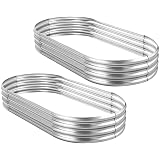
Land Guard 2Pcs Galvanized Raised Garden Bed Kit, Galvanized Planter Oval Large Metal Raised Garden Boxes Outdoor for Vegetables…
$39.99 (as of 12:59 GMT -05:00 - More infoProduct prices and availability are accurate as of the date/time indicated and are subject to change. Any price and availability information displayed on [relevant Amazon Site(s), as applicable] at the time of purchase will apply to the purchase of this product.)
Now retrieving an image set.
Plant & Plot Galvanized Raised Garden Beds Outdoor // 4×2×1 ft Planter Raised Bed for Gardening, Vegetables, Flowers // Large Metal Garden Box (Silver) // Patented Tool-Free Design
$26.97 (as of 12:59 GMT -05:00 - More infoProduct prices and availability are accurate as of the date/time indicated and are subject to change. Any price and availability information displayed on [relevant Amazon Site(s), as applicable] at the time of purchase will apply to the purchase of this product.)- 1. Observe and Interact with Your Environment
- 2. Build Soil Fertility Naturally
- 3. Implement Water Harvesting Techniques
- 4. Design Your Garden with Zones and Patterns
- 5. Diversify Plant Selection for Resilience
- 6. Use Companion Planting Strategies
- 7. Incorporate Mulching for Moisture Retention
- 8. Create Windbreaks and Microclimates
- 9. Practice No-Dig Gardening Methods
- 10. Continually Observe, Adapt, and Evolve
1. Observe and Interact with Your Environment
Understanding Your Siteâs Unique Conditions
Before diving into any permaculture gardening methods, it’s essential to spend time observing your landscape. Take note of patterns in sunlight, shade, wind flow, and water runoff. In 2025, data shows that successful permaculture gardens start with keen observationsâthis helps you tailor strategies that harmonize with local conditions. For example, noticing a shaded corner might inspire you to select shade-tolerant plants, reducing the need for artificial interventions.
Interact with your soil, plants, and local wildlife. Over time, you’ll learn which areas thrive naturally and which need enhancement. This understanding allows for more effective implementation of permaculture gardening methods, promoting ecological balance and sustainability. Remember, the goal is to mimic natural ecosystems as closely as possible.
Practicing regular observation can reveal microclimates and subtle changes across seasons. In 2025, using tools like soil moisture sensors or drone imaging is becoming increasingly popular to gather detailed landscape data. These insights help you make smarter decisions about plant placement, water management, and design for resilience.
Engaging with Nature for Better Design
Interaction isn’t just about observation; it involves actively engaging with the land. Spend time working in your garden, feeling the soil, and noting what works naturally. This direct engagement fosters a deeper connection and intuition for applying permaculture gardening methods effectively.
This approach aligns with the permaculture ethic of care for earth and people, emphasizing a respectful and observant relationship. In 2025, community-based programs and workshops are often focused on ecological literacy, helping gardeners develop better site-specific strategies.
By involving yourself deeply with your landscape, you can design systems that support biodiversity, improve soil health, and conserve waterâkey principles of permaculture gardening methods.
2. Build Soil Fertility Naturally
Composting and Mulching Techniques
Healthy soils are the foundation of productive permaculture gardens. Instead of relying on synthetic fertilizers, focus on building soil fertility naturally through composting. Compost adds vital nutrients back into the soil, creating a rich environment for plants to thrive.
Mulching is another powerful permaculture gardening method that protects soil, retains moisture, and adds organic matter. In 2025, garden mulches made from local materials like straw, wood chips, or shredded leaves are more accessible and cost-effective than ever.
Combine compost and mulch application regularly, at least twice a year, for optimal results. This approach not only improves plant health but also enhances soil microbial activity, vital for sustainable growth.
Using Cover Crops and Green Manures
Cover crops like clover, vetch, or legumes are excellent permaculture gardening methods for fixing nitrogen and preventing erosion. Planting these during off-season periods enriches the soil naturally and prepares it for future planting cycles.
In 2025, innovative green manure mixes are being developed to adapt to diverse climates. They improve soil structure, suppress weeds, and boost microbial diversityâkey factors for sustainable gardening.
Plan your cover crop rotations thoughtfully, integrating them into your design to maximize soil fertility without chemical inputs. This practice supports a resilient, self-sustaining garden system rooted in permaculture principles.
3. Implement Water Harvesting Techniques
Rainwater Collection Systems
Water management is critical in permaculture gardening methods, especially as climate patterns become more unpredictable in 2025. Installing rainwater harvesting systems, such as rain barrels or extensive gutter systems, helps capture and store precious water for dry periods.
Design your system with a gentle slope in mind, directing runoff toward storage containers or swales. This not only conserves water but also reduces erosion and improves groundwater recharge.
Incorporating simple first-flush diverters or slow-release watering devices increases efficiency, ensuring your plants get the right amount of water without waste. As an example, some permaculture designers combine rainwater harvesting with greywater reuse for an integrated approach.
Contour and Swale Implementation
Creating contour lines and swales on your landscape can significantly improve water infiltration and retention. These earthworks slow down runoff and direct water to plant roots or shallow basins where it can be absorbed gradually.
In practice, many in 2025 are using local terrain analysis tools to map optimal placement of swales and berms. This enhances water availability during dry seasons and supports resilient plant growth.
Pairing contour design with appropriate plantings elevates permaculture gardening methods, creating self-sustaining systems that require less supplemental watering over time.
4. Design Your Garden with Zones and Patterns
Understanding Zone Planning
Permaculture design emphasizes zoningâplacing the most frequently attended plants closest to your home. This minimizes labor and maximizes efficiency. For 2025, zone planning recognizes that smarter layouts improve productivity and sustainability.
Zone 1 might include herbs, salads, and medicinal plants, while zones further out are dedicated to trees, wildlife corridors, or food forests. This strategic placement fosters easy access and maintenance.
Take time to analyze sunlight, wind, and water flow when planning zones. Using permaculture principles, you can create a harmonious layout that balances production with ecological health.
Designing Patterns for Multifunctionality
Patterns such as spirals, mandalas, or fractals are not only visually appealing but also practical. They guide water flow, maximize sunlight exposure, and create microclimates beneficial for specific plants.
Implementing these patterns in your garden in 2025 aligns with the permaculture gardening methods that promote biodiversity and resilience. Incorporate swales, hugelkultur beds, and polycultures in these designs for multifunctional benefits.
A thoughtful pattern-based approach helps you develop a resilient landscape that supports ecological balance and produces abundant yields.
5. Diversify Plant Selection for Resilience
Creating a Polyculture System
Moving away from monocultures toward diverse plant communities is a key permaculture gardening method. Polycultures reduce pest outbreaks, improve soil health, and enhance ecosystem stability. In 2025, data indicates that diversified gardens outperform single-species plots by up to 30% in yield and resilience.
Plant different species that complement each otherâsome fix nitrogen, others attract beneficial insects, and some suppress weeds. This layered approach results in a resilient and productive garden.
For example, combining fruit trees with understory shrubs and ground covers maximizes space and ecological function, creating a mini-ecosystem.
Incorporating Native and Permaculture-Approved Species
Using native plants supports local biodiversity and reduces maintenance. Pairing native species with permaculture-approved non-invasive plants fosters resilience and adaptation to local climate conditions.
Research from 2025 shows that native plants require 50% less water and fertilizer, making them ideal for sustainable permaculture gardening methods. Plus, they attract native pollinators and beneficial insects, enhancing overall garden health.
Consider a mix of perennial and annual native species tailored to your regional climate for a productive, low-input garden designed for the future.
6. Use Companion Planting Strategies
Pairing Plants for Pest Control and Pollination
Companion planting is a cornerstone of permaculture gardening methods. By pairing plants strategically, you can repel pests and attract pollinators naturally. For example, basil planted near tomatoes deters pests, while flowering calendula attracts beneficial insects.
Get a free subscription to PREPARE – with more gardening and homesteading tips!
In 2025, digital tools and databases make it easier to identify effective plant allies tailored to your gardenâs specifics. This reduces reliance on chemical pesticides, supporting ecological health.
Implementing companion planting in your design enhances plant health, increases yields, and promotes biodiversity.
Layering and Guild Building
Guilds are functional groupings of plants that support each otherâs growth. By creating plant guildsâlayers of canopy, herbaceous, root, and ground coverâyou maximize space and ecological interactions.
This permaculture gardening method optimizes nutrient cycling, pest control, and microclimate management. For instance, a fruit tree guild might include nitrogen-fixing shrubs, aromatic herbs, and ground covers.
Designing with guilds ensures a resilient, self-sustaining system that requires minimal intervention over time.
7. Incorporate Mulching for Moisture Retention
Effective Mulching Materials and Techniques
Mulching is a simple yet transformative permaculture gardening method to conserve moisture, suppress weeds, and improve soil health. Organic mulches like straw, wood chips, or shredded leaves decompose over time, enriching the soil.
In 2025, sustainable mulching practices emphasize local materials and minimal-till methods to preserve soil structure and microbial life.
Apply a thick layer of mulchâabout 2-4 inchesâaround plants to maintain consistent moisture levels during dry spells or droughts.
Mulch Maintenance and Rotation
Regularly replenish mulch layers to maintain their effectiveness. In addition, rotating mulch sources prevents the accumulation of pests or diseases. Mulch layers can be topped up seasonally or as needed.
Monitoring soil moisture and plant health helps determine the right timing for mulch maintenance. This ongoing care aligns with permaculture principles of observation and adaptation.
Mulching not only conserves water but also encourages healthy soil microbial communities, leading to more vigorous plant growth.
8. Create Windbreaks and Microclimates
Designing Natural Windbreaks
Wind can be a major challenge for gardens, especially in open areas. Building natural windbreaks using shrubs, trees, or constructed barriers helps protect plants and create microclimates.
In 2025, permaculture gardening methods incorporate movable or layered windbreaks to maximize flexibility and ecological benefits, such as providing habitat for wildlife.
Strategic placement of windbreaks reduces moisture loss and strengthens plant resilience against storms and droughts.
Utilizing Microclimates for Extended Growing Seasons
Microclimatesâsmall areas with distinct climatic conditionsâcan be harnessed to grow crops that might not otherwise thrive locally. For example, south-facing walls can warm soil in cooler months.
By designing around these microclimates, you can extend your growing season, improve yields, and experiment with diverse permaculture gardening methods in 2025.
Overlaying windbreaks with sun-traps and frost pockets ensures optimal microclimate creation tailored to your gardenâs needs.
9. Practice No-Dig Gardening Methods
Benefits of No-Dig Approaches
No-dig gardening is a permaculture gardening method that preserves soil structure, enhances microbial life, and reduces labor. Instead of tilling, you add compost and mulch on top of existing soil, allowing natural processes to work.
Research in 2025 shows that no-dig systems improve soil carbon storage and support biodiversity above and below ground. This method aligns perfectly with sustainable permaculture principles.
Incorporate layers of organic matter regularly and avoid disturbing the soil to foster a thriving ecosystem.
Implementing No-Dig Systems Effectively
Start with a thick layer of compost or mulch around your plants. Over time, add more organic matter to build topsoil naturally. This creates a resilient garden system that needs less watering and fertilizer.
Using no-dig methods also reduces weeds, as the organic mulch suppresses seed germination. This simplifies garden maintenance and encourages self-sustaining growth.
Consistency and patience are key. As your no-dig system matures, it becomes a fertile, healthy environment thriving with beneficial insects and microbial life.
10. Continually Observe, Adapt, and Evolve
Monitoring and Learning from Your Garden
Successful permaculture gardening methods depend on ongoing observation and adaptation. Regularly check plant health, soil conditions, and pest populations. In 2025, integrating digital data collection tools can streamline this process.
Use your observations to tweak your design, plant choices, or water management strategies. Flexibility and responsiveness ensure your garden remains resilient and productive over time.
Listening to nature’s signals allows you to evolve your permaculture system, maintaining harmony and sustainability.
Community Learning and Sharing
Join local permaculture groups or online forums to exchange ideas, troubleshoot issues, and learn new techniques. Collective knowledge accelerates growth and innovation.
In 2025, community-based permaculture projects demonstrate that shared experiences enhance the effectiveness of permaculture gardening methods for everyone involved.
Practicing continuous learning ensures your landscape adapts to changing conditions and aligns with the evolving principles of sustainable gardening.
Conclusion
Adopting these 10 effective permaculture gardening methods will help you transform your landscape into a resilient, productive, and sustainable space by 2025. From initial observation to continual adaptation, each technique embodies the core permaculture principles of working with nature rather than against it. Embracing the right permaculture gardening methods not only benefits your garden but also supports ecological health, biodiversity, and climate resilience. Start implementing these strategies today, and watch your landscape flourish in the years to come!
Frequently Asked Questions
- What are permaculture gardening methods?
- Permaculture gardening methods are sustainable design principles that mimic natural ecosystems to create productive, resilient, and eco-friendly gardens.
- How can I start with permaculture gardening in 2025?
- Begin by observing your land, applying soil-building techniques, and designing your garden with zones and polycultures. Education and community involvement are also key.
- Are permaculture gardening methods suitable for small spaces?
- Absolutely! Many permaculture principles are adaptable to small yards, balconies, or permaculture beds, maximizing productivity in limited areas.
- How does permaculture gardening help combat climate change?
- By promoting soil health, water conservation, and biodiversity, permaculture gardening methods reduce resource use and enhance ecological resilience, contributing to climate mitigation.
- What are the best water-saving permaculture gardening methods for 2025?
- Water harvesting, contour planting, mulching, and creating microclimates are among the most effective strategies to conserve water and support drought resilience.
Get a free subscription to PREPARE – with more gardening and homesteading tips!
Related Content
- Zamboanga Sibugay town struggles with trash as EMB shuts down dumpsite
- State Law Expands Composting Programs Across California – KPIX
- St. Paul residents track food waste in new city program
- 5 Sustainable Garden Ideas to Make Your Home a Little Greener – Green Matters
- Swiss company helps recycle Morocco’s organic waste | Africanews