Now retrieving an image set.
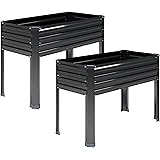
DIIYIV 2PCS Galvanized Raised Garden Bed with Legs,2PCS 48×18×30in Elevated Planter Box for Backyard,Garden, Patio, Balcony, 300lb Capacity,Planters for Outdoor Plants,Black
$89.99 (as of 12:58 GMT -05:00 - More infoProduct prices and availability are accurate as of the date/time indicated and are subject to change. Any price and availability information displayed on [relevant Amazon Site(s), as applicable] at the time of purchase will apply to the purchase of this product.)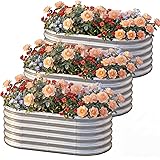
Now retrieving an image set.
AHEONLAR 3 Pack 4×2×1.5ft Galvanized Raised Garden Beds Outdoor, Sturdy Planter Boxes for Vegetables, Fruits, Flowers and Plants, Easy Assembly, Silver
$89.99 (as of 08:19 GMT -05:00 - More infoProduct prices and availability are accurate as of the date/time indicated and are subject to change. Any price and availability information displayed on [relevant Amazon Site(s), as applicable] at the time of purchase will apply to the purchase of this product.)
1. Planning Your Garden Layout in 2025
Understanding Your Space
Before diving into planting, it’s crucial to understand the space you have available for your raised bed garden. In 2025, innovative layout designs can maximize yield and accessibility. Consider sunlight patterns, existing structures, and drainage. A thoughtful layout helps in crop rotation, pest control, and efficient watering.
Start by measuring your garden area accurately. Use grid paper or digital planning tools to sketch out potential bed positions. Remember, a well-planned garden leads to higher productivity and fewer setbacks throughout the season.
For beginner gardeners, it’s best to start smallâperhaps one or two bedsâand expand as confidence and experience grow. As you plan, keep accessibility in mind, especially if you or family members have mobility concerns.
Choosing the Right Bed Size and Shape
In 2025, the trend leans towards modular raised beds that can be easily adapted or expanded. Typical sizes range from 4×4 ft to 4×8 ft, providing ample space for various crops while remaining manageable for maintenance.
Shape matters tooârectangular beds are standard, but in limited spaces, circular or hexagonal designs can add visual interest and optimize space usage. Larger beds reduce the number of edges, minimizing maintenance and weed infiltration.
Optimize your bed dimensions based on your planting goals, physical abilities, and available tools. For example, taller beds (around 24-36 inches) are excellent for reducing bending, making gardening accessible for all ages.
2. Selecting the Best Raised Bed Materials
Wood: The Classic Choice
In 2025, high-quality cedar remains a favorite for raised bed construction due to its durability and natural resistance to decay. Its aesthetic appeal also complements most garden styles. Cedar beds can last over a decade with proper care.
Other woods like pine are budget-friendly but may need treatment or replacement sooner. Always choose sustainably sourced options to support eco-friendly gardening practices.
If you opt for wooden beds, consider lining the interior with landscape fabric to prevent rot and soil leakage. Proper maintenance extends the lifespan of your raised beds and ensures a healthy growing environment.
Alternative Materials and Modern Innovations
In 2025, composite materials and recycled plastics have gained popularity for their longevity and low maintenance. They resist rot and pests better than traditional wood, making them ideal for long-term gardening investments.
Metal frames, especially galvanized steel, are durable and provide a contemporary look. Be aware of heat retention, which can impact plant roots in the summer months.
Creative options like repurposed shipping containers or reclaimed bricks offer eco-friendly and cost-effective solutions, adding personality and sustainability to your raised bed garden.
Get a free subscription to PREPARE – with more gardening and homesteading tips!
X. Seasonal Crop Rotation Strategies for 2025
Implementing crop rotation in your raised bed garden in 2025 optimizes nutrient use, reduces pest buildup, and improves soil health. Rotate families of vegetables, such as tomatoes, beans, and leafy greens, to maintain soil vitality and prevent disease.
Record-keeping is essential. Maintain a gardening journal detailing what was planted where and when to plan successful rotations season after season.
Adopting crop rotation principles ensures sustainable yields and a resilient garden ecosystem throughout 2025 and beyond.
Frequently Asked Questions about the raised bed garden planting guide
1. Why is a raised bed garden planting guide important for 2025?
A comprehensive raised bed garden planting guide for 2025 provides updated best practices, innovative materials, and design ideas that help gardeners maximize space and yield while minimizing maintenance and pests.
2. How deep should my raised beds be for vegetable planting?
Most vegetables thrive in beds that are at least 12 inches deep. For root crops like carrots or parsnips, consider depths of 18-24 inches to ensure proper growth and development.
3. What soil mix is best for raised bed gardening in 2025?
A balanced mix of compost, peat moss or coconut coir, and garden soil is recommended. Aim for a loose, well-draining soil that retains moisture while providing nutrients. Specific ratios may vary depending on crops.
4. How do I choose the right plants for my raised bed garden?
Consider your climate zone, available sunlight, and personal preferences. Refer to the latest 2025 planting guides for selecting high-yield, pest-resistant varieties tailored for your region.
5. Can I integrate smart watering systems in my raised bed garden?
Absolutely! Automated drip irrigation and moisture sensors are increasingly popular in 2025, providing efficient watering and conserving resources. Such systems help maintain optimal soil moisture levels for healthy plants.
Conclusion
Creating a successful raised bed garden in 2025 starts with a thorough understanding and planning guided by a comprehensive raised bed garden planting guide. By selecting the right materials, designing thoughtfully, and implementing expert tips, you set yourself up for a bountiful gardening season. Whether you’re a beginner or an experienced gardener, these insights will help you grow healthier, more productive plants. Remember, the key to gardening success in 2025 lies in preparation, adaptability, and continuous learning. Happy gardening!