Now retrieving an image set.
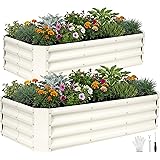
INNO STAGE 2Pcs Galvanized Raised Garden Bed Kit, 4x2x1FT Metal Raised Garden Beds for Vegetables, Rust-Resistant & Easy Assembly, Outdoor Raised Beds for Gardening, Flowers, Herbs (White)
$47.29 (as of 08:19 GMT -05:00 - More infoProduct prices and availability are accurate as of the date/time indicated and are subject to change. Any price and availability information displayed on [relevant Amazon Site(s), as applicable] at the time of purchase will apply to the purchase of this product.)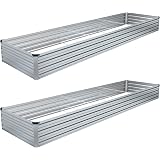
Now retrieving an image set.
DIIYIV 2PCS 12x4x1FT Galvanized Raised Garden Bed Kit,Vegetable Boxes-Rectangle Metal Flower Box,Large Planter Raised Beds Outdoor Garden for Planting,Fruit,Herb-Silver
$89.99 (as of 12:58 GMT -05:00 - More infoProduct prices and availability are accurate as of the date/time indicated and are subject to change. Any price and availability information displayed on [relevant Amazon Site(s), as applicable] at the time of purchase will apply to the purchase of this product.)Welcome to the definitive guide on soil preparation for vegetable gardening in 2025! Whether you’re a seasoned gardener or just starting out, properly preparing your soil is the foundation for a successful and bountiful harvest. In this comprehensive article, I’ll walk you through ten effective tips that will help you optimize your soil, ensure healthy plant growth, and maximize your vegetable yields this year and beyond.
Table of Contents
- 1. Assess Your Soil Type and Condition
- 2. Test Your Soil for Nutrients and pH
- 3. Improve Soil Drainage and Aeration
- 4. Incorporate Organic Matter
- 5. Use Cover Crops for Soil Fertility
- 6. Adjust pH Levels for Optimal Growth
- 7. Practice Crop Rotation and Soil Management
- 8. Minimize Soil Erosion and Compaction
- 9. Add Compost and Mulch Strategically
- 10. Maintain Soil Health Throughout the Growing Season
1. Assess Your Soil Type and Condition
Identify Your Soil Type
Understanding whether you have clay, sandy, loamy, or silty soil is crucial for effective soil preparation for vegetable gardening. Each type influences water retention, drainage, and nutrient availability. For instance, clay soils retain moisture well but can become compacted, while sandy soils drain quickly and may need more organic matter. Conduct simple tests by feeling the soil or performing jar tests to determine your soil type.
Knowing your soil type helps you choose the right amendments and cultivation techniques. For example, adding organic matter improves sandy soils by boosting moisture retention, while breaking up clay soils enhances aeration. In 2025, advancements in soil sensors make it easier than ever to analyze soil properties precisely at home or through local extension services.
Itâs also helpful to observe how your soil behaves after rainfall or watering. If water pools and drains slowly, your soil may be heavy or compacted, prompting targeted preparation measures. Regular assessment every season ensures your soil remains optimal for vegetable gardening success.
Evaluate Soil Condition and Texture
Beyond type, assessing the current condition of your soil allows you to tailor your preparation strategies effectively. Look for issues like compaction, composter buildup, or weed presence. Use a soil probe or simple sampling to check for compaction levels, which can hinder root growth and soil aeration.
Condition evaluation also involves checking for the presence of weed seeds, disease-causing organisms, or soil contamination. Removing weeds and pathogens before planting can improve crop health and yield. Modern soil conditioners in 2025 incorporate smart technology to help monitor and improve soil as part of an integrated gardening system.
By regularly assessing your soil, you’ll develop a proactive approach that keeps your garden thriving across seasons.
2. Test Your Soil for Nutrients and pH
Why Soil Testing Matters
Proper soil preparation for vegetable gardening in 2025 hinges on understanding the nutrient levels and pH of your soil. Testing provides vital data on deficiencies or excesses and guides amendments, saving you time and resources. In recent years, at-home testing kits have become more accurate and affordable, enabling gardeners to get quick results.
Research indicates that a balanced pH (around 6.0 to 7.0) promotes optimal nutrient uptake for most vegetables. Acidic soils may require lime, while alkaline soils may benefit from sulfur or peat moss. Knowing your soil’s starting point allows you to customize your preparation plan effectively.
Many local agricultural extension offices offer comprehensive soil testing services as well, often at little to no cost in 2025, making professional analysis accessible and reliable for backyard gardeners.
Interpreting and Using Soil Test Results
Once you receive your soil test report, focus on key nutrients like nitrogen, phosphorus, and potassium. Balancing these elements can significantly improve plant growth and yields. For example, adding compost or organic fertilizers can boost nitrogen levelsâa critical nutrient for leafy greens and tomatoes.
If your soil is too acidic or alkaline, amendments like lime or sulfur respectively will help rectify pH imbalances. Adjustments should be made gradually, with re-testing after several weeks to ensure optimal levels before planting.
In 2025, integrating soil testing into your routine garden planning ensures healthier plants and higher productivity, turning soil preparation into a science-backed process.
3. Improve Soil Drainage and Aeration
Benefits of Proper Drainage
Good drainage is vital for healthy vegetable roots and prevents issues like root rot and fungal diseases. Compacted or heavy clay soils often hinder water movement, leading to waterlogged roots. To improve drainage, incorporate organic matter such as compost or aged manure, which create air pockets and enhance pore size.
In 2025, new biochar products offer innovative solutions for increasing soil porosity and water retention simultaneously. These environmentally friendly amendments help maintain steady moisture levels while preventing water from pooling around roots.
Furthermore, raised beds are an excellent technique for improving drainage in poorly-draining soils. Elevating your planting area allows excess water to escape, creating a healthier environment for your vegetables.
Enhancing Soil Aeration
Soil aeration involves increasing oxygen availability to roots, which promotes nutrient uptake and microbial activity. Core aerators or manual tools help loosen compacted soil and improve airflow. Aeration is especially important in densely planted or heavily worked soils.
In 2025, smart aeration tools with sensors can monitor oxygen levels in the soil in real-time, guiding precise aeration schedules. This technology helps maintain optimal conditions throughout the growing season.
Regularly aerating your soil before planting and during the season ensures that your vegetables have access to the necessary oxygen levels for vigorous growth.
Get a free subscription to PREPARE – with more gardening and homesteading tips!
4. Incorporate Organic Matter
Types of Organic Matter for Gardening
Adding organic matter is one of the most effective steps in soil preparation for vegetable gardening. Compost, aged manure, leaf mold, and green manure crops enrich the soil with nutrients and improve structure. Organic matter enhances moisture retention, adds vital nutrients, and fosters beneficial microbial activity.
In 2025, composting techniques have advanced with the development of vermicomposting and bio-catalytic composters, making it easier for gardeners to produce rich, nutrient-dense compost at home. Incorporating 2-3 inches of compost into your beds before planting is a good rule of thumb.
Green manure crops, such as clover or vetch, can be planted in off-season periods and tilled into the soil to naturally boost organic content and nitrogen levels.
Best Practices for Incorporating Organic Matter
To maximize benefits, spread organic matter evenly across your soil surface and mix it well into the topsoil. Covering beds with mulch afterwards helps retain moisture and suppress weeds. In 2025, robotic and automated tillers assist in mixing organic amendments efficiently, especially in larger gardens.
Timing is keyâadding organic matter at least 2-3 weeks before planting gives microbes enough time to break it down into accessible nutrients.
Regular addition of compost throughout the season sustains soil health, leading to stronger, more productive vegetables.
5. Use Cover Crops for Soil Fertility
Popular Cover Crops for Vegetable Gardens
Cover crops serve as natural soil conditioners, preventing erosion, suppressing weeds, and fixing nitrogen. In 2025, popular choices include clover, vetch, rye, and peas. These crops enrich the soil with organic matter and improve its structure after tilling under.
Planting cover crops in the fall or during off-seasons ensures your garden soil remains productive year-round. They also promote beneficial microbial populations, which support plant health during the main growing season.
For instance, peas and vetch are leguminous and can increase nitrogen levels naturally, reducing the need for synthetic fertilizers.
Best Practices for Cover Crop Management
Proper planting timing, seeding density, and termination methods are essential for maximizing benefits. In 2025, new seed drills and drone technology help in precise seeding over large areas, saving time and effort.
Once established, cut the cover crop before it sets seed and till it into the soil to decompose slowly, releasing nutrients. Alternatively, some gardeners use it as mulch or green manure, enriching soil without disturbing established root systems.
Implementing cover crops regularly significantly enhances soil fertility, supporting robust vegetable growth.
Conclusion
Mastering soil preparation for vegetable gardening is the cornerstone of a successful garden in 2025. By assessing your soil, testing and balancing nutrients, improving drainage and aeration, adding rich organic matter, utilizing cover crops, and ongoing soil health management, you set the stage for thriving vegetables and abundant harvests. Remember, the effort you invest now will pay off with healthier plants and more bountiful yields. Keep soil health front and center, and your garden will flourish all year long.
Frequently Asked Questions
1. Why is soil preparation for vegetable gardening important?
Soil preparation ensures your garden soil has the right structure, nutrients, and pH to support healthy vegetable growth. Properly prepared soil promotes stronger plants, better yields, and reduces disease risk.
2. How often should I test my soil in 2025?
Ideally, test your soil at least once a year, especially before planting seasons. In 2025, consider more frequent testing if you garden intensively or experiment with different amendments.
3. What are the best organic amendments for soil preparation?
Compost, aged manure, green manure crops, and biochar are excellent organic amendments. They improve soil fertility, structure, and microbial activity, supporting healthy vegetable growth.
4. How can I improve soil drainage for vegetable gardening?
Improve drainage by adding organic matter, creating raised beds, and avoiding compacting soil. You can also install drainage tiles if necessary, especially in clay-heavy soils.
5. What are some common mistakes in soil preparation for vegetable gardening?
Common mistakes include neglecting soil testing, overusing chemical fertilizers, compacting soil, and not adding enough organic matter. Avoid these to promote a healthy, productive garden.