Now retrieving an image set.
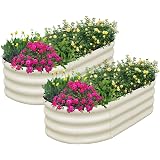
SnugNiture Galvanized Raised Garden Bed Outdoor, 2 Pcs 4x2x1ft Oval Metal Planter Box for Planting Plants Vegetables, White
$51.99 (as of 12:59 GMT -05:00 - More infoProduct prices and availability are accurate as of the date/time indicated and are subject to change. Any price and availability information displayed on [relevant Amazon Site(s), as applicable] at the time of purchase will apply to the purchase of this product.)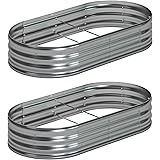
Now retrieving an image set.
Foxlang 8x4x1ft(2 Pack) Galvanized Oval Raised Garden Bed,Outdoor Planter Box Metal Patio Kit Planting Bed for Vegetables Flowers Herb,Silver
$65.99 (as of 12:59 GMT -05:00 - More infoProduct prices and availability are accurate as of the date/time indicated and are subject to change. Any price and availability information displayed on [relevant Amazon Site(s), as applicable] at the time of purchase will apply to the purchase of this product.)- 1. Composting for Rich Soil
- 2. Choosing Native Plants
- 3. Water-Conserving Techniques
- 4. Using Organic Fertilizers
- 5. Incorporating Permaculture Principles
- 6. Creating Pollinator-Friendly Habitats
- 7. Mulching for Moisture Retention
- 8. Sourcing Local and Organic Materials
- 9. Practicing Zero-Waste Gardening
- 10. Educating Yourself & Community Engagement
1. Composting for Rich Soil
Benefits of Composting in Sustainable Gardening Practices
Composting is at the heart of sustainable gardening practices. By transforming kitchen scraps and yard waste into nutrient-rich compost, we reduce landfill waste while enriching our soil naturally. In 2025, composting has become even more vital as urban areas emphasize waste reduction and sustainable resource use.
Healthy soil is essential for productive gardens. Compost improves soil structure, enhances its ability to retain nutrients and water, and reduces the need for synthetic fertilizers. As an experienced gardener, I’ve seen how composting leads to healthier plants and better yields without harming the environment.
Community composting programs are popping up everywhere, making it easier for gardeners to participate in sustainable waste management. Simple bins or tumblers can be incorporated into your garden to produce your own compost efficiently.
How to Start Composting at Home
Start by selecting a compost bin suitable for your spaceâwhether a simple backyard pile or a compost tumbler. Collect kitchen scraps like vegetable peelings, coffee grounds, and eggshells. Add yard waste such as leaves and grass clippings to balance nitrogen and carbon sources.
Maintain proper moisture and aeration to speed up composting. In about 3 to 6 months, you’ll have rich compost ready to enhance your garden beds. Avoid adding animal fats or diseased plant material to keep the process safe and odor-free.
Actionable Tips for Effective Composting
- Maintain a carbon-to-nitrogen ratio of approximately 30:1
- Turn your compost regularly to aerate it
- Keep the compost moist but not soggy
2. Choosing Native Plants
The Importance of Native Plants in Sustainable Gardening Practices
Native plants are adapted to the local climate and soil conditions, making them inherently more sustainable. They require less water, fertilizers, and pesticides, which aligns perfectly with sustainable gardening practices in 2025. For example, planting native wildflowers supports local ecosystems and pollinators.
In my experience, integrating native plants reduces maintenance costs and environmental impact. They are resilient against pests and diseases, so you spend less on chemical interventions and water resources, making your garden eco-friendly and cost-effective.
Additionally, native plants attract beneficial insects, birds, and pollinatorsâcreating a vibrant, balanced garden ecosystem that thrives naturally.
How to Select and Plant Native Species
Research native plants specific to your region. Local nurseries or extension services can guide you. Choose plants that suit your gardenâs light and moisture conditions for greater success.
When planting natives, prepare the soil properly by avoiding chemical fertilizers and pesticides. Incorporate organic matter to boost growth while maintaining sustainability goals.
Over time, native plants become established and require minimal care, making them a cornerstone of sustainable gardening practices in 2025.
3. Water-Conserving Techniques
Implementing Efficient Irrigation Methods
Water conservation is crucial in sustainable gardening practices, especially as climate change affects water availability. Drip irrigation and soaker hoses deliver water directly to the plant roots, reducing wastage by minimizing evaporation and runoff.
In 2025, automation systems with soil moisture sensors are becoming mainstream, providing plants with just the right amount of water. This smart technology saves water and optimizes plant health.
Covering soil with mulch further reduces evaporation, helping retain moisture during hot periods. For example, applying straw or shredded bark can cut watering needs by up to 50%.
Collecting and Reusing Water
Rainwater harvesting is a simple yet effective way to sustainably manage water resources. Installing rain barrels or underground storage systems allows you to collect runoff from rooftops for garden use.
Reusing greywater from sinks or washing machines is another strategy, provided proper filtration and safety measures are followed. These practices help reduce dependency on municipal water supplies and lower your ecological footprint.
Simple adjustments like watering early in the morning or late evening also promote water efficiency and support sustainable gardening practices in 2025.
4. Using Organic Fertilizers
Benefits of Organic Fertilizers in Sustainable Gardening Practices
Switching to organic fertilizers like composted manure, bone meal, or seaweed extract supports sustainable gardening practices by reducing chemical runoff and soil degradation. These natural nutrients feed plants without harming beneficial soil life.
Data shows that soil health improves significantly when organic fertilizers are used over synthetic options, leading to increased biodiversity and resilience in your garden ecosystem.
In 2025, organic fertilizers are more accessible and affordable, making eco-friendly gardening an achievable goal for everyone.
How to Incorporate Organic Fertilizers Effectively
Apply organic amendments during planting or as top dressing. Tailor your approach based on specific plant needs and soil tests for optimal results.
Mixing organic fertilizers into compost enhances their effectiveness and promotes balanced soil nutrition.
Remember, sustainable gardening practices are about working with nature, so avoid over-fertilizing to prevent nutrient runoff and pollution.
5. Incorporating Permaculture Principles
Designing a Self-Sustaining Garden System
Permaculture emphasizes creating garden designs that mimic natural ecosystems, reducing external inputs and fostering sustainability. By layering plants, integrating water features, and encouraging diversity, you can build a resilient garden in 2025.
For example, planting nitrogen-fixing cover crops alongside vegetables reduces fertilizer needs and improves soil health naturally.
Key permaculture principles include zones and sectors planning, which optimize land use for energy efficiency and plant productivity, aligning perfectly with sustainable gardening practices.
Implementing Permaculture Strategies
Start with observing your gardenâs microclimates and understanding natural patterns. Use companion planting to enhance pest control and growth.
Design your garden with water catchment systems, mulched beds, and diverse plant communities to create a thriving, low-maintenance ecosystem.
Permaculture encourages continuous learning and adaptation, making your garden not just sustainable but also increasingly productive over time.
6. Creating Pollinator-Friendly Habitats
Supporting Essential Ecosystem Services
Pollinators like bees, butterflies, and hummingbirds are vital for crop production and biodiversity. Creating habitats that attract and support these pollinators is a key sustainable gardening practice in 2025.
Planting native flowering plants, providing nesting sites, and avoiding pesticides create a safe environment for pollinators to thrive.
Get a free subscription to PREPARE – with more gardening and homesteading tips!
Research indicates that gardens with pollinator habitats can increase overall yield and garden resilience, reinforcing the importance of this practice.
Effective Habitat Design Tips
Design flower beds with a variety of bloom times to ensure nectar availability throughout the growing season.
Include shrubbery, bee hotels, and undisturbed soil patches to offer shelter and nesting sites.
Limit the use of chemical pesticides and herbicides that can harm beneficial insects, adhering to sustainable gardening practices.
7. Mulching for Moisture Retention
Advantages of Mulching
Mulching conserves water, suppresses weeds, and moderates soil temperatureâall essential components of sustainable gardening practices. Organic mulches like straw, wood chips, or leaves break down over time, enriching the soil naturally.
Research from 2025 shows that mulching can reduce watering needs by up to 50%, making it a crucial practice in water-conscious gardens.
Mulch also prevents soil erosion and compaction, supporting long-term soil health and plant vigor.
Choosing the Right Mulch
Select mulch based on your garden type and climate. Organic options are best for improving soil while inorganic mulches are durable but do not add nutrients.
Apply a 2-3 inch layer around plants, keeping mulch a few inches away from plant stems to prevent diseases.
Renew mulch annually or as needed to maintain its effectiveness and promote sustainable gardening practices in 2025.
8. Sourcing Local and Organic Materials
Reducing Carbon Footprint with Local Materials
Using locally sourced plants, soil amendments, and gardening supplies minimizes transportation emissions and supports local economies. In 2025, this practice is more accessible thanks to growing networks of organic nurseries and suppliers.
Opting for organic seeds and planting stock reduces the risk of introducing pesticides or invasive species into your garden ecosystem.
This approach aligns with sustainable gardening practices by reducing environmental impact and fostering community resilience.
Where to Find Reliable Local and Organic Resources
Visit farmersâ markets, community-supported agriculture (CSA), and organic nurseries to find sustainable materials.
Join local gardening groups or online forums for recommendations and shared resources.
Always inquire about certifications and practices to ensure the authenticity of organic and local products.
9. Practicing Zero-Waste Gardening
Minimizing Waste in Your Garden
Zero-waste gardening involves reusing, recycling, and avoiding unnecessary packaging or single-use plastics. Composting organic waste, repurposing containers, and saving seeds help reduce landfill contributions.
In 2025, innovations in biodegradable packaging and plant care products support this sustainable practice, making it easier to operate waste-free gardens.
Simple habits like collecting rainwater, avoiding plastic pots, and using natural pest control limit waste and promote eco-friendly gardening.
Practical Zero-Waste Tips
- Save seeds from year to year for planting
- Use recycled or biodegradable plant containers
- Create compost from kitchen and garden waste
10. Educating Yourself & Community Engagement
The Role of Education in Sustainable Gardening Practices
Staying informed about the latest sustainable practices ensures your garden remains resilient and eco-friendly in 2025. Attend workshops, read books, and follow credible online sources dedicated to sustainable gardening.
Sharing knowledge within your community amplifies the impact, encouraging more people to adopt eco-friendly habits.
Engagement also opens opportunities for collective projects like community gardens, seed exchanges, and local conservation efforts.
How to Get Involved and Stay Informed
Join local gardening clubs, online forums, or social media groups focused on sustainability. Enroll in classes or workshops offered by horticultural organizations.
Follow trusted sources for updates, trends, and research findings related to sustainable gardening practices in 2025.
Remember, continuous learning fosters better practices and a stronger community committed to environmental stewardship.
Conclusion
Embracing these 10 effective sustainable gardening practices will help you create a vibrant, eco-friendly garden in 2025. From composting and native plants to water-saving techniques and community involvement, each step contributes to a healthier environment and more bountiful garden. Remember, the key to transforming your garden lies in consistent, mindful actions rooted in sustainability. By integrating these practices, you not only improve your gardenâs productivity but also promote a greener, more resilient planet for future generations.
Frequently Asked Questions (FAQs)
1. What are the best sustainable gardening practices for beginners?
Starting with composting, planting native plants, and adopting water-efficient irrigation are excellent entry points for beginners. These practices are low-cost and highly effective in promoting sustainability.
2. How can I make my garden more eco-friendly in 2025?
Incorporate native plants, practice composting, minimize chemical use, conserve water, and educate yourself about permaculture. These steps collectively enhance your gardenâs eco-friendliness.
3. Why is using organic fertilizers part of sustainable gardening practices?
Organic fertilizers support soil health, reduce chemical runoff, and foster biodiversity, making them a key component of sustainable gardening practices that protect environmental quality.
4. How does community engagement influence sustainable gardening?
Community involvement fosters shared knowledge, resources, and collective action, amplifying the impact of sustainable gardening practices and promoting environmental stewardship locally.
Get a free subscription to PREPARE – with more gardening and homesteading tips!
Related Content
- Planting Your First Herb Garden
- A Guy Told Me He Disposed of Dead Rats Via His Curbside Compost Bin. Is That Safe for Our …
- Riverside Park Opens Composting Site At 96th Street: Photos | Upper West Side, NY Patch
- Food Waste Composting Machine Market Recent Opportunities with Growth Forecasts by 2027 …
- Clean Water Action Council Hosts Composting Workshop