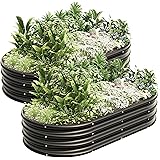


Kinddeer 4x2x1ft-2pcs-Oval Raised Garden Bed Kit, Galvanized Planter Garden Boxes Outdoor, Metal Raised Garden Beds for Vegetables,Fruits, Flower,Black
$39.99 (as of 10:09 GMT -05:00 - More infoProduct prices and availability are accurate as of the date/time indicated and are subject to change. Any price and availability information displayed on [relevant Amazon Site(s), as applicable] at the time of purchase will apply to the purchase of this product.)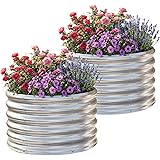


AHEONLAR 2 Pack 2x2x1.5ft Round Galvanized Raised Garden Bed Outdoor Metal Planter Box for Vegetables Steel Raised Beds for Gardening Silver
$44.99 (as of 10:07 GMT -05:00 - More infoProduct prices and availability are accurate as of the date/time indicated and are subject to change. Any price and availability information displayed on [relevant Amazon Site(s), as applicable] at the time of purchase will apply to the purchase of this product.)The beginner guide to growing eggplant in pots
Eggplant, with its glossy skin and rich flavor, can be a delightful addition to your home garden. If you’re looking to dive into container gardening, you’re in luck! This article serves as The beginner guide to growing eggplant in pots. Whether you’re a novice or have a green thumb, you’ll find valuable insights to cultivate your own delicious harvests.
Container gardening opens up a world of possibilities, especially for those with limited space. Growing eggplant in pots allows you to enjoy fresh produce right from your balcony or patio. In this beginner guide to growing eggplant in pots, we will cover everything from selecting the right pot to ensuring your plants thrive.
Let’s embark on this journey to transform your space into a mini vegetable paradise, starting with the essentials!
Choosing the Right Pot and Soil
Choosing the right pot and soil is crucial for successful eggplant cultivation. Here are some key considerations:
1. Pot Size Matters
Eggplants require sufficient space to grow their roots. A pot that is at least 12-14 inches in diameter is ideal. This size allows for proper root development, which is essential for nutrient uptake.
Consider these factors when selecting your pot:
– Material: Terracotta, plastic, or fabric pots all work well. However, ensure that they have drainage holes.
– Weight: If you plan to move your pots around, lighter materials may be more manageable.
2. Soil Selection
The right soil can make all the difference. Look for a high-quality potting mix that retains moisture yet drains well. Here’s what to consider:
– pH Level: Aim for a pH of 6.0 to 6.8.
– Nutrients: A mix containing compost or organic matter will provide essential nutrients.
By ensuring you have the right pot and soil, you set the stage for a thriving eggplant garden!
Planting Eggplant Seeds or Seedlings
Now that you have your pot and soil ready, it’s time to plant! Here’s how to proceed:
1. Starting from Seeds
If you prefer to start from seeds, follow these steps:
1. Timing: Start seeds indoors 8-10 weeks before the last frost date.
2. Planting Depth: Sow seeds about ¼ inch deep in seed trays or small pots.
3. Temperature: Maintain a warm environment (around 70-85°F) for germination.
2. Using Seedlings
For those who want faster results, purchasing seedlings is a great option. Here’s how to plant them:
1. Transplanting: When seedlings are 6-8 inches tall and have at least two sets of true leaves, they are ready to be transplanted.
2. Spacing: If planting multiple seedlings in one pot, ensure to space them 12-18 inches apart.
Understanding these basics is part of The beginner guide to growing eggplant in pots and sets the foundation for successful growth.
Caring for Your Eggplant in Pots
Caring for your eggplant involves regular maintenance to ensure healthy plant growth.
1. Watering
Eggplants thrive in moisture but dislike soggy soil. Here are tips for watering:
– Frequency: Water deeply once a week, adjusting based on weather conditions.
– Signs of Stress: Wilting leaves indicate the plant needs water, while yellowing leaves may suggest overwatering.
2. Fertilizing
Eggplants are heavy feeders. To support their growth:
– Type of Fertilizer: Use a balanced fertilizer (like 5-10-10) every 4-6 weeks during the growing season.
– Application: Apply according to package instructions and water afterward to prevent root burn.
These care techniques are key components of The beginner guide to growing eggplant in pots, ensuring your plants remain healthy and productive.
Common Pests and Problems
Even with proper care, eggplants can face challenges. Identifying and handling issues early is vital.
1. Pest Control
Common pests include:
– Aphids: Small insects that suck sap from plants.
– Flea Beetles: Tiny, jumping beetles that create holes in leaves.
Consider using organic pest control methods like neem oil or insecticidal soap to manage infestations.
2. Disease Management
Watch for signs of diseases such as:
– Powdery Mildew: A fungal disease that appears as white spots on leaves.
– Blight: Dark spots on leaves that may spread rapidly.
To prevent diseases, ensure good air circulation and avoid overhead watering. This can help maintain a healthy environment for your eggplants.
References and Resources
These resources provide valuable information about The beginner guide to growing eggplant in pots. Check them out for additional insights:
Authoritative Sources on The beginner guide to growing eggplant in pots
-
University of Minnesota Extension
extension.umn.eduComprehensive resources on vegetable gardening, including eggplant care and pest management.
-
The Old Farmer’s Almanac
almanac.comOffers planting advice and growing tips specifically for eggplants.
-
eXtension
extension.orgA national cooperative of agricultural extension services providing research-based information.
-
Gardening Know How
gardeningknowhow.comA resource for troubleshooting gardening problems and understanding pest management.
-
Clemson Cooperative Extension
clemson.eduProvides specific information on growing eggplants in various conditions.
-
Purdue University Horticulture
hort.purdue.eduResearch-based gardening practices and specific eggplant variety recommendations.
-
Vegetable Gardener
vegetablegardener.comA guide for home gardeners with tips on growing various vegetables, including eggplants.
Get a free subscription to PREPARE – with more gardening and homesteading tips!
-
University of Wisconsin Horticulture
hort.wisc.eduResearch-based insights into growing vegetables, including pest management strategies.
-
USDA Natural Resources Conservation Service
nrcs.usda.govProvides information on sustainable practices for gardening and farming.
Frequently Asked Questions
What is the best time to plant eggplant?
The best time to plant eggplant is after the last frost date in your area, typically in late spring. Ensure the soil temperature is at least 70°F for optimal growth.
How much sunlight do eggplants need?
Eggplants thrive in full sun, requiring at least 6-8 hours of direct sunlight daily to grow healthy and produce fruit.
Can I grow multiple eggplants in one pot?
Yes, you can grow multiple eggplants in one pot, but ensure they are spaced at least 12-18 inches apart to allow for proper growth and air circulation. This is an important aspect of The beginner guide to growing eggplant in pots.
What are common pests for eggplants in pots?
Common pests include aphids, spider mites, and flea beetles. Regularly inspecting your plants and applying organic pesticides when necessary can help manage these pests effectively.
How can I tell when my eggplants are ready to harvest?
Eggplants are ready to harvest when they are glossy and firm, typically 5-7 inches long, depending on the variety. Harvest before they turn dull or overly large, which can affect their taste.
Conclusion
In closing, The beginner guide to growing eggplant in pots has equipped you with essential knowledge from choosing the right pot to effective care and pest management. With the right techniques, you can enjoy bountiful harvests of this delicious vegetable right from your own home.
Now that you’re familiar with the basics, it’s time to take action! Start your container garden and experience the joy of growing your own eggplants. Remember, every journey starts with a single step, and soon, you’ll be reaping the rewards of your gardening efforts!