
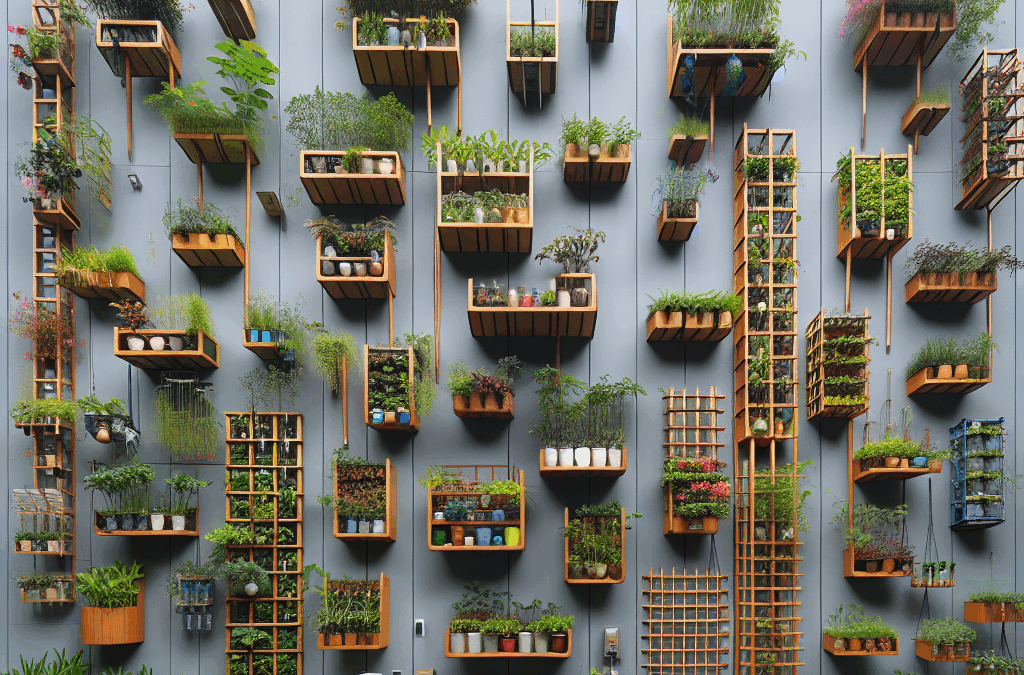
Potting soil is specifically formulated to be lightweight and breathable, making it ideal for container gardening. Additionally, incorporating organic matter not only enriches the soil but also enhances its water-holding capacity. Understanding the specific needs of your plants can help you adjust the soil mix for optimal growth.
Choosing the Right Potting Soil
When selecting potting soil, look for blends that are specifically designed for container gardening. These soils are often lighter and contain a mix of peat moss, coconut coir, and other organic materials that promote healthy root development. Additionally, some commercial potting soils come with added fertilizers, which can give your plants a nutrient boost right from the start.
Be cautious of using low-quality potting mixes that may contain fillers or synthetic materials. Instead, choose products that list natural ingredients to ensure your plants receive the best possible nutrition. Pay attention to the moisture retention properties of the soil; a good potting mix should hold moisture without becoming waterlogged.
Incorporating Organic Matter
Adding organic matter, such as compost or well-rotted manure, to your soil mix is crucial for enhancing nutrient content and improving soil structure. Organic matter helps retain moisture and provides beneficial microorganisms that support plant health. Aim for a mix that contains about 20-30% organic matter.
When sourcing organic materials, ensure they are free from pathogens or pesticides that could harm your plants. Homemade compost can be an excellent option, as it allows you to control the ingredients. Additionally, consider using worm castings, which are rich in nutrients and can significantly boost soil fertility.
Enhancing Drainage
Good drainage is vital for container gardens, as excess water can lead to root rot and other issues. To enhance drainage, incorporate materials like perlite, vermiculite, or coarse sand into your soil mix. These components create air pockets that prevent soil compaction and allow excess water to escape easily.
When mixing your soil, aim for a ratio of about 10-20% drainage materials. This will help maintain a balance between moisture retention and drainage, ensuring that your plants receive the water they need without becoming waterlogged. Regularly check the drainage in your containers and adjust the soil mix as necessary.
Common Mistakes to Avoid
One of the most common mistakes in container gardening is overwatering due to improper soil mix. Using garden soil or a dense potting mix can lead to poor drainage and root issues. Additionally, neglecting to amend the soil with organic matter can result in nutrient deficiencies over time.
Another pitfall is failing to account for the specific needs of your plants. Different plant species have varying requirements for soil texture and nutrient levels. Always research the plants you intend to grow and tailor your soil mix accordingly to ensure their success.
Frequently Asked Questions
What is the best soil mix for container gardening?
The ideal soil mix for container gardening includes potting soil, organic matter, and drainage materials like perlite or vermiculite.
How often should I change the soil in my container gardens?
It’s recommended to refresh the soil every year or every growing season to maintain nutrient levels and prevent compaction.
Can I use garden soil in containers?
Using garden soil is not advisable as it can compact and retain too much moisture, leading to root rot.
What can I add to improve drainage in container soil?
To improve drainage, add materials like perlite, vermiculite, or coarse sand to your potting mix.
Is organic matter necessary for container gardening?
Yes, organic matter is essential as it enriches the soil, improves moisture retention, and supports beneficial microorganisms.
Conclusion
In closing, crafting the best soil mix for thriving container gardens involves selecting a high-quality potting soil, incorporating organic matter, and ensuring proper drainage. By prioritizing these elements, you can create an ideal environment for your plants to flourish. Regularly assess your soil mix based on the specific needs of your plants and make adjustments as necessary. This proactive approach will lead to a successful and vibrant container garden.


