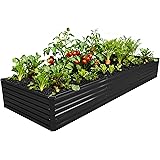

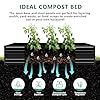


DIIYIV 12x4x1.5FT Galvanized Raised Garden Bed,Vegetable Boxes-Rectangle Metal Flower Box,Large Planter Raised Beds Outdoor Garden for Planting,Fruit,Herb-Black
$79.99 (as of 08:32 GMT -05:00 - More infoProduct prices and availability are accurate as of the date/time indicated and are subject to change. Any price and availability information displayed on [relevant Amazon Site(s), as applicable] at the time of purchase will apply to the purchase of this product.)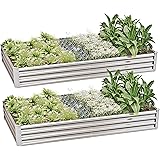

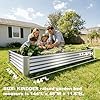


Kinddeer 8x4x1ft(2 Pack) Galvanized Raised Garden Bed Kit, Galvanized Planter Garden Boxes Outdoor, Metal Raised Garden Beds for Vegetables,Fruits, Flower,Silver
$61.88 (as of 10:09 GMT -05:00 - More infoProduct prices and availability are accurate as of the date/time indicated and are subject to change. Any price and availability information displayed on [relevant Amazon Site(s), as applicable] at the time of purchase will apply to the purchase of this product.)The easiest vegetables to grow in clay soil
Growing vegetables can be a rewarding experience, but it can also come with its challenges—especially when dealing with clay soil. Clay soil, notorious for its compact nature and poor drainage, can be a gardener’s nightmare. However, if you know what to plant, you can still enjoy a thriving garden. We’ll take a closer look at The easiest vegetables to grow in clay soil and provide you with insights to ensure a fruitful harvest.
The first step in cultivating success in your garden is understanding clay soil. It often traps moisture and can become quite dense, making it difficult for roots to penetrate. Yet, with the right choice of crops, you can easily navigate these challenges. Here, we’ll highlight The easiest vegetables to grow in clay soil that will thrive even in less-than-ideal conditions. By the end, you’ll be well-equipped to transform your clay soil into a productive garden bed.
Understanding Clay Soil
Clay soil is characterized by its small particles that are tightly packed together. This composition leads to excellent nutrient retention but poor drainage. Here are some key features of clay soil:
– Nutrient-Rich: Holds nutrients well, making it fertile.
– Compact: Can be hard to work with, as it tends to become very dense.
– Water Retaining: Often retains too much moisture, especially after heavy rainfall.
– Temperature Regulation: Typically warms up slowly in the spring, delaying planting times.
Understanding these characteristics is crucial for selecting the right crops. Certain plants are more tolerant of clay soil and can thrive where others may struggle.
The Easiest Vegetables to Grow in Clay Soil
When it comes to determining The easiest vegetables to grow in clay soil, specific crops stand out for their resilience and adaptability. Here are some top contenders:
1. Root Vegetables
Root vegetables are typically well-suited for clay soil due to their ability to push through compacted earth. Here are a few examples:
– Carrots: While they prefer looser soil, shorter varieties can adapt to clay.
– Potatoes: Thrive in clay soil, provided there’s enough organic matter mixed in.
– Beets: They can grow well in clay but may require some loosening of the soil.
These vegetables not only grow well but also provide a bountiful harvest if cared for properly.
2. Brassicas
Brassicas, or cruciferous vegetables, are another great option for clay soil. They flourish in nutrient-rich environments and can tolerate some moisture. Consider these:
– Cabbage: Thrives in heavy soils, especially if well-composted.
– Broccoli: Can handle compacted soil and is a nutritious addition to your garden.
– Kale: This hardy green grows well in clay and is a great choice for cooler seasons.
These vegetables not only add variety to your plate but also bring exceptional health benefits.
3. Legumes
Legumes are known for their ability to improve soil health and can be surprisingly easy to grow in clay soil. Popular choices include:
– Beans: Various types, such as bush beans, adapt well to clay conditions.
– Peas: They thrive in cooler weather and can help fix nitrogen in the soil.
Incorporating legumes into your garden can enhance soil fertility while providing delicious harvests.
Tips for Successful Gardening in Clay Soil
To maximize your success with The easiest vegetables to grow in clay soil, consider these practical tips:
1. Amend Your Soil: Adding organic matter like compost can significantly improve soil structure and drainage.
2. Use Raised Beds: If possible, create raised beds to help with drainage and ease of planting.
3. Mulching: Apply a layer of organic mulch to help retain moisture and suppress weeds.
4. Crop Rotation: Practice crop rotation to prevent nutrient depletion and pest buildup.
These strategies will not only enhance the condition of your clay soil but also contribute to healthier plants.
Common Challenges and Solutions
While growing The easiest vegetables to grow in clay soil has its benefits, there are challenges to be aware of:
– Water Logging: Excessive moisture can lead to root rot. Ensure proper drainage by amending soil or using raised beds.
– Compaction: Regularly aerate the soil to promote root growth and improve water infiltration.
– Weed Growth: Clay soil can promote certain weeds. Regular maintenance and mulching can help manage this issue.
By being proactive about these potential challenges, you can cultivate a thriving garden even in clay soil conditions.
References and Resources
These resources provide valuable information about The easiest vegetables to grow in clay soil. Check them out for additional insights:
Authoritative Sources on The easiest vegetables to grow in clay soil
-
University of Minnesota Extension
extension.umn.eduOffers comprehensive guides on gardening, including tips for growing vegetables in clay soil.
-
National Gardening Association
garden.orgProvides resources and articles focusing on vegetable gardening in various soil types.
-
USDA Forest Service
fs.usda.govFeatures information on soil types and their management for sustainable gardening.
-
eXtension
extension.orgA collaborative platform providing research-based gardening resources, including soil management.
-
Gardener’s Supply Company
gardeners.comOffers practical advice and tools for gardening, including soil amendment solutions.
-
Purdue University Horticulture
hort.purdue.eduEducational resources on soil types and best practices for growing vegetables.
Get a free subscription to PREPARE – with more gardening and homesteading tips!
-
The Old Farmer’s Almanac
almanac.comA trusted resource for planting advice and soil improvement techniques.
-
Royal Horticultural Society
rhs.org.ukProvides gardening advice, including how to handle different soil types for vegetable growth.
Frequently Asked Questions
What are the easiest vegetables to grow in clay soil?
The easiest vegetables to grow in clay soil include root vegetables like carrots and potatoes, brassicas such as cabbage and broccoli, and legumes like beans and peas. These crops are resilient and can thrive even in challenging conditions.
How can I improve clay soil for vegetable gardening?
Improving clay soil involves adding organic matter, such as compost, to enhance its structure and drainage. Additionally, using raised beds and mulching can help manage moisture levels and promote healthy root growth.
Can I grow tomatoes in clay soil?
Tomatoes can be grown in clay soil, but they require well-draining conditions. Amending the soil with compost and ensuring proper drainage will significantly enhance their chances of thriving.
What vegetables should I avoid growing in clay soil?
Vegetables that require well-drained soil, like carrots and radishes, may struggle in heavy clay. It’s best to avoid delicate root crops and focus on those that can tolerate denser environments.
Are there any benefits to growing vegetables in clay soil?
Yes, clay soil is nutrient-rich and can retain moisture effectively. With the right amendments, it can provide an excellent growing environment for various vegetables, particularly those tolerant of less-than-ideal conditions.
Conclusion
Cultivating a garden in clay soil may seem daunting, but understanding The easiest vegetables to grow in clay soil can lead to thriving harvests. By selecting resilient crops like root vegetables, brassicas, and legumes, you can transform your gardening experience.
Remember that improving your soil with organic matter, practicing crop rotation, and addressing common challenges are vital steps to success. Embrace the potential of your clay soil, and you will not only cultivate success but also enjoy the fruits of your labor. Whether you’re a seasoned gardener or just starting, there’s always something rewarding about growing your own food.