
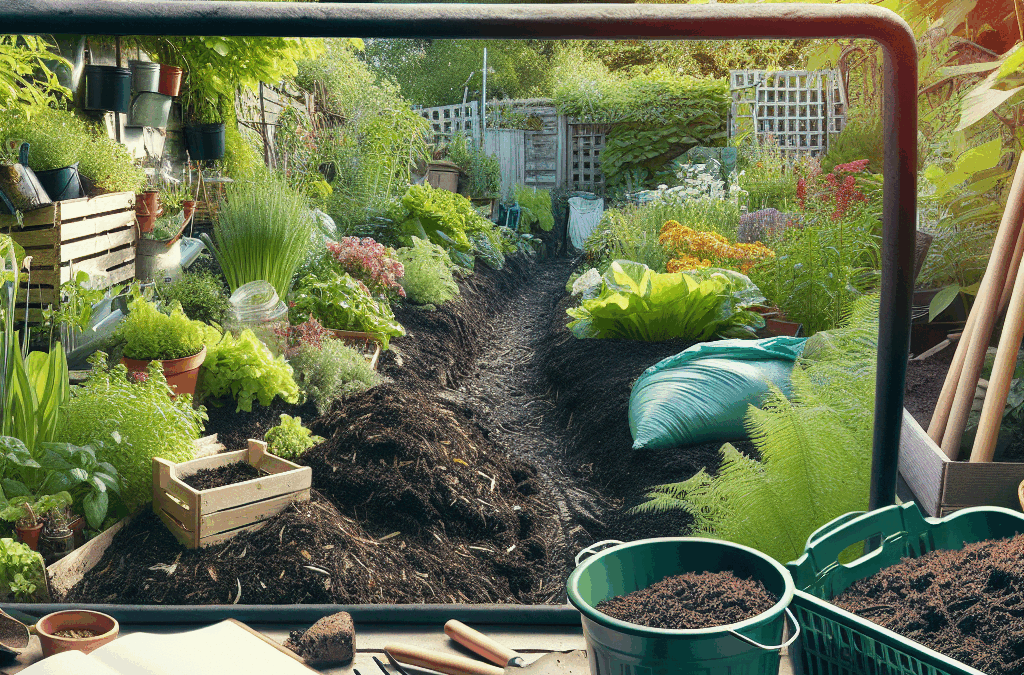
The easiest way to start a cottage garden is to select a mix of perennial and annual plants that thrive in your local climate, ensuring they complement each other. Begin by sketching your garden layout, incorporating pathways for accessibility and arranging plants by height for visual depth. A common mistake is overcrowding, which can hinder growth and air circulation; therefore, ensure adequate spacing based on each plant's mature size. Additionally, enrich your soil with compost to provide essential nutrients, fostering a vibrant and healthy garden environment.
Choosing the Right Plants
Selecting the right plants is crucial for starting a successful cottage garden. Opt for a mix of perennials and annuals that flourish in your local climate. Consider flowers like daisies, hollyhocks, and lavender, as they not only add color but also attract beneficial pollinators. When choosing herbs, options like rosemary, thyme, and chives can complement your floral selections while being functional in the kitchen.
Common mistakes include selecting plants without considering their growth habits and light requirements. To avoid this, research each plant’s needs and create a list tailored to your garden’s specific conditions. Group plants with similar watering and sunlight needs together to enhance growth and reduce maintenance challenges.
Planning Your Layout
A well-planned layout is essential for a thriving cottage garden. Start by sketching your garden on paper, taking into account the available space and sunlight patterns. Incorporate paths to allow easy access for maintenance and enjoyment. Use a layered approach by planting taller plants at the back and shorter ones in front, creating a visually appealing depth.
Additionally, consider incorporating focal points like birdbaths or trellises to enhance the garden’s charm. A common oversight is overcrowding plants, which can lead to poor air circulation and increased disease risk. To prevent this, ensure adequate spacing based on each plant’s mature size.
Soil Preparation and Maintenance
Proper soil preparation is vital for the health of your cottage garden. Start by testing your soil to understand its pH and nutrient levels, which will guide your amendments. Incorporating organic matter such as compost not only improves soil structure but also provides essential nutrients for your plants.
Regular maintenance includes mulching to suppress weeds and retain moisture. Pay attention to watering needs, especially in the initial growth stages. A common mistake is neglecting soil health; maintaining proper pH and nutrient levels will support vigorous plant growth and flowering.
Creating Visual Appeal
To create a visually appealing cottage garden, focus on color schemes and plant combinations. Choose a palette that harmonizes well, incorporating a mix of textures and heights. Use contrasting colors to draw the eye and create interest throughout the growing season.
Incorporate seasonal blooms to ensure continuous color, and consider planting for fall interest with varieties like asters and ornamental grasses. Be mindful of the garden’s overall design; a common pitfall is neglecting seasonal changes, which can lead to a garden that lacks vibrancy during certain times of the year.
Frequently Asked Questions
What is a cottage garden?
A cottage garden is a style of garden characterized by its informal layout, diverse plant selection, and emphasis on flowers and herbs, often creating a lush, charming appearance.
How much space do I need for a cottage garden?
A cottage garden can be adapted to various sizes, from small urban plots to larger rural spaces. The key is to prioritize plant diversity and layout efficiency.
Can I start a cottage garden in containers?
Yes, cottage gardens can thrive in containers. Choose appropriate plants that suit container growing and ensure they receive adequate light and water.
What are the best plants for a cottage garden?
Popular choices include roses, foxgloves, and lavender, as they provide color, fragrance, and attract pollinators, enhancing the garden's beauty and functionality.
How do I maintain a cottage garden?
Maintenance involves regular watering, deadheading flowers, and managing weeds. Additionally, monitoring soil health and providing seasonal care will keep the garden vibrant.
Conclusion
Starting a cottage garden requires careful plant selection, thoughtful layout planning, and diligent soil preparation. By combining vibrant flowers with practical herbs and ensuring a visually appealing design, your garden can thrive and become a cherished outdoor space. Focus on maintaining soil health and plant diversity to ensure long-term success and enjoyment.


