
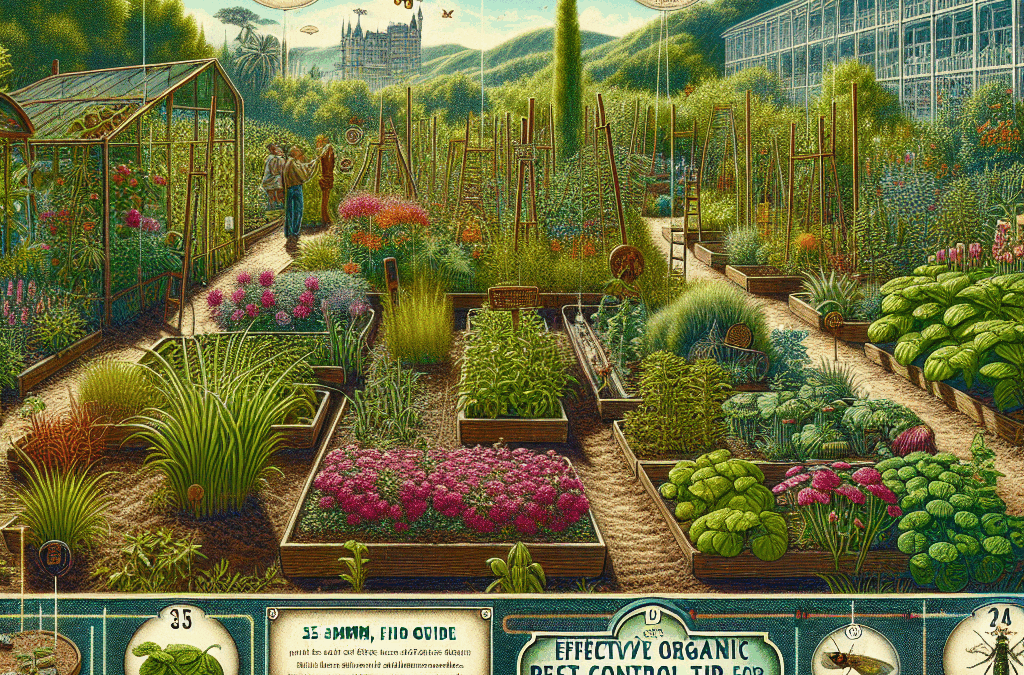
One common mistake is to overcrowd your garden with too many plants. Instead, prioritize a balanced distribution of plants, allowing adequate space for each to grow. Consider using a combination of vertical and horizontal layering to maximize visual appeal while ensuring that sunlight reaches all plants. Incorporating paths or borders can also enhance the garden’s aesthetic and accessibility.
Additionally, understanding your local climate and soil conditions is crucial. Many new gardeners overlook the importance of soil health, which can dramatically affect plant growth. Conducting a soil test can help determine pH levels and nutrient availability, allowing you to amend the soil appropriately. This foundational step can lead to a more successful garden with less trial and error.
Choosing the Right Plants
Choosing the right plants is fundamental to establishing a successful cottage garden. Opt for a mix of perennials, such as lavender and coneflowers, along with annuals like zinnias and sunflowers. This variety not only ensures continuous blooms but also attracts beneficial pollinators like bees and butterflies.
When selecting plants, consider their growth habits and sunlight needs. Grouping plants with similar requirements can simplify care and maintenance. For example, place sun-loving flowers in the front and shade-tolerant varieties towards the back to optimize growth and blooming potential. This strategic placement can also create a visually appealing layered effect.
Additionally, incorporating herbs like basil and mint can enhance both the aesthetic and functional value of your garden. They not only add beauty but can also be harvested for culinary uses. Make sure to research the specific care needs of each plant to avoid common pitfalls.
Designing Your Garden Layout
Designing your garden layout is crucial for maximizing space and ensuring plant health. A traditional cottage garden often features a dense arrangement of flowers, herbs, and vegetables. Start by sketching a rough plan that includes pathways for easy access.
Consider using raised beds or borders to define areas within your garden. This can help separate different types of plants and create visual interest. Keep in mind the scale of your garden; larger gardens can accommodate diverse plantings, while smaller spaces might benefit from a more cohesive planting scheme.
As you plan your layout, remember to incorporate elements like seating or decorative features. These additions can enhance the overall enjoyment of your garden and encourage you to spend more time tending to it.
Soil Preparation and Maintenance
Soil preparation is a critical step in starting a cottage garden. Begin by testing your soil to understand its composition and nutrient levels. This information will guide your amendments, such as adding compost or organic fertilizers to enrich the soil.
Proper drainage is another key factor. If your soil retains too much water, consider incorporating sand or gravel to improve drainage. Additionally, regular mulching can help retain moisture and suppress weeds, which is essential for young plants.
After planting, consistent maintenance is necessary. Regularly check for pests and diseases, and ensure that your plants receive adequate water, especially during dry spells. Adjusting your care routine based on seasonal changes will also promote healthy plant growth.
Common Mistakes to Avoid
Avoiding common mistakes can significantly enhance your gardening experience. One frequent error is neglecting the importance of spacing. Overcrowding plants can lead to competition for nutrients and sunlight, resulting in poor growth.
Another mistake is ignoring seasonal changes. Different plants have varying needs throughout the year, so it’s crucial to adjust your care accordingly. For instance, some plants may require more water during hot summer months, while others may need protection from frost in winter.
In closing, don’t overlook the benefits of companion planting. Certain plants can thrive together, enhancing growth and deterring pests. Researching which plants complement each other can lead to a more robust and resilient garden.
Further Reading
Authoritative Sources
- MedlinePlus
medlineplus.govConsumer-friendly medical and health information from the U.S. National Library of Medicine.
- National Institutes of Health
nih.govResearch-based health information and links to authoritative medical resources.
- Centers for Disease Control and Prevention
cdc.govOfficial public health guidance, prevention resources, and topic-specific recommendations.
- Mayo Clinic
mayoclinic.orgTrusted clinical guidance, symptom explainers, and treatment overviews.
- World Health Organization
who.intGlobal health guidance, fact sheets, and evidence-based public health information.
Frequently Asked Questions
What is the best time to start a cottage garden?
The best time to start a cottage garden is in early spring or fall, depending on your climate. This timing allows plants to establish roots before the heat of summer.
How much sunlight do cottage garden plants need?
Most cottage garden plants thrive in full sun, requiring at least 6 hours of direct sunlight each day. However, be sure to check the specific needs of each plant.
Can I grow vegetables in a cottage garden?
Yes, incorporating vegetables in a cottage garden is possible and can enhance its beauty and functionality. Choose compact varieties to maximize space.
What are the best plants for a cottage garden?
Some of the best plants for a cottage garden include daisies, hollyhocks, lavender, and various herbs. These plants offer vibrant colors and attract pollinators.
How do I keep pests away from my cottage garden?
To keep pests away, consider using natural deterrents like companion planting, neem oil, or insect-repelling plants. Regular monitoring and early intervention are also key.
Conclusion
Starting a cottage garden can be an enriching and fulfilling endeavor. By carefully selecting plants, designing an effective layout, and maintaining healthy soil, you can create a vibrant space that thrives year after year. Remember to avoid common mistakes by allowing for proper spacing and adjusting care according to seasonal changes. With patience and attention, your cottage garden will become a beautiful sanctuary for both you and local wildlife.


