
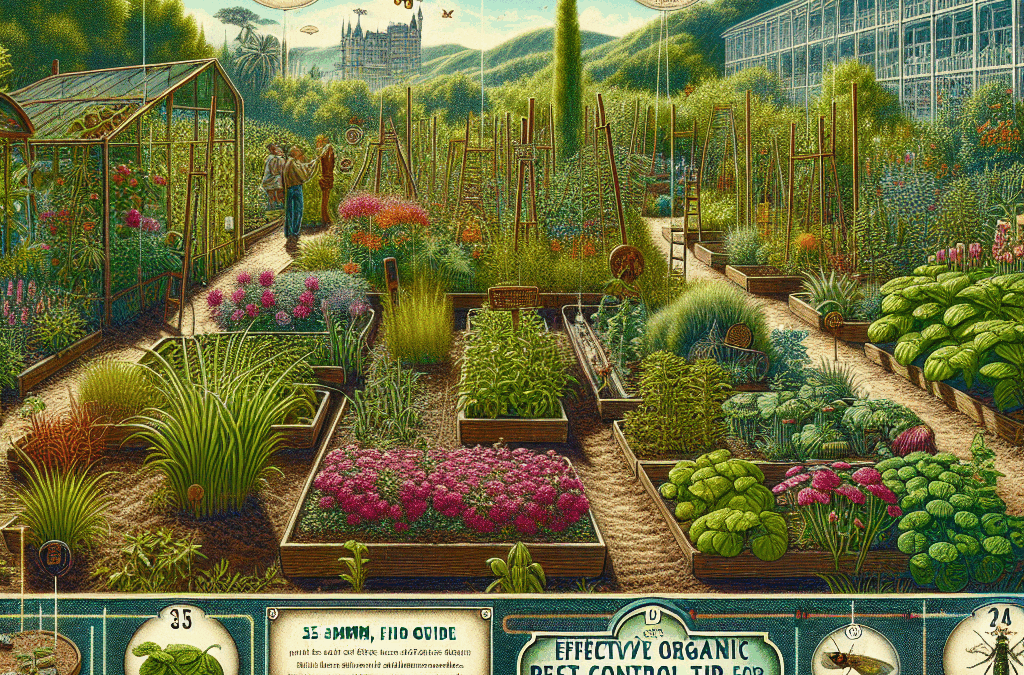
Techniques such as companion planting, where mutually beneficial plants are grown together, can enhance growth and deter pests. Additionally, utilizing raised beds allows for better soil management and drainage, which is crucial for healthy plant development.
Companion planting is an effective method for maximizing garden yield by pairing plants that benefit each other. Understanding the relationships between different plants allows gardeners to create a diverse ecosystem that supports each species' growth.
Understanding Companion Planting
Companion planting is an effective method for maximizing garden yield by pairing plants that benefit each other. For example, planting tomatoes with basil can enhance flavor and growth while deterring pests. Understanding the relationships between different plants allows gardeners to create a diverse ecosystem that supports each species’ growth.
However, it is essential to research compatible species thoroughly; some plants can inhibit the growth of others. For instance, planting onions near carrots can result in stunted carrot growth. Prioritize knowledge of plant interactions to take full advantage of this technique.
The Benefits of Raised Beds
Raised beds offer several advantages for maximizing yield. They provide excellent drainage, which is crucial for preventing root rot and promoting healthy growth. Additionally, raised beds warm up faster in the spring, allowing for an earlier planting season.
When constructing raised beds, consider the dimensions and materials used. A height of 12 to 24 inches is ideal for most vegetables. Keep in mind that while raised beds can improve yield, they also require more initial investment in soil and materials. Ensure proper maintenance to reap the benefits throughout the growing season.
Implementing Crop Rotation
Crop rotation is the practice of changing the types of crops grown in a specific area each season. This method helps prevent soil depletion and reduces the risk of pest and disease buildup. By rotating crops, gardeners can maintain soil fertility and promote a balanced ecosystem.
When planning crop rotation, consider the nutrient needs of different plants. Group plants into families, such as legumes, brassicas, and nightshades, and rotate them accordingly. This strategy can significantly enhance long-term yield potential but requires careful planning to ensure that each crop receives the right nutrients in subsequent seasons.
Common Mistakes to Avoid
Even experienced gardeners can make mistakes that hinder yield. One common issue is overcrowding plants, which leads to competition for resources and poor growth. Be mindful of spacing requirements for each plant type and avoid planting too closely together.
Another mistake is neglecting soil health. Regularly amend soil with organic matter to maintain nutrient levels and structure. Failing to do so can result in diminished yields over time. Focus on these critical factors to ensure a productive garden layout.
Frequently Asked Questions
What is the best layout for a vegetable garden?
The best layout combines raised beds with companion planting to optimize space and enhance plant growth.
How can I improve soil quality in my garden?
Regularly amend the soil with organic materials like compost to improve fertility and structure.
What are some effective companion plants?
Tomatoes and basil, carrots and onions, and corn and beans are examples of beneficial companion pairs.
How often should I rotate my crops?
Crops should be rotated each growing season to maintain soil health and prevent pest buildup.
What common mistakes should I avoid in gardening?
Avoid overcrowding plants and neglecting soil amendments, as these can significantly reduce yield.
Conclusion
Maximizing yield in your garden requires careful planning and execution of strategies like companion planting, raised beds, and crop rotation. By understanding the relationships between plants and the importance of soil health, you can create a productive and sustainable garden. Prioritize these methods to enhance your gardening experience and ensure a bountiful harvest.


