
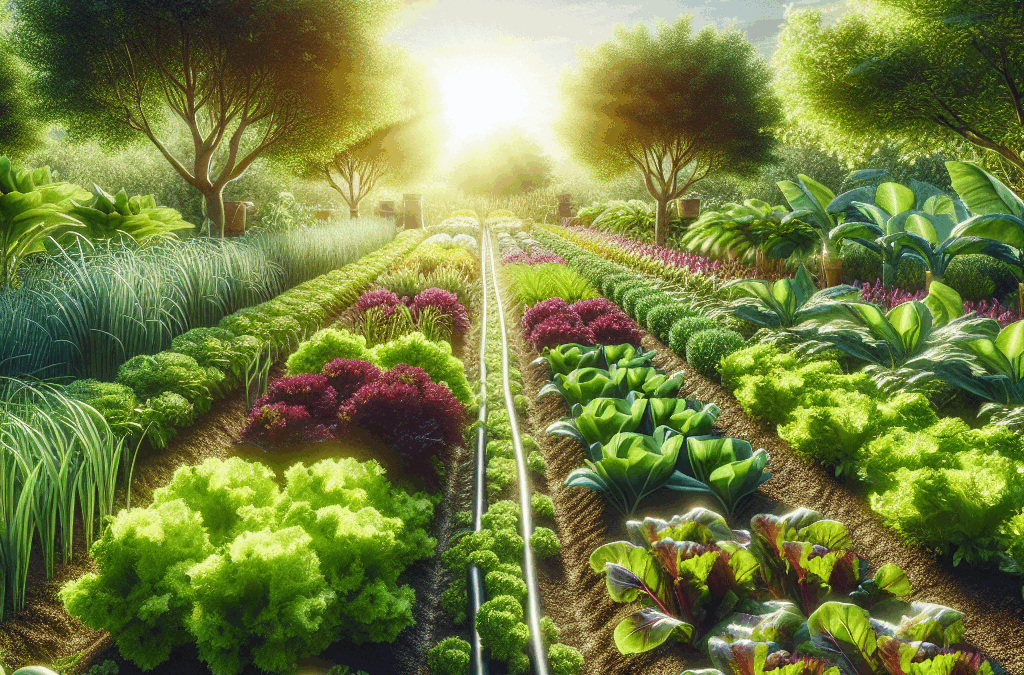
When considering which vegetables to grow, it’s essential to factor in your local climate, soil quality, and available space. Each vegetable has specific growing requirements that can affect its productivity. For instance, tomatoes thrive in warm weather and can produce a large quantity of fruit if given proper care, while leafy greens like spinach may perform well in cooler conditions but require frequent harvesting to encourage growth.
Another critical aspect is understanding the growth habits of these vegetables. Some, like zucchini, are prolific producers but need space to spread out, while others, like beans, can climb and save ground space. Maximizing vertical space can lead to a more productive garden overall, allowing you to grow more food in smaller areas.
Top High-Yield Vegetables
Among the most productive vegetables, tomatoes, peppers, and squash consistently rank high. Tomatoes can yield up to 15 pounds per plant, depending on the variety and care provided. Similarly, peppers can produce numerous fruits per plant, especially when grown in optimal conditions. Squash plants, particularly zucchini, are known for their prolific nature, often requiring regular harvesting to prevent overcrowding.
To maximize yield, consider planting indeterminate tomato varieties that continue to grow and produce throughout the season. Additionally, companion planting can enhance productivity; for example, growing basil alongside tomatoes can improve both plants’ growth and flavor.
When selecting seeds, look for local or heirloom varieties well-suited to your region’s conditions. These selections often adapt better to local pests and diseases, leading to healthier plants and higher yields.
Growing Conditions for Maximum Yield
Providing the right growing conditions is crucial for achieving high yields. Most vegetables require full sun, well-draining soil, and consistent watering. Soil quality is particularly important; a well-balanced mix rich in organic matter can significantly boost plant health and productivity.
Regularly testing soil pH and nutrient levels can help you adjust your gardening practices accordingly. For example, adding compost can improve soil structure and nutrient availability, promoting stronger plant growth. Additionally, mulching can help retain moisture and suppress weeds, further enhancing growing conditions.
Watering practices also play a vital role. Deep, infrequent watering encourages deep root growth, making plants more resilient to drought. Consider using drip irrigation systems to deliver water directly to the roots, minimizing evaporation and maximizing efficiency.
Common Mistakes to Avoid
Many gardeners make mistakes that limit their vegetable yields. One common error is overcrowding plants, which leads to competition for sunlight and nutrients. It’s essential to follow spacing recommendations for each vegetable to ensure they have room to grow.
Neglecting pest management is another critical mistake. Pests can quickly decimate a crop, so regular monitoring and early intervention are key. Integrated pest management strategies, such as introducing beneficial insects or using organic pesticides, can help protect your garden without harmful chemicals.
In summary, failing to rotate crops can result in soil depletion and increased pest problems. Practicing crop rotation helps maintain soil health and reduces the risk of disease, ensuring a more productive garden year after year.
Seasonal Planting Strategies
Understanding seasonal planting strategies can maximize your garden’s productivity. Starting seeds indoors can give you a head start on the growing season, especially for warm-weather crops like tomatoes and peppers. Transplanting them outside after the last frost can lead to earlier harvests.
Additionally, succession planting—sowing new crops every few weeks—can ensure a continuous supply of fresh vegetables throughout the growing season. This method works well for fast-growing greens and root vegetables, allowing you to enjoy fresh produce over an extended period.
Be mindful of the local frost dates and adjust your planting schedule accordingly to avoid losses from unexpected cold snaps. Keeping a gardening calendar can help you track planting times and ensure that you make the most of each growing season.
Further Reading
Authoritative Sources
- MedlinePlus
medlineplus.govConsumer-friendly medical and health information from the U.S. National Library of Medicine.
- National Institutes of Health
nih.govResearch-based health information and links to authoritative medical resources.
- Centers for Disease Control and Prevention
cdc.govOfficial public health guidance, prevention resources, and topic-specific recommendations.
- Mayo Clinic
mayoclinic.orgTrusted clinical guidance, symptom explainers, and treatment overviews.
- World Health Organization
who.intGlobal health guidance, fact sheets, and evidence-based public health information.
Frequently Asked Questions
What vegetables produce the most food per square foot?
Vegetables like tomatoes, peppers, and beans are known for their high yields per square foot, making them ideal for maximizing garden space.
How can I improve soil quality for better vegetable yields?
Adding organic matter such as compost, and regularly testing soil pH can significantly enhance soil quality, leading to better vegetable growth.
What are common mistakes in vegetable gardening?
Overcrowding plants, neglecting pest management, and failing to rotate crops are common pitfalls that can limit vegetable yields.
When is the best time to plant vegetables?
Timing varies by crop, but generally, warm-season crops are planted after the last frost, while cool-season crops can be sown earlier in the spring.
How often should I water my vegetable garden?
Deep, infrequent watering is recommended to encourage strong root growth. Most vegetables thrive with about 1 inch of water per week.
Conclusion
To maximize your family food supply through gardening, focus on high-yield vegetables like tomatoes, peppers, and beans. Ensure optimal growing conditions by improving soil quality and practicing effective watering techniques. Avoid common mistakes such as overcrowding and neglecting pest management. By implementing seasonal planting strategies, you can enjoy a continuous harvest throughout the growing season. With careful planning and attention to detail, your garden can provide a substantial and sustainable food source for your family.


