
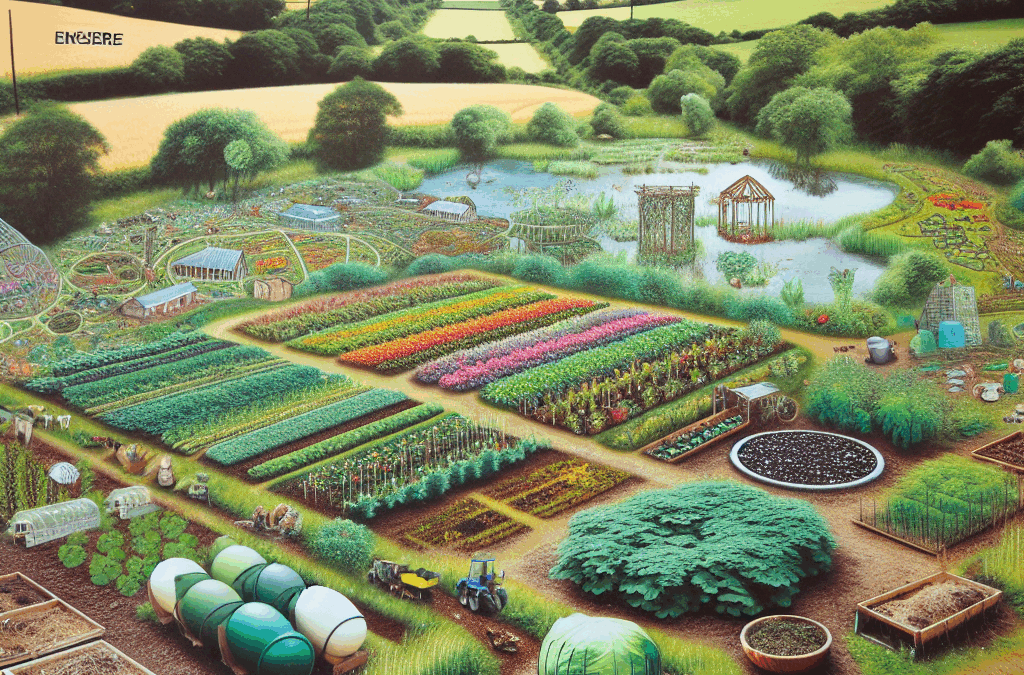
Understanding the specific requirements of each vegetable is crucial. For instance, while peas prefer cooler soil, they also need adequate moisture to germinate effectively. Spinach is another excellent choice, known for its quick growth and ability to tolerate frost. Planting these vegetables early can lead to a bountiful harvest, but gardeners must also be aware of potential pitfalls such as unexpected frost or soil compaction.
One common mistake is planting too early without considering local climate conditions. Soil temperature plays a significant role in seed germination. It’s essential to monitor soil conditions and wait until the risk of hard frost has passed. For regions with unpredictable weather, using row covers can protect young plants from late cold snaps.
Top Vegetable Choices for Early Spring
When selecting vegetables for spring planting, consider varieties that are known for their resilience. Peas are typically the first to be planted in spring, as they can germinate in cooler soil temperatures. Spinach and lettuce are also reliable choices, providing quick greens for salads.
Radishes are another fast-growing option, often maturing in as little as three to four weeks. These vegetables not only thrive in spring conditions but also help improve soil structure with their root systems. It’s helpful to group these crops together in your garden layout to maximize space and yield.
Moreover, understanding companion planting can enhance the growth of these vegetables. For instance, planting radishes alongside cucumbers can deter pests. This practice not only promotes a healthier garden but also maximizes your planting space efficiently.
Mistakes to Avoid When Planting
One of the most significant mistakes gardeners make is not preparing the soil adequately before planting. Soil should be well-draining and enriched with organic matter to support young seedlings. Failing to amend the soil can lead to poor growth and increased susceptibility to disease.
Another common error is neglecting to check local frost dates. Understanding the last frost date in your area helps determine the best planting time. Planting too early can result in lost crops due to unexpected cold snaps. Using frost cloths can mitigate this risk, allowing for a longer growing season.
Additionally, overwatering can be detrimental during spring planting. Many new gardeners tend to water too frequently, thinking it will benefit young plants. However, overwatering can lead to root rot and other issues. It’s essential to monitor soil moisture and water only when necessary.
Timing Your Planting for Success
Timing is crucial for successful spring planting. Generally, peas can be sown as soon as the soil can be worked, while other crops like tomatoes and peppers should be started indoors and transplanted after the last frost. Knowing your local climate and frost dates is key to successful gardening.
For regions with a shorter growing season, consider starting seeds indoors to get a head start. This method allows for earlier harvests and maximizes the use of the growing season. Pay attention to seed packets for specific timing recommendations based on your hardiness zone.
Moreover, staggered planting can be an effective strategy. By sowing seeds in intervals, you can ensure a continuous harvest throughout the season. This approach also allows for adjustments based on climate conditions and helps manage pests more effectively.
Maintaining Soil Health for Strong Growth
Healthy soil is the foundation of a successful garden. Before planting, conduct a soil test to determine pH and nutrient levels. This information helps guide amendments and fertilization strategies. Organic matter, such as compost, can significantly improve soil structure and nutrient availability.
Incorporating cover crops in the off-season can also enhance soil health. These plants help prevent erosion, suppress weeds, and improve soil fertility. When tilled back into the soil, they provide additional organic matter that benefits future crops.
Additionally, rotating crops each year can prevent soil depletion and reduce pest and disease buildup. By alternating the types of vegetables planted in a specific area, you can promote healthier soil and more vigorous growth.
Further Reading
Authoritative Sources
- National Cooperative Extension
extension.orgThis resource provides comprehensive information on vegetable gardening, including soil health and planting techniques
- Gardener's Supply Company
gardeners.comA trusted source for gardening supplies and expert advice on vegetable varieties and planting strategies
Frequently Asked Questions
What vegetables can I plant in early spring?
In early spring, consider planting peas, spinach, radishes, and lettuce. These crops thrive in cooler temperatures and are quick to mature.
How do I prepare my soil for spring planting?
To prepare soil, test pH and nutrient levels, then amend with organic matter like compost to improve drainage and fertility.
When is the last frost date in my area?
The last frost date varies by location. Check local gardening resources or agricultural extensions for specific dates in your region.
Can I start seeds indoors for spring planting?
Yes, starting seeds indoors can give you a head start on the growing season, especially for warm-weather crops like tomatoes and peppers.
What common mistakes should I avoid when planting?
Avoid planting too early before the last frost, overwatering, and neglecting soil preparation, as these can hinder plant growth.
Conclusion
Choosing the most reliable vegetables for spring planting, such as peas, spinach, and radishes, can lead to a fruitful garden. Prioritize soil health, timing, and proper planting techniques to ensure success. Monitor local conditions and be prepared for unexpected weather. By avoiding common mistakes and implementing effective strategies, you can enjoy a productive gardening season and a bountiful harvest.


