
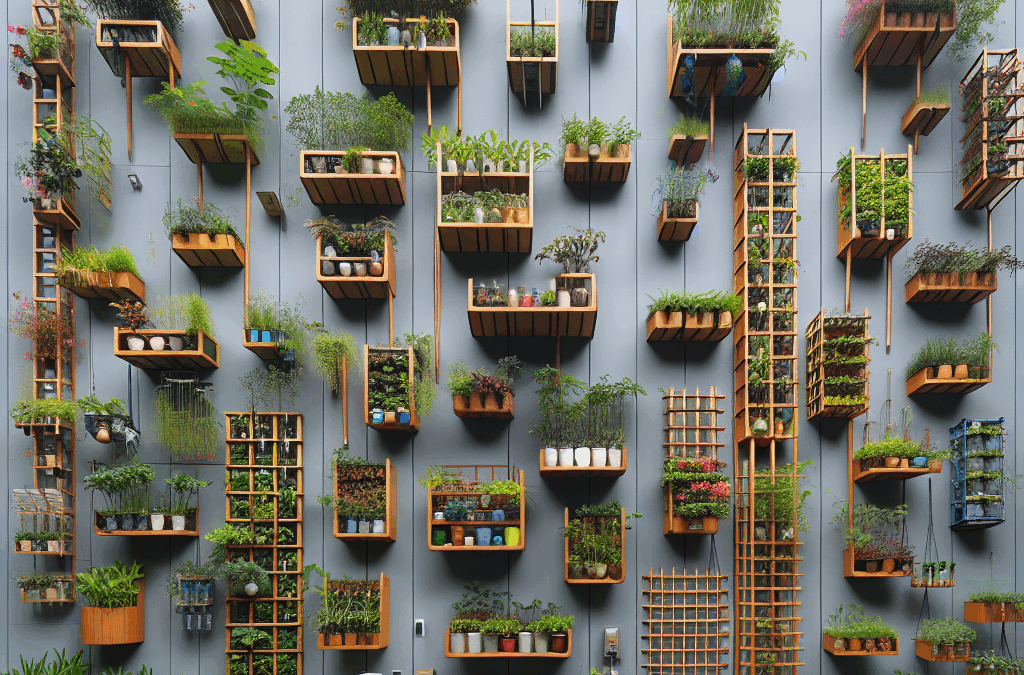
Choosing the right plants is crucial for novice gardeners. It’s essential to consider the local climate, soil quality, and available sunlight. For instance, herbs generally require less space and can thrive in containers, making them ideal for small gardens or patios. Additionally, understanding the watering needs of each plant can prevent common mistakes, such as overwatering or underwatering, which can lead to plant stress or death.
Another common mistake is planting too many varieties at once. Start with a few easy options that complement each other, both in terms of growth conditions and culinary uses. For example, pairing basil with tomatoes can create a beautiful and productive garden space. Prioritizing plants that are known for their resilience and adaptability can significantly improve the gardening experience for beginners.
Herbs That Thrive with Minimal Care
Herbs are among the most rewarding plants for new gardeners due to their ease of growth and versatility in the kitchen. Varieties like basil, mint, and parsley not only flourish with little attention but also enhance many dishes.
Mint, for example, is incredibly resilient and can grow in various environments, making it perfect for beginners. It’s essential to plant it in a contained space, as it can spread quickly. Basil, on the other hand, requires sunlight and regular watering but can yield an abundance of leaves for culinary use. Understanding the specific needs of each herb can help prevent common pitfalls.
Prioritize starting with just a few herb varieties to avoid overwhelming yourself. Regularly harvesting the leaves encourages continued growth and can lead to a bountiful supply throughout the season. This approach not only maximizes your gardening efforts but also allows you to enjoy fresh herbs in your meals.
Vegetables for Quick Harvests
When it comes to vegetables, choosing fast-growing options can provide quick rewards for new gardeners. Radishes, lettuce, and green beans are excellent choices that typically mature within a few weeks to a couple of months.
Radishes are particularly suitable for beginners due to their rapid growth and minimal care requirements. They thrive in well-drained soil and can be sown in small spaces, making them ideal for container gardening. Lettuce, on the other hand, can be harvested multiple times if you opt for ‘cut-and-come-again’ varieties, allowing for a continuous supply of fresh greens.
It’s important to consider planting schedules to maximize your harvests. Staggering plantings every few weeks can ensure a steady supply of fresh vegetables throughout the growing season. This approach not only keeps your garden productive but also helps you avoid overwhelming yourself with an abundance of produce all at once.
Flowers That Brighten Any Space
Adding flowers to a new garden can enhance its beauty and attract beneficial pollinators. Marigolds and sunflowers are two rewarding options that are particularly forgiving for novice gardeners.
Marigolds are known for their vibrant colors and ability to deter pests, making them a practical choice for any garden. They thrive in sunny spots and require minimal care. Sunflowers, with their towering presence and cheerful blooms, are also easy to grow and can bring a sense of joy to any garden space.
When selecting flowers, consider the blooming period and how they fit into your garden’s overall aesthetic. Mixing early and late bloomers can ensure that your garden remains colorful throughout the growing season. Planting flowers in clusters can also create a more visually appealing display.
Common Mistakes New Gardeners Make
New gardeners often encounter a range of challenges that can hinder their success. One common mistake is neglecting soil quality, which is crucial for plant health. Testing your soil and amending it with organic matter can significantly improve growth outcomes.
Another frequent error is overwatering. Many beginners assume that more water equals healthier plants, but this can lead to root rot and other issues. Understanding the specific watering needs of each plant is vital. It’s often better to underwater than overwater, especially for drought-tolerant species.
Taking the time to research and plan your garden layout can prevent overcrowding and competition for resources. Starting small and expanding as you gain confidence and experience can also lead to a more enjoyable gardening journey. Remember to learn from your mistakes, as each gardening season offers valuable lessons.
Further Reading
Authoritative Sources
- MedlinePlus
medlineplus.govConsumer-friendly medical and health information from the U.S. National Library of Medicine.
- National Institutes of Health
nih.govResearch-based health information and links to authoritative medical resources.
- Centers for Disease Control and Prevention
cdc.govOfficial public health guidance, prevention resources, and topic-specific recommendations.
- Mayo Clinic
mayoclinic.orgTrusted clinical guidance, symptom explainers, and treatment overviews.
- World Health Organization
who.intGlobal health guidance, fact sheets, and evidence-based public health information.
Frequently Asked Questions
What are the easiest plants for beginners to grow?
Herbs like basil and mint, as well as vegetables such as radishes and lettuce, are some of the easiest plants for beginners to grow.
How much sunlight do beginner plants need?
Most beginner-friendly plants require at least 6-8 hours of direct sunlight daily for optimal growth.
How often should I water my garden?
Watering frequency depends on the plant type and weather conditions, but generally, it’s better to water deeply and less frequently than to water lightly every day.
What common mistakes should new gardeners avoid?
Neglecting soil quality, overwatering, and overcrowding are common mistakes that new gardeners should avoid.
Can I grow vegetables in containers?
Yes, many vegetables can thrive in containers, especially those with smaller root systems like lettuce and radishes.
Conclusion
In closing, selecting the most rewarding plants for new gardeners involves focusing on easy-to-grow herbs, vegetables, and flowers that thrive with minimal care. Understanding the specific needs of each plant, avoiding common mistakes, and starting small can lead to a successful gardening experience. As you gain confidence, consider expanding your garden with new varieties and techniques. Ultimately, the joy of gardening comes from watching your plants flourish and enjoying the fruits of your labor.


