
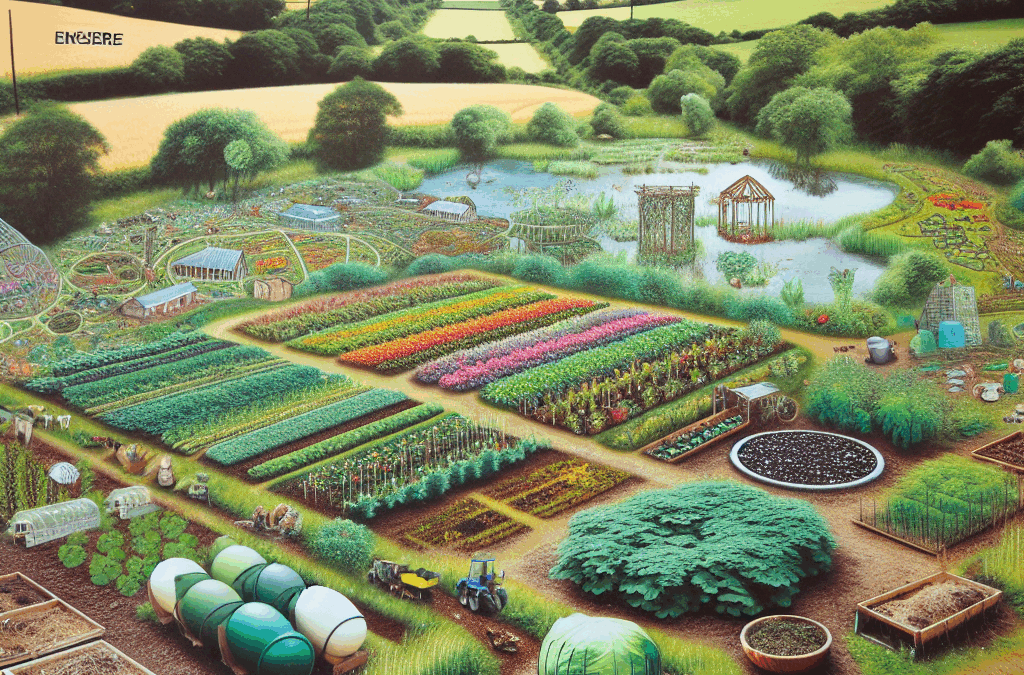
Understanding the composition of your soil is vital. Conducting a soil test can reveal pH levels and nutrient deficiencies, allowing you to tailor your amendments effectively. Additionally, the use of cover crops can prevent erosion and improve soil structure. Regular mulching retains moisture and suppresses weeds, further enhancing soil conditions. Neglecting these aspects can lead to poor plant growth and increased pest problems.
Common mistakes include over-tilling, which disrupts soil structure and depletes organic matter. Instead, consider no-till methods that preserve soil integrity. Prioritize adding organic matter consistently, as this will significantly impact soil health over time. Building healthy garden soil is not a one-time task but an ongoing process that requires attention and adaptation to changing conditions.
Understanding Soil Composition
Healthy garden soil is a blend of minerals, organic matter, air, and water. The proportions of these components determine the soil’s texture and nutrient-holding capacity. Clay, silt, and sand make up the mineral content, while organic matter enhances its fertility and structure. A balanced ratio of these elements is crucial for optimal plant growth.
Soil texture affects drainage and aeration. Sandy soils drain quickly but may lack nutrients, while clay soils retain moisture but can become compacted. Understanding your soil type allows for better management practices tailored to its unique characteristics. Regular soil testing can help identify imbalances and inform necessary amendments.
Many gardeners overlook the importance of microbial life in soil health. Healthy soil teems with beneficial microorganisms that aid in nutrient cycling and disease suppression. Prioritizing organic matter not only feeds these organisms but also improves soil structure, making it more resilient to environmental changes.
Essential Organic Amendments
Organic amendments are critical for building healthy garden soil. Compost is one of the most effective amendments, providing a balanced source of nutrients and improving soil structure. Well-rotted manure also enriches the soil but should be used cautiously to avoid nutrient overload.
Incorporating green manures, or cover crops, during the off-season can enhance soil fertility and prevent erosion. These crops, when tilled back into the soil, add organic matter and improve nutrient availability. Additionally, using mulch not only conserves moisture but also adds organic material as it breaks down.
Prioritize the quality of your organic amendments. Avoid using fresh manure, which can introduce pathogens and weed seeds. Instead, opt for compost that has been fully decomposed, ensuring it is safe and beneficial for your garden. Regularly adding these amendments will gradually improve soil health and fertility.
Techniques for Soil Improvement
Improving garden soil requires a multifaceted approach. Start by incorporating organic matter consistently, as this is the foundation of healthy soil. Regular soil testing will help you identify deficiencies and adjust amendments accordingly.
No-till gardening methods can significantly enhance soil health by preserving its structure and microbial life. Instead of turning the soil, simply add organic matter to the top layer. This practice minimizes disruption and promotes a healthy ecosystem.
Additionally, crop rotation can prevent nutrient depletion and reduce pest pressures. By alternating plant families, you can maintain soil fertility and reduce the risk of disease. Implementing these techniques will lead to a more resilient garden ecosystem.
Common Mistakes to Avoid
Many gardeners make mistakes that hinder soil health. Over-tilling is a common issue that disrupts soil structure and depletes organic matter. Instead, adopt no-till practices to maintain soil integrity and promote microbial activity.
Another mistake is neglecting soil testing. Without understanding your soil’s composition and nutrient levels, you may unintentionally apply excessive fertilizers or amendments, leading to imbalances. Regular testing provides valuable insights that guide your gardening practices.
Ultimately, avoid using chemical fertilizers as a quick fix. While they may provide immediate nutrients, they can degrade soil health over time. Focus on building a strong foundation with organic amendments that enhance both soil structure and fertility.
Further Reading
Authoritative Sources
- Rodale's Organic Life on Healthy Soil
rodalesorganiclife.comThis resource provides in-depth information on building healthy soil through organic practices
- Colorado State University Extension: Soil Health
extension.colostate.eduA comprehensive guide to understanding and improving soil health from a university extension service
- USDA Natural Resources Conservation Service: Soil Health
nrcs.usda.govOfficial USDA resources on soil health principles and practices for sustainable agriculture
- Gardener's Supply Company: Improve Your Soil
gardeners.comPractical advice on various methods to enhance soil quality for better gardening outcomes
Frequently Asked Questions
What is the best way to improve soil health?
The best way to improve soil health is by regularly adding organic matter, such as compost and mulch, and conducting soil tests to tailor amendments to specific nutrient needs.
How often should I test my soil?
It is recommended to test your soil every 2-3 years to monitor nutrient levels and pH, ensuring optimal growing conditions for your plants.
Can I use fresh manure in my garden?
Fresh manure should be avoided as it can introduce pathogens and weed seeds. Always use well-rotted manure or compost to enrich your soil safely.
What are the signs of unhealthy soil?
Signs of unhealthy soil include poor drainage, lack of plant growth, and visible erosion. Additionally, an imbalance in pH or nutrient levels can indicate underlying issues.
How long does it take to build healthy soil?
Building healthy soil is a gradual process that can take several months to years, depending on the practices employed and the initial soil conditions.
Conclusion
Building healthy garden soil is essential for sustainable gardening. Prioritize adding organic matter, conducting soil tests, and employing effective techniques like no-till gardening and crop rotation. Avoid common mistakes such as over-tilling and neglecting soil health assessments. By focusing on these practices, you will create a thriving garden ecosystem that supports healthy plant growth and long-term soil vitality.


