
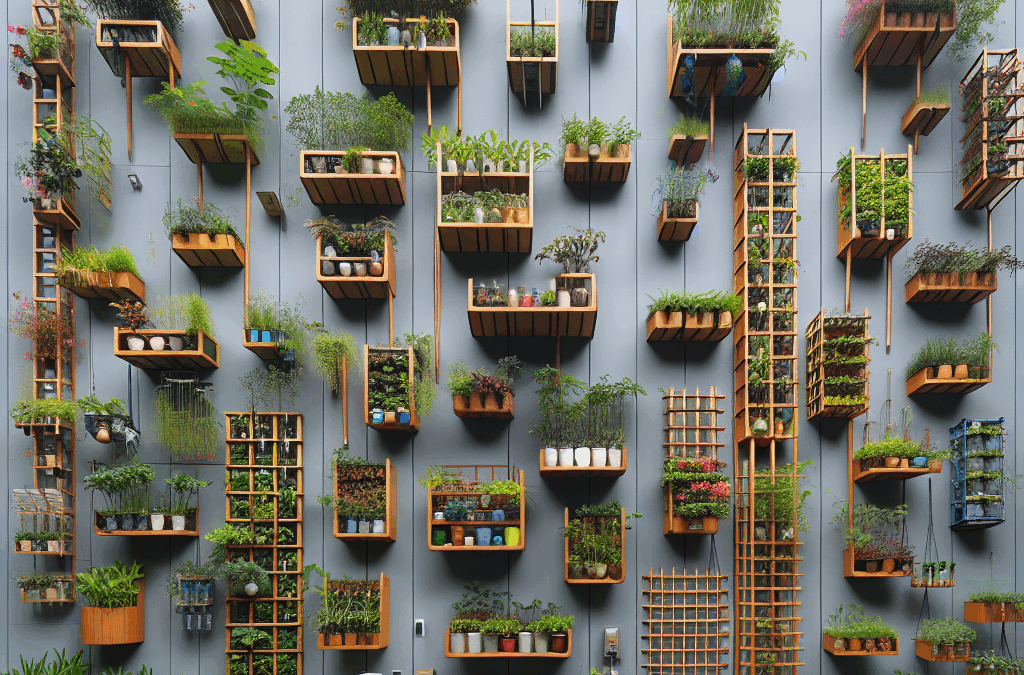
Once you have selected your herbs and prepared your garden bed, it’s crucial to understand the specific needs of each plant. For instance, while some herbs prefer moist conditions, others require drier soil. Mistakes often stem from overwatering or neglecting to provide enough sunlight. Regularly monitor your plants for pests and diseases, which can hinder growth and affect the quality of your herbs.
Another common pitfall is neglecting to prune your herbs. Regular trimming encourages bushier growth and prevents flowering, which can alter the flavor and medicinal properties of the herbs. By understanding these nuances and prioritizing their specific needs, you can effectively cultivate a thriving medicinal herb garden.
Choosing the Right Herbs
Choosing the right herbs is fundamental to a successful medicinal herb garden. Start with herbs known for their medicinal properties and adaptability, such as basil, mint, chamomile, and oregano. These herbs are not only easy to grow but also serve various health purposes. For instance, chamomile is renowned for its calming effects, while mint can aid digestion.
When selecting herbs, consider your climate and the specific conditions of your garden. Some herbs thrive in cooler temperatures, while others prefer warmer climates. Planning for your local environment ensures better growth rates and healthier plants. Additionally, grouping herbs with similar growth needs can simplify care and maintenance.
Many beginners overlook the importance of companion planting. Certain herbs can repel pests or enhance each other’s growth when planted together. For example, planting basil alongside tomatoes can improve tomato flavor while deterring certain pests. This strategic planting can significantly enhance your garden’s productivity.
Soil Preparation Techniques
Soil preparation is critical for the success of your medicinal herb garden. The ideal soil should be well-draining and rich in organic matter. Start by testing your soil’s pH; most herbs prefer a slightly acidic to neutral pH (6.0 to 7.0). Amend your soil with compost or well-rotted manure to boost nutrient levels and improve soil structure.
When preparing your garden bed, ensure it is free from weeds and debris that can compete with your herbs for nutrients and water. Tilling the soil to a depth of at least 12 inches will aerate it and promote root growth. Adding mulch can help retain moisture and suppress weed growth, contributing to a healthier garden.
Remember, the quality of your soil will directly impact the health and yield of your herbs. Regularly testing and amending your soil based on the needs of your plants will foster continuous growth and vitality. This attention to soil health can prevent many common gardening issues.
Watering and Sunlight Requirements
Watering and sunlight are vital components of herb cultivation. Most medicinal herbs thrive in full sun, requiring at least 6-8 hours of direct sunlight daily. If your garden area is partially shaded, consider growing herbs that tolerate less light, such as parsley or chives.
Watering practices should be tailored to the specific needs of your herbs. Overwatering is a common mistake that can lead to root rot and other issues. Instead, water your herbs deeply but infrequently, allowing the soil to dry out between waterings. This encourages deep root growth and resilience.
Different herbs have varying moisture needs. For example, mint enjoys moist soil, while rosemary prefers drier conditions. Understanding these differences will help you adjust your watering schedule accordingly and avoid potential pitfalls. Investing time in learning about each herb’s specific needs will yield better results.
Common Mistakes to Avoid
Many new gardeners make mistakes that can hinder the growth of their medicinal herbs. One common error is planting herbs too close together, which can limit airflow and create a humid environment conducive to disease. Ensure adequate spacing between plants to promote healthy growth.
Another frequent mistake is neglecting to monitor for pests and diseases. Regularly inspect your plants for signs of trouble, such as discolored leaves or unusual growth patterns. Early detection can prevent larger infestations and preserve the health of your garden.
In closing, avoid the temptation to use chemical fertilizers or pesticides. These can harm beneficial insects and alter the medicinal properties of your herbs. Instead, opt for organic methods to manage pests and enhance soil fertility. This approach not only protects your herbs but also aligns with the principles of sustainable gardening.
Further Reading
Authoritative Sources
- Agency for Healthcare Research and Quality
ahrq.govThis source offers insights into the medicinal benefits of various herbs, supporting informed choices for your garden
Frequently Asked Questions
What are the easiest medicinal herbs to grow?
Some of the easiest medicinal herbs to grow include basil, mint, chamomile, and oregano, which are adaptable and have various health benefits.
How much sunlight do medicinal herbs need?
Most medicinal herbs require at least 6-8 hours of direct sunlight daily for optimal growth.
How often should I water my medicinal herbs?
Water your herbs deeply but infrequently, allowing the soil to dry out between waterings to prevent root rot.
What common mistakes should I avoid when growing herbs?
Avoid planting herbs too closely, neglecting pest monitoring, and using chemical fertilizers, as these can harm your plants.
Can I grow medicinal herbs indoors?
Yes, many medicinal herbs can be successfully grown indoors, provided they receive sufficient sunlight and are planted in suitable containers.


