Now retrieving an image set.
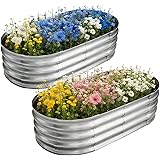
TATAANTY Galvanized Raised Garden Bed for Outdoor: 4X2X1ft Durable Metal Vegetable Plant Container Kit - Oval Planter Box for Gardening Flower Trough (2 Pack)
$35.99 (as of 13:00 GMT -05:00 - More infoProduct prices and availability are accurate as of the date/time indicated and are subject to change. Any price and availability information displayed on [relevant Amazon Site(s), as applicable] at the time of purchase will apply to the purchase of this product.)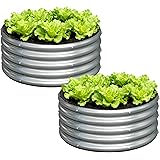
Now retrieving an image set.
Foxlang 2x2x1ft(2 Pack) Galvanized Round Raised Garden Bed,Outdoor Planter Box Metal Patio Kit Planting Bed for Vegetables Flowers Herb,Silver
$29.99 (as of 08:26 GMT -05:00 - More infoProduct prices and availability are accurate as of the date/time indicated and are subject to change. Any price and availability information displayed on [relevant Amazon Site(s), as applicable] at the time of purchase will apply to the purchase of this product.)The Smart Way to Trellis Climbing Vegetables
Are you looking to maximize your garden’s yield while minimizing the space it occupies? If so, you’re in the right place! The smart way to trellis climbing vegetables can transform your gardening experience. By utilizing vertical space, you not only enhance your garden’s productivity but also improve air circulation and reduce the risk of diseases. This guide will explore the ins and outs of effective trellising methods, ensuring you reap the benefits of your hard work.
Imagine harvesting fresh beans, cucumbers, or tomatoes with ease, all thanks to a well-structured trellis system. Understanding The smart way to trellis climbing vegetables involves not only choosing the right plants but also implementing the most effective techniques and materials. Let’s dive in and unlock the secrets to successful vertical gardening!
Understanding Trellising
What is Trellising?
Trellising refers to the practice of supporting climbing plants with a structure that allows them to grow upward. This method is particularly beneficial for vegetables such as peas, tomatoes, and cucumbers. By guiding these plants vertically, you can save ground space while promoting healthier growth and easier harvesting.
How Does Trellising Work?
The basic concept behind trellising is simple: by providing a framework—often made from wood, metal, or string—you allow plants to latch onto the support as they grow. This approach not only optimizes space but also enhances sunlight exposure and air circulation, two critical factors for robust plant health.
Benefits of Trellising
When considering The smart way to trellis climbing vegetables, it’s essential to understand the benefits involved. Here are some compelling advantages:
- Maximized Space: Vertical growth allows you to plant more crops in a smaller area.
- Improved Airflow: Reducing humidity around plants minimizes the risk of diseases.
- Easier Harvesting: Harvesting from a trellis is often more convenient than bending down.
- Enhanced Sunlight Exposure: Climbing plants can receive more sunlight, leading to better yields.
- Pest Management: Elevating plants can help deter pests that thrive near the ground.
The Smart Way to Trellis Climbing Vegetables
Choosing the Right Vegetables
Not all vegetables are suited for trellising. When thinking about The smart way to trellis climbing vegetables, consider these options that thrive when grown vertically:
1. Tomatoes: Indeterminate varieties are particularly well-suited for trellising.
2. Cucumbers: They grow quickly and will happily climb a trellis.
3. Beans: Pole beans can yield a bountiful harvest when trellised.
4. Peas: They naturally latch onto trellises, making them a perfect candidate.
By selecting these climbing vegetables, you can effectively utilize your garden space.
Planning Your Trellis Design
Once you’ve chosen your plants, the next step is planning your trellis design. Here’s a straightforward approach:
1. Select the Location: Ensure your trellis is positioned where plants will get ample sunlight.
2. Choose a Structure: Decide between simple options like A-frames, or more complex systems like wire grids.
3. Height Consideration: Ensure your trellis is tall enough to accommodate the growth of your plants.
4. Material Selection: Choose durable materials that can withstand the weight of mature plants.
This planning phase is crucial to implementing The smart way to trellis climbing vegetables effectively.
Trellising Techniques and Materials
Not all trellising methods are created equal. Here, we’ll explore a few popular techniques and the materials you can use:
Common Trellising Techniques
1. A-Frame Trellis: Simple and effective for beans and peas.
2. Vertical Grid: Perfect for tomatoes, providing multiple supports.
3. Fan Trellis: Great for cucumbers, allowing for even spread and sunlight access.
4. Netting or Wire: Ideal for lighter plants and provides flexibility in plant support.
Selecting the Right Materials
When it comes to materials, you have several options:
– Wood: A classic choice that provides stability. Ensure it’s treated for outdoor use.
– Metal: Offers durability and can handle heavier plants.
– String or Twine: A low-cost option for lightweight plants.
– Plastic Mesh: Good for plants that require less support.
Choosing the right materials will enhance The smart way to trellis climbing vegetables effectively and sustainably.
References and Resources
These resources provide valuable information about The smart way to trellis climbing vegetables. Check them out for additional insights:
Authoritative Sources on The smart way to trellis climbing vegetables
-
Idaho Cooperative Extension: Trellising Techniques
extension.uidaho.eduAn excellent resource for understanding various trellising methods and suitable plants.
-
University of Minnesota Extension: Vegetable Trellising
extension.umn.eduOffers detailed insights on vegetable varieties and their trellising needs.
-
USDA Natural Resources Conservation Service
nrcs.usda.govResource on sustainable gardening practices, including trellising techniques.
Get a free subscription to PREPARE – with more gardening and homesteading tips!
-
Harvard University Extension: Gardening Techniques
extension.harvard.eduProvides a comprehensive overview of gardening techniques, including vertical gardening.
-
Gardening Know How: Vertical Gardening
gardeningknowhow.comAn informative site featuring tips and tricks for vertical gardening.
Frequently Asked Questions
What is the best trellis for climbing vegetables?
The best trellis depends on the plant type. For instance, sturdy structures are ideal for heavy fruiting plants like tomatoes, while lighter options work well for beans and peas. A-frame trellises are versatile and effective for many climbing vegetables.
How do I know if I’m using the smart way to trellis climbing vegetables?
To ensure you’re employing The smart way to trellis climbing vegetables, consider factors such as plant height, weight, and the specific growth habits of the vegetables you’re cultivating. Selecting appropriate materials and structures tailored to your plants is crucial for success.
Can I trellis any climbing vegetable?
Most climbing vegetables can be trellised, but some varieties are more suited than others. It’s essential to research each plant’s growth habits. For example, indeterminate tomatoes and pole beans thrive on trellises, while bush types do not.
What materials should I use for a vegetable trellis?
Effective materials for vegetable trellises include wood, metal, and string. Choose based on the weight and growth habits of the plants you intend to support. Ensure the materials are durable and weather-resistant for longevity.
Conclusion
Ultimately, The smart way to trellis climbing vegetables is a game-changer for any gardener looking to enhance yields and conserve space. By selecting the right plants, implementing effective techniques, and utilizing appropriate materials, you can create a thriving vertical garden.
Now that you have the insights and tools needed, it’s your turn to start trellising! Consider taking the first step today and watch your garden transform into a productive and efficient space.