
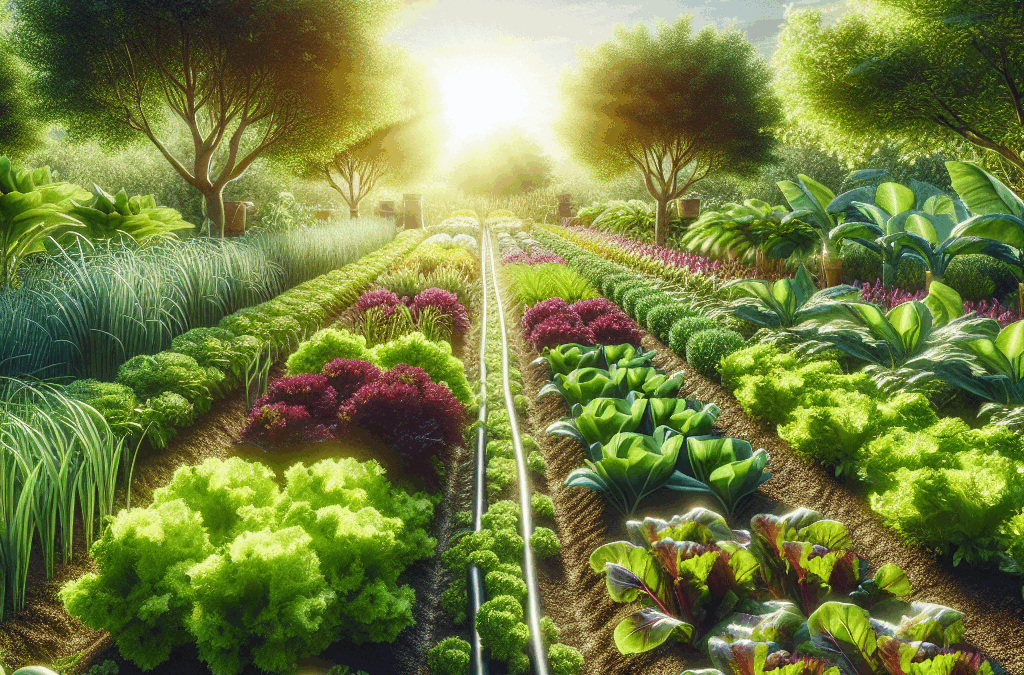
The smartest way to grow food during winter is by implementing methods such as cold frames and greenhouses that create a controlled environment for your plants. These structures help shield crops from cold temperatures and harsh weather, enabling you to cultivate a variety of vegetables throughout the winter months. By optimizing your growing conditions, you can enjoy fresh produce even during the coldest season.
Utilizing these techniques allows for a more extended growing season, but it’s essential to understand the specific requirements of your chosen crops. Cold frames can be a cost-effective solution for small gardens, while greenhouses provide a more substantial investment for larger operations. Prioritizing proper insulation, ventilation, and sunlight exposure is critical to ensure healthy plant growth, as these factors can significantly impact your yield.
Understanding Cold Frames and Greenhouses
Cold frames and greenhouses are essential tools for winter gardening. A cold frame is a simple structure that traps solar energy, providing a warmer microclimate for plants. Greenhouses, on the other hand, offer a more controlled environment and can be used to grow a wider range of crops year-round. Both methods help mitigate the effects of freezing temperatures, allowing for successful winter food production.
When considering which option to use, assess your space, budget, and the volume of produce you wish to grow. Cold frames are relatively inexpensive and can be constructed from recycled materials, making them an excellent choice for beginners. Greenhouses require a larger investment but can yield more significant returns over time, especially for commercial growers.
Choosing the Right Crops for Winter
Selecting the appropriate crops is crucial for successful winter gardening. Some vegetables, like kale, spinach, and carrots, are naturally more resilient to cold temperatures and can thrive in winter conditions. Additionally, herbs such as parsley and chives can provide flavor and freshness during the colder months.
It’s essential to understand the hardiness zones of your selected crops and plan your planting schedule accordingly. Utilizing succession planting can also help ensure a steady supply of fresh produce throughout the winter, as you can stagger your planting times to maximize growth.
Maintaining Optimal Conditions
To ensure successful winter growth, maintaining optimal conditions within your cold frame or greenhouse is paramount. This includes monitoring temperature and humidity levels, as well as ensuring adequate sunlight exposure. Installing thermostats and automated ventilation systems can help regulate the environment, making it easier to manage.
Pay attention to watering practices as well; plants in cold frames or greenhouses may require different watering schedules than those grown outdoors. Overwatering can lead to root rot, while underwatering can stress the plants. Regularly check soil moisture levels to strike the right balance.
Frequently Asked Questions
What vegetables can I grow during winter?
Vegetables like kale, spinach, carrots, and beets are excellent choices for winter gardening as they can withstand cold temperatures.
How do I maintain temperature in a cold frame?
Regularly monitor the temperature and use materials like bubble wrap or row covers to insulate the cold frame during extreme weather.
Can I grow herbs in winter?
Yes, herbs such as parsley, chives, and thyme can thrive in winter, especially when grown in a greenhouse or cold frame.
What is the best way to water winter crops?
Check soil moisture regularly and water as needed, ensuring not to overwater, which can lead to root rot.
How can I extend my growing season?
Utilizing cold frames, greenhouses, and selecting cold-tolerant crops can significantly extend your growing season into the winter months.
Conclusion
In closing, the smartest way to grow food during winter includes using cold frames and greenhouses to create protective environments for your crops. By selecting hardy vegetables and maintaining optimal growing conditions, you can achieve successful winter harvests. As you plan your winter garden, focus on the specific needs of your chosen crops and be prepared to adjust your care routines to match the unique challenges of winter gardening.


