
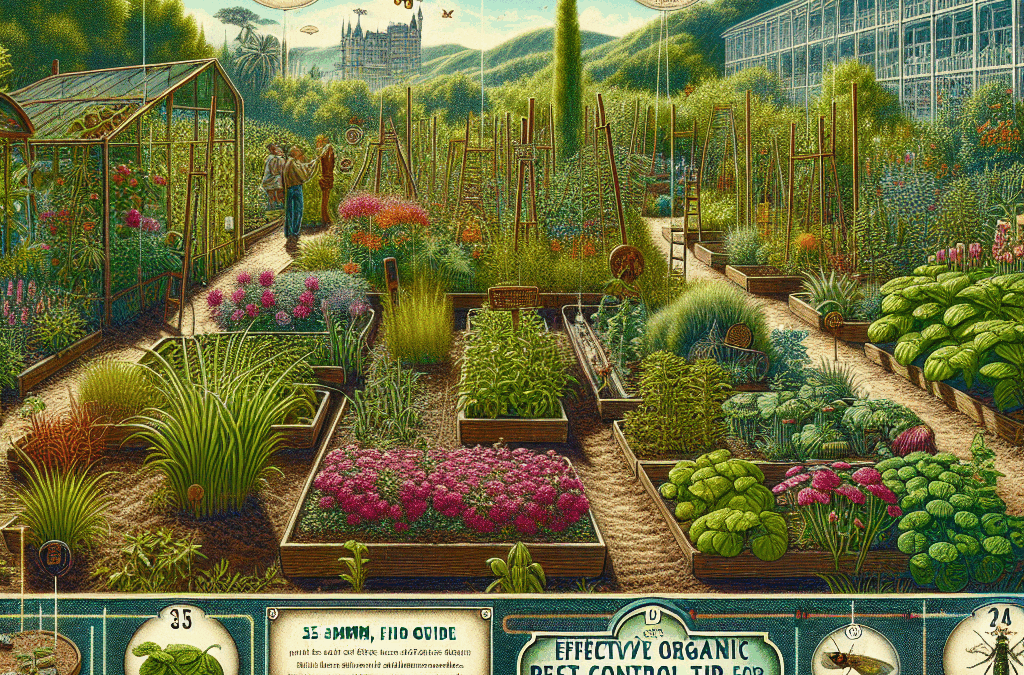
Starting a garden from scratch is not just about digging a hole and planting seeds; it’s a thoughtful process that requires planning and decision-making. The smartest way to start a garden from scratch involves understanding your environment, choosing the right plants, and preparing your soil meticulously. By following a systematic approach, you can cultivate a flourishing garden that meets your goals, whether they involve aesthetics, sustainability, or food production.
Many novice gardeners rush into planting without considering critical factors like soil quality, plant selection, and local climate conditions. This often leads to frustration and disappointment when plants fail to thrive. To avoid these pitfalls, it’s essential to take a step back and evaluate what you truly want from your garden. Are you looking for a vibrant flower display, a vegetable patch, or a low-maintenance landscape? Defining your objectives will guide your choices and increase your chances of success.
Assessing Your Space and Resources
Before you plant anything, take a close look at your available space and the resources at your disposal. Factors such as sunlight, water access, and space dimensions play a crucial role in determining what you can successfully grow. For instance, a garden that receives full sun for most of the day will be suitable for sun-loving plants, while shaded areas will require shade-tolerant varieties.
Additionally, consider the type of soil present in your garden. Conducting a soil test can provide insights into nutrient levels, pH balance, and organic matter content, which are vital for plant health. Understanding these factors will help you make informed decisions about what to plant and how to prepare your garden effectively.
Choosing the Right Plants
Selecting plants that are well-suited to your environment is essential for a successful garden. Research plants that thrive in your climate zone and consider their growth requirements, such as sunlight, water, and space. Native plants are often a great choice, as they are adapted to local conditions and typically require less maintenance.
When choosing plants, think about your garden’s purpose. If you’re aiming for a vegetable garden, focus on crops that your household enjoys eating and that grow well together. Consider the timing of planting as well; some plants can be direct seeded while others may require starting indoors.
Preparing Your Soil
Healthy soil is the foundation of a successful garden. Begin by removing any weeds or debris from your planting area. Depending on your soil quality, you may need to amend it with organic matter such as compost, which enhances soil fertility and structure.
Incorporating mulch can help retain moisture and suppress weeds, making your gardening efforts more efficient. Pay attention to soil drainage as well; overly compacted soil can lead to poor root growth and plant health. The goal is to create a rich, well-drained environment that supports robust plant growth.
Ongoing Maintenance and Care
Once your garden is planted, ongoing maintenance becomes crucial. Regularly check for pests and diseases, and be proactive about managing any issues that arise. Watering practices can vary widely depending on the plants you’ve chosen and the climate, but establishing a routine will help ensure your plants receive adequate moisture.
Fertilization may also be necessary throughout the growing season to replenish nutrients. Keep in mind that different plants have different needs, so tailor your care to the specific requirements of your garden’s inhabitants.
Further Reading
Authoritative Sources
- Garden from Scratch
shegrows.comHere are a few tips I've learned over the years of gardening in Colorado. At a glance, here are my steps when starting from scratch.
- If I Had To Start A Garden From Scratch, This Is What I'd Do
thedallasgarden.com1. Create a master plan. The best looking landscapes are well-planned. Even landscapes intended to look completely natural will look more pleasing to the eye …
- The Complete Guide to Starting a Garden (the Right Way)
gardenary.comFirst, you'll use stakes and twine to mark out the garden space. Then, you'll clear the area of all grass, weeds, and shrubs. Next, you'll level …
- How To Start A Garden: 101
homesteadandchill.comAt a glance, these are the essentials to consider: Location – As sunny as possible; Size – Start small; Style – Raised beds, containers, or right in the ground?
- 13 Basic Steps to Starting a Vegetable Garden
melissaknorris.comPick Your Crops – Grow What You'll Eat · Know Your Climate · First and Last Frost Dates · Grow Multiple Gardens · How Much to Plant · Choosing a Garden Location …
- How to Start a Garden When You Don't Know Anything
motherearthgardener.comTake 15 minutes to walk around your yard and pick out a spot for your first garden bed. It doesn't have to be very big. Just make sure you find …
- MedlinePlus
medlineplus.govConsumer-friendly medical and health information from the U.S. National Library of Medicine.
Frequently Asked Questions
What is the best time to start a garden?
The best time to start a garden typically depends on your local climate, but most gardeners begin in spring after the last frost.
How do I know if my soil is good for gardening?
A soil test can reveal pH levels, nutrient content, and organic matter, helping you assess its suitability for gardening.
Can I start a garden in containers?
Yes, container gardening is a great option for those with limited space, allowing you to grow plants on patios or balconies.
What should I do if my plants are not growing well?
Evaluate factors such as sunlight, water, soil quality, and pest issues to identify and address the problem affecting your plants’ growth.
How often should I water my garden?
Watering frequency varies by plant type and weather conditions; a general rule is to provide about an inch of water per week.
Conclusion
Starting a garden from scratch can be a fulfilling journey when approached thoughtfully. By assessing your space, choosing the right plants, and preparing your soil, you can create an environment conducive to growth. Ongoing care and maintenance are essential to support your garden’s health and productivity. Remember, taking the time to plan and understand your gardening goals will lead to a more successful and enjoyable gardening experience.


