Now retrieving an image set.
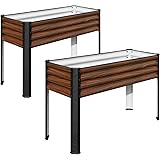
SnugNiture Raised Garden Bed with Legs, 2PCS 48×18×32in Outdoor Metal Elevated Raised Planter Box for Backyard, Patio, Balcony
$109.99 (as of 08:19 GMT -05:00 - More infoProduct prices and availability are accurate as of the date/time indicated and are subject to change. Any price and availability information displayed on [relevant Amazon Site(s), as applicable] at the time of purchase will apply to the purchase of this product.)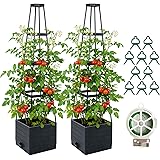
Now retrieving an image set.
2 Pack Raised Garden Bed Planter Box with Trellis, 57'' Self Watering Tomato Planters for Climbing Plants, Tomato Cage Trellis for Vegetables & Vine Flowers Indoor Outdoor Patio
$28.99 (as of 08:19 GMT -05:00 - More infoProduct prices and availability are accurate as of the date/time indicated and are subject to change. Any price and availability information displayed on [relevant Amazon Site(s), as applicable] at the time of purchase will apply to the purchase of this product.)The surprising crops that thrive in cold weather
As winter approaches, many gardeners might think their growing season is over. However, The surprising crops that thrive in cold weather can offer a bountiful harvest even in the chilliest months. From hearty greens to root vegetables, these crops not only survive but often thrive in cold conditions, providing fresh produce when it’s most needed. Understanding which plants can withstand frost and snow opens up exciting opportunities for gardeners and farmers alike.
In this article, we’ll explore The surprising crops that thrive in cold weather, delve into their benefits, and provide tips for successfully growing them. By the end, you’ll be equipped with the knowledge to extend your gardening season and enjoy nutritious, homegrown food throughout the winter months.
Understanding Cold Weather Cultivation
The Science Behind Cold Weather Crops
Cold weather crops are specially adapted to withstand frost and lower temperatures. Many of these plants have developed mechanisms to survive harsh conditions, such as:
- Antifreeze proteins that prevent ice crystal formation within their cells.
- Thickened cell walls and higher sugar concentrations that help retain moisture and nutrients.
- Ability to enter a dormant state during extreme cold, resuming growth when conditions improve.
For instance, studies show that kale can actually taste sweeter after a frost, making it not only hardy but also more flavorful. Understanding these adaptations helps gardeners select the right varieties for their winter gardens.
Temperature Tolerance
Most cold-weather crops can tolerate temperatures ranging from 20°F to 40°F (-6°C to 4°C). Here’s a comparison of various crops and their temperature thresholds:
| Crop | Temperature Tolerance (°F) |
|---|---|
| Kale | 20°F |
| Spinach | 20°F |
| Carrots | 20°F |
| Brussels Sprouts | 20°F |
| Garlic | 30°F |
This knowledge is crucial for planning your winter garden effectively.
The Surprising Crops That Thrive in Cold Weather
When considering The surprising crops that thrive in cold weather, several varieties stand out due to their resilience and nutritional value. Here’s a closer look at some of these remarkable plants:
Leafy Greens
Leafy greens are among the most popular choices for winter gardening. Varieties such as kale, spinach, and Swiss chard are not only cold-resistant but also packed with vitamins and minerals. They can be sown in late summer for a fall harvest or planted in early winter for spring yields.
– Kale: A nutritional powerhouse, kale can withstand temperatures as low as 20°F.
– Spinach: Known for its high iron content, spinach thrives in cooler conditions and can be harvested throughout winter.
– Swiss Chard: Its colorful stems and leaves provide a vibrant addition to winter dishes.
These greens can often be harvested multiple times, allowing for ongoing production throughout the season.
Root Vegetables
Root vegetables are another category of The surprising crops that thrive in cold weather. They not only survive the cold but often improve in flavor after exposure to frost. Popular options include:
– Carrots: Sweeten after frost exposure, making winter harvesting particularly rewarding.
– Parsnips: Known for their nutty flavor, parsnips are harvested after the first frost for optimal sweetness.
– Beets: Versatile and nutritious, beets can be sown in late summer for winter harvests.
These crops can be stored for extended periods, ensuring a steady supply of fresh produce throughout winter.
Benefits of Cold-Weather Crops
Growing The surprising crops that thrive in cold weather offers several advantages, both for gardeners and the environment. Here are some key benefits:
1. Extended Growing Season: Cold-weather crops allow for gardening even in the depths of winter, maximizing yield from the available growing space.
2. Nutrient-Rich Produce: These crops are often packed with essential vitamins and minerals, contributing to a healthy diet during months when fresh produce is scarce.
3. Reduced Pest Pressure: With fewer pests and diseases active in colder months, gardeners can enjoy healthier plants and reduced reliance on pesticides.
4. Sustainable Practices: Cold-weather gardening can enhance soil health and promote biodiversity, contributing positively to the ecosystem.
By incorporating these crops into your gardening plans, you can enjoy a more sustainable and productive winter garden.
Tips for Growing Cold-Weather Crops
To successfully cultivate The surprising crops that thrive in cold weather, consider the following tips:
– Choose the Right Varieties: Opt for cold-hardy varieties that are specifically bred for winter cultivation. Look for seeds labeled as “overwintering” for best results.
– Utilize Row Covers: Protect your plants from harsh winds and frost by using row covers or cloches. This not only provides warmth but also shields plants from potential damage.
– Soil Preparation: Ensure your soil is well-drained and rich in organic matter. Adding compost can enhance soil fertility and structure, promoting healthy root development.
– Timing is Key: Plant your crops at the right time to maximize growth. Early fall is ideal for many leafy greens, while root vegetables can be sown in late summer for a winter harvest.
By following these strategies, you can create a thriving winter garden that yields bountiful crops.
References and Resources
These resources provide valuable information about The surprising crops that thrive in cold weather. Check them out for additional insights:
Authoritative Sources on The surprising crops that thrive in cold weather
-
USDA Agricultural Research Service
ars.usda.govOffers information on crops and research related to cold-weather gardening techniques and plant resilience.
-
Iowa State University Extension
extension.iastate.eduProvides factsheets on growing winter crops and tips for maximizing yield in cold climates.
-
Vegetable Gardener
vegetablegardener.comA comprehensive resource for vegetable gardening, including cold-weather crop guides and tips.
-
Natural Resources Conservation Service
nrcs.usda.govFocuses on sustainable agriculture practices, including crop selection and management for cold-weather conditions.
-
Gardening Know How
gardeningknowhow.comProvides insights on various gardening techniques, including winter gardening tips and crop recommendations.
Get a free subscription to PREPARE – with more gardening and homesteading tips!
-
Purdue University Horticulture
hort.purdue.eduOffers research-based information on growing vegetables, including those that can thrive in colder climates.
-
Colorado State University Extension
ext.colostate.eduProvides valuable resources on winter gardening and crop management in colder regions.
-
Union of Concerned Scientists
ucsusa.orgResearch on sustainable agriculture and the benefits of growing cold-weather crops for food security.
Frequently Asked Questions
What are the best crops to grow in winter?
Some of the best cold-weather crops include kale, spinach, carrots, and Brussels sprouts. These plants are known for their hardiness and ability to thrive in low temperatures, making them ideal for winter gardening.
How do I protect my winter crops from frost?
To protect winter crops from frost, consider using row covers, cloches, or cold frames. These protective structures help trap heat and shield plants from harsh weather conditions, ensuring a more successful harvest.
Can I grow vegetables indoors during winter?
Yes, many vegetables can be grown indoors during winter, including herbs and salad greens. Using grow lights can enhance growth, allowing for a year-round supply of fresh produce.
What are the surprising benefits of growing cold-weather crops?
Growing cold-weather crops offers numerous benefits, including extended growing seasons, reduced pest pressure, and enhanced soil health. Additionally, these crops are often more flavorful after exposure to frost.
How can I extend the growing season for cold-weather crops?
To extend the growing season for cold-weather crops, start seeds indoors, use cold frames, or plant in raised beds to improve drainage and warmth. This approach can allow for earlier planting and later harvesting.
Conclusion
Exploring The surprising crops that thrive in cold weather opens up a world of gardening possibilities. From leafy greens to root vegetables, these hardy plants not only provide nutritious food during winter but also promote sustainable gardening practices. Embracing winter gardening not only enriches our diets but also enhances our connection to the earth and food systems.
With the right knowledge and techniques, anyone can cultivate a thriving winter garden. Whether you’re a seasoned gardener or just starting, consider incorporating these resilient crops into your gardening plans. They may just surprise you with their flavor and abundance during the cold months ahead.