Now retrieving an image set.
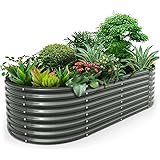
A ANLEOLIFE 8x4x2ft Galvanized Raised Garden Bed Kit, Oval Metal Deep Root Planters for Outdoor Plants Vegetables Flowers Herb, Large Bottomless, 478 Gallon Capacity- Quartz Grey
$119.08 (as of 12:58 GMT -05:00 - More infoProduct prices and availability are accurate as of the date/time indicated and are subject to change. Any price and availability information displayed on [relevant Amazon Site(s), as applicable] at the time of purchase will apply to the purchase of this product.)
Now retrieving an image set.
CABIHOME 2 Pcs 6x3x2 Ft Galvanized Raised Garden Bed, Deep Root Planter Box for Vegetables, Flowers, Herbs- Large Metal Raised Garden Bed Kit for Outdoor Use, Green
$127.87 (as of 08:19 GMT -05:00 - More infoProduct prices and availability are accurate as of the date/time indicated and are subject to change. Any price and availability information displayed on [relevant Amazon Site(s), as applicable] at the time of purchase will apply to the purchase of this product.)- Introduction
- The Truth About Watering a Garden in Hot Weather
- Best Practices for Watering in High Temperatures
- Signs of Stress in Plants Due to Improper Watering
- FAQs
- Conclusion
Introduction
The truth about watering a garden in hot weather is often misunderstood. Many gardeners believe that watering more frequently during a heatwave is the key to keeping their plants healthy and hydrated. However, this can lead to shallow root growth and other issues that could harm the plants in the long run.
Understanding the intricacies of watering techniques in high temperatures can significantly enhance the health of your garden. As we move through 2026, the climate continues to change, pushing gardeners to adapt their practices and find efficient methods to ensure their plants thrive, even in the sweltering heat.
The Truth About Watering a Garden in Hot Weather
Understanding Evaporation Rates
In hot weather, evaporation rates can skyrocket, meaning your plants may not be absorbing as much water as you think. This is critical because if you water at the wrong times, much of that water may evaporate before your plants can benefit from it. Knowing when that peak evaporation occurs can save you time and resources.
For instance, watering during the early morning or late afternoon can minimize evaporation rates. By watering during these cooler periods, more moisture will effectively reach the roots where it’s needed most, rather than dissipating into the hot air.
Choosing the Right Watering Method
The truth about watering a garden in hot weather also includes selecting the appropriate watering method. Different techniques can drastically affect how water penetrates the soil and reaches the roots. Drip irrigation or soaker hoses can provide a slow and steady supply of moisture, reducing runoff and evaporation.
Consider integrating smart watering systems or timers to optimize your irrigation schedule. These technologies can help manage water usage efficiently while ensuring that your plants receive regular watering, even during the hottest parts of the day.
Importance of Soil Management
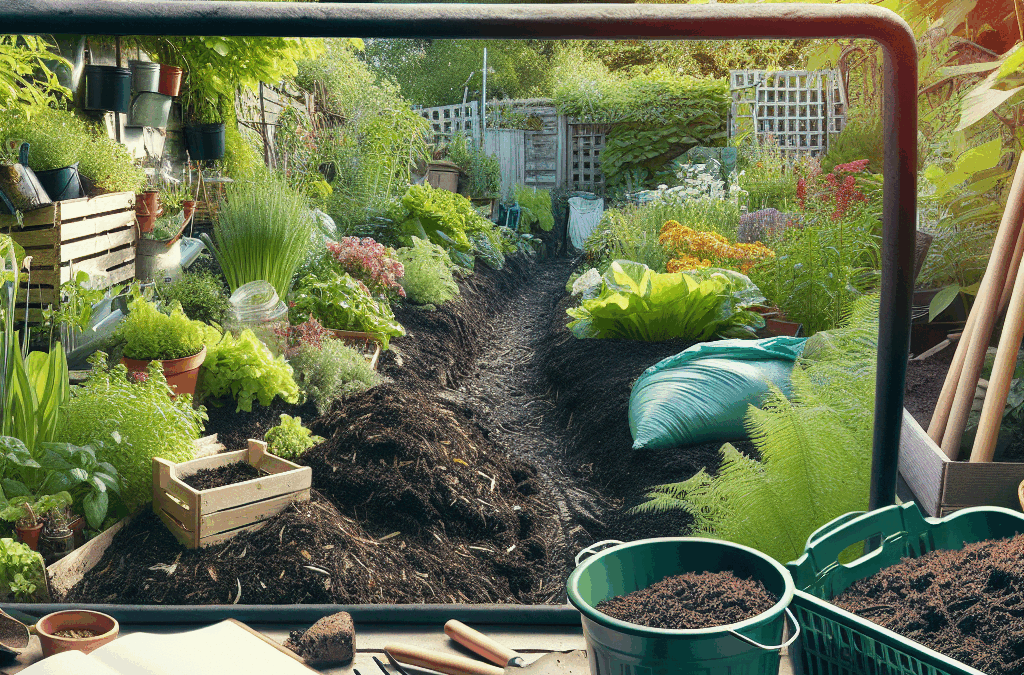
Soil health plays a significant role in your garden’s ability to retain moisture during scorching temperatures. Amending your soil with organic matter like compost can improve its structure and retention capabilities, allowing your garden to hold onto water longer. This is crucial in hot weather when plants are working overtime to stay hydrated.
Additionally, mulching around your plants can help regulate soil temperature and reduce evaporation. A layer of mulch acts as a barrier, helping to lock in moisture and protect the roots from extreme heat, thus promoting healthier plant growth.
Understanding Plant Needs
Different plants have varying water requirements, especially in hot weather. For example, succulents and drought-resistant plants need less water than flowering plants and vegetables, which often demand more attention. Understanding these differences ensures you are not over or under-watering your garden.
It’s also essential to observe your plants for signs of needing more water, such as droopy leaves or changes in color. Tailoring your watering approach to each type of plant can create a more resilient and lush garden, even during challenging conditions.
Best Practices for Watering in High Temperatures
Timing Your Watering Sessions
The effectiveness of watering can dramatically change based on timing, especially in hot weather. Watering in the early morning or later in the evening can result in your plants receiving more beneficial moisture. This timing helps mitigate water loss through evaporation, allowing your plants to absorb what they need.
For instance, if you water at noon, much of that water may evaporate before it even reaches the roots. Establishing a consistent early morning watering routine can lead to healthier plants that thrive despite the heat.
Monitoring Soil Moisture
One of the most effective ways to water wisely is by monitoring your soil’s moisture levels. Tools like soil moisture meters can provide valuable insights into when your plants need water. This is particularly useful during extremely hot weather when the soil can dry out quickly.
You can also use the finger test: simply insert your finger into the soil up to your first knuckle. If the soil feels dry, it’s time to water. By being proactive, you can ensure your plants remain adequately hydrated without overdoing it.
Utilizing Drip Irrigation Systems
Drip irrigation is one of the most efficient methods for watering your garden, especially during hot spells. By delivering water directly to the roots, drip systems minimize evaporation and runoff. They can be easily adjusted to meet the specific watering needs of different plants, making them extremely versatile.
In addition, incorporating timers into your drip irrigation system can automate the process, ensuring that your garden receives consistent moisture even when you’re busy or away. This reduces the stress of scheduling, especially in high-demand periods of summer.
Applying Mulch to Retain Moisture
Covering the soil with mulch is an excellent practice for maintaining moisture levels in your garden. Mulch acts as an insulator, helping to regulate soil temperature and protect plant roots. It effectively reduces the moisture evaporation rate, allowing your plants to thrive during sweltering temperatures.
Get a free subscription to PREPARE – with more gardening and homesteading tips!
Organic mulches, such as wood chips or straw, add nutrients to the soil as they decompose, enhancing its quality over time. A thick layer of mulch not only keeps the soil consistently moist but also suppresses weeds that compete for water and nutrients.
Signs of Stress in Plants Due to Improper Watering
Recognizing Wilting and Leaf Discoloration
One of the earliest signs that your plants might be suffering from inadequate watering is wilting. When plants don’t receive enough water, they begin to droop, and their leaves may lose turgor pressure, making them limp. This often indicates that it’s time to increase your watering routine.
Additionally, yellowing or browning leaves can signify either overwatering or underwatering. It’s essential to distinguish between the two by checking the soil moisture levels. This awareness can help prevent irreversible damage to your plants.
Understanding Root Rot Risk
Overwatering in hot weather can create conditions favorable for root rot, a serious concern for gardeners. Stagnant, overly saturated soil can cause roots to suffocate and decay, leading to plant decline. Knowledge of proper watering techniques can help in avoiding this pitfall.
To prevent root rot, ensure that your plants are in well-draining soil and that you are not watering when it is already moist. Regularly inspecting the roots can also help you catch any issues early before they become severe and affect overall plant health.
Serious Symptoms of Overwatering
Plants that are overwatered may exhibit signs of stress that are often mistaken for underwatering. Symptoms can include drooping leaves, brown leaf tips, and stunted growth. It’s crucial to strike a balance to maintain a healthy garden.
Implementing a consistent watering schedule and monitoring environmental conditions like temperature and humidity will help you adjust your watering habits. Remember, paying close attention to the signs your plants provide can save them in the long run.
Preventing Long-Term Damage
Understanding the signs of distress in your plants is crucial for effective gardening. Failing to address these signs promptly can lead to long-term damage, impacting your garden’s health. It’s essential to recognize the unique needs of your plants during hot weather.
Paying attention to their responses can significantly improve your gardening success. By adjusting your watering practices according to the signs your plants exhibit, you can foster a more resilient garden capable of thriving in challenging conditions.
FAQs
What is the truth about watering a garden in hot weather?
The truth about watering a garden in hot weather is that it requires a more tailored approach compared to cooler climates. Watering too frequently or inappropriately can lead to shallow roots or root rot. It is essential to water during the cooler parts of the day and assess soil moisture levels regularly to ensure your plants receive adequate hydration without being overwatered.
How often should I water my garden in hot weather?
In high temperatures, gardens typically need watering more frequently, about 1-2 times per week, depending on the type of plants and soil conditions. Monitoring the soil moisture is crucial; if the top inch is dry, it’s time to water. Watering deeply but less frequently encourages deeper root growth, which is advantageous during hot spells.
Is it better to water in the morning or evening?
Watering in the early morning is generally recommended as it allows the plants to absorb moisture before the heat of the day causes evaporation. Morning watering also helps prevent disease, as damp foliage at night can foster fungal growth. However, evening watering can still be effective if it’s done early enough to allow leaves to dry before nightfall.
What are the best mulch options for hot weather?
Organic mulches like straw, wood chips, and shredded bark are effective options for hot weather. They not only help retain moisture but also improve soil structure as they decompose. Inorganic options like gravel can also be used, but they do not contribute nutrients. Selecting the right mulch can have a lasting impact on moisture retention in your garden.
How can I tell if my plants need more water?
Signs that your plants may need more water include wilting leaves, yellowing foliage, and dry soil. Checking the top inch of soil can be a quick indicator; if it’s dry, it’s usually time to water. Different plants have different water needs, so it’s essential to be observant and adjust your care accordingly.
Conclusion
The truth about watering a garden in hot weather is crucial for maintaining healthy plants amidst the challenges of extreme temperatures. Understanding proper techniques and monitoring your garden’s needs can make all the difference, leading to vibrant blooms and robust growth. As we navigate through 2026, adapting our watering strategies will not only enhance our garden’s health but also contribute to sustainable gardening practices.
Get a free subscription to PREPARE – with more gardening and homesteading tips!
Find out more information about “The truth about watering a garden in hot weather”
Search for more resources and information:
Related Content
- Colorado legislature passes bill to allow human <b>composting</b>
- Growing Your Own Produce: The Healthiest Option for You and the Planet
- Gustavus Sustainability: Compost Bins – The Gustavian Weekly
- The Ultimate Guide to Organic Gardening Soil Preparation Strategies for 2025
- Why to compost your Thanksgiving leftovers – YouTube