Now retrieving an image set.
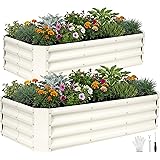
INNO STAGE 2Pcs Galvanized Raised Garden Bed Kit, 4x2x1FT Metal Raised Garden Beds for Vegetables, Rust-Resistant & Easy Assembly, Outdoor Raised Beds for Gardening, Flowers, Herbs (White)
$47.29 (as of 08:19 GMT -05:00 - More infoProduct prices and availability are accurate as of the date/time indicated and are subject to change. Any price and availability information displayed on [relevant Amazon Site(s), as applicable] at the time of purchase will apply to the purchase of this product.)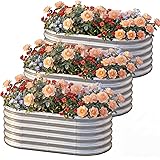
Now retrieving an image set.
AHEONLAR 3 Pack 4×2×1.5ft Galvanized Raised Garden Beds Outdoor, Sturdy Planter Boxes for Vegetables, Fruits, Flowers and Plants, Easy Assembly, Silver
$89.99 (as of 08:19 GMT -05:00 - More infoProduct prices and availability are accurate as of the date/time indicated and are subject to change. Any price and availability information displayed on [relevant Amazon Site(s), as applicable] at the time of purchase will apply to the purchase of this product.)- Start with Quality Soil and Amendments
- Choose the Best Organic Strawberry Varieties
- Plan Your Planting Schedule
- Implement Efficient Watering Techniques
- Use Natural Pest and Disease Control
- Apply Organic Fertilizers Correctly
- Utilize Mulching and Ground Covers
- Practice Pruning and Plant Maintenance
- Harvest and Store Strategically
- Track Your Progress and Adjust Tactics
1. Start with Quality Soil and Amendments
Importance of Soil Health for Organic Strawberries
Growing organic strawberries begins with the foundation: healthy, nutrient-rich soil. In 2025, sustainable gardening emphasizes building soil vitality without synthetic chemicals. I recommend testing your soil beforehand to understand its pH and nutrient levels. Strawberries thrive in slightly acidic soil with a pH around 6.0 to 6.5. If your soil is too acidic or alkaline, organic amendments like compost, aged manure, or natural lime can help balance it.
Healthy soil not only supplies essential nutrients but also improves water retention and aeration. Incorporating organic matter annually ensures your strawberries have the nutrients they need throughout the growing season. For example, applying a layer of compost in early spring can boost soil fertility and microbial activity.
Research from 2025 indicates that soil enriched with organic compost can increase strawberry yields by up to 25% compared to conventional soil management. This underscores the importance of soil preparation in your tips for growing organic strawberries.
Organic Amendments and Tips for Success
Using organic amendments like kelp meal, fish emulsion, and bone meal enhances your soil naturally. These amendments improve soil nutrient content and foster beneficial microbial life. When preparing your planting beds, mix these amendments thoroughly into the top 8-12 inches of soil.
I also advise applying compost tea regularly during the growing season. It boosts plant health and increases resistance to pests and diseases. In 2025, innovative compost teas infused with beneficial microbes are trending among organic growers.
Remember, patience is key â improving soil health in 2025 can take a season or two, but the results in plant vigor and fruit quality are well worth it.
2. Choose the Best Organic Strawberry Varieties
Popular Organic Strawberry Cultivars for 2025
Selecting the right strawberry varieties is crucial for organic success. In 2025, some of the most popular organic-friendly cultivars include Albion, Seascape, and Evie-2. These varieties are known for their disease resistance, flavor, and adaptability to organic growing conditions.
I recommend choosing disease-resistant types to minimize the need for organic sprays and interventions. Additionally, consider your local climate; northern regions benefit from cold-hardy varieties, while warmer climates might favor ever-bearing types for continuous harvests.
Real-world organic growers have reported that Albion produces large, sweet berries with excellent shelf life, making it a favorite among organic farmers in 2025.
How to Select Quality Organic Plants
Start with certified organic nursery plants to ensure they haven’t been treated with synthetic chemicals. Inspect the plants for healthy foliage, vigorous roots, and absence of pests or diseases. When buying, ask for organic certificates and grower guarantees.
Growing your strawberries from certified organic plants ensures your entire crop remains compliant with organic standards. In 2025, online organic plant suppliers offer superior quality options that can be shipped directly to your garden.
Once established, these varieties will provide you with delicious, chemical-free strawberries that meet the increasing demand for organic produce.
3. Plan Your Planting Schedule
Best Time to Plant Organic Strawberries in 2025
Timing is everything. In 2025, the optimal time to plant strawberries depends on your regionâs climate. In most temperate zones, early springâonce the soil warms to about 50°F (10°C)âis best. For fall planting, aim for a window before the first frost to establish roots before winter.
Plantting during the right period minimizes stress and maximizes fruit production. Check local NOAA planting guides or contact local extension services for tailored advice. Proper timing can vastly improve your yields and plant health.
Experience shows that planting too early in cold soils can lead to poor root development, while late planting reduces the growing season. In 2025, climate trends favor earlier planting in some regions, thanks to milder winters.
Preparing for Planting Success
Before planting, prepare your beds with organic compost and mulch. This protects roots from temperature fluctuations and weeds. Also, mark your planting dates on the calendar and schedule soil warming activities if needed.
Early preparation in 2025 will help ensure your strawberries get off to a strong start. Keep records of planting dates to refine your schedule year after year for maximum productivity.
4. Implement Efficient Watering Techniques
Water Management for Organic Strawberries
Consistent moisture is vital. Organic strawberries need about 1-1.5 inches of water weekly, especially during fruiting. Drip irrigation is ideal because it delivers water directly to the roots, reducing disease risk and conserving water.
In 2025, smart irrigation systems that integrate weather data are becoming increasingly popular. They automatically adjust watering schedules based on rainfall and soil moisture, saving water and energy.
Avoid overhead watering, which can promote fungal diseases. Mulching also helps retain soil moisture and keeps weeds at bay, further reducing water needs.
Rainwater Harvesting and Organic Water Supplies
Using rainwater collected from rooftops is an excellent way to supply your organic strawberries with clean, chemical-free water. Set up rain barrels or tanks for sustainable watering practices. This not only saves money but also aligns with organic principles.
In 2025, innovative water filtration and storage systems are making it easier for hobbyists and commercial growers to use rainwater effectively. Proper watering techniques will significantly influence your cropâs health and yield.
Consistency is keyâmonitor soil moisture regularly with simple tools like tensiometers or moisture meters to avoid over or under-watering.
5. Use Natural Pest and Disease Control
Integrated Pest Management in Organic Strawberry Cultivation
In 2025, natural pest management has become more sophisticated. Employ methods like encouraging beneficial insects â ladybugs, lacewings, and predatory mites â to control common pests like aphids and spider mites.
Planting companion herbs such as basil, garlic, and chives can deter pests naturally. Additionally, barrier techniques like row covers keep pests off your strawberries during critical growth periods.
Regularly inspect your plants and act early before pests become a serious issue. Organic neem oil and insecticidal soaps are effective if applied correctly and sparingly to minimize impact on beneficial insects.
Disease Prevention Strategies
Common diseases like gray mold and powdery mildew thrive in humid conditions. Ensuring proper air circulation and avoiding overhead watering can reduce their incidence. Using resistant strawberry varieties also helps.
Applying organic fungicides, such as copper or sulfur-based products, can provide additional protectionâalways adhere to organic standards and label instructions.
Good sanitation, like removing plant debris and old leaves, lessens disease reservoirs, making your organic strawberries healthier overall.
6. Apply Organic Fertilizers Correctly
Best Organic Fertilizers for 2025
In 2025, the focus is on sustainable and eco-friendly fertilization. Organic options like composted manure, fish emulsion, seaweed extracts, and bone meal are highly recommended. These supplies provide a balanced nutrient profile without synthetic chemicals.
Get a free subscription to PREPARE – with more gardening and homesteading tips!
Apply fertilizers in early spring at planting and again during active growth, especially before flowering and fruiting. This helps maximize yield quality and quantity.
Remember, over-fertilization can lead to lush foliage but poor fruiting. Follow recommended application rates and use soil testing to guide your fertilization schedule.
Organic Fertilizer Application Tips
Use organic liquid feeds for quick nutrient uptake, especially during critical growth stages. Dry amendments like compost or bone meal can be incorporated into the soil beforehand.
Foliar feeding with organic solutions can supply nutrients directly to leaves, boosting plant vigor. Apply during cooler parts of the day to prevent leaf burn.
In 2025, integrating compost teas and organic slow-release fertilizers helps maintain consistent nutrient levels throughout the growing season.
7. Utilize Mulching and Ground Covers
Benefits of Mulching for Organic Strawberry Gardens
Mulching is a game-changer for organic strawberry growers. Organic mulches like straw, pine bark, or shredded leaves suppress weeds, conserve moisture, and regulate soil temperature. These benefits directly impact plant health and fruit size.
In 2025, straw mulch remains popular, especially as itâs a renewable resource and easy to work with. Regularly replenish mulch layers to maintain effectiveness.
Mulching also prevents soil erosion and keeps berries cleaner and less prone to rot when wet conditions prevail.
Ground Cover Options and Techniques
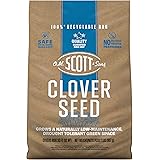
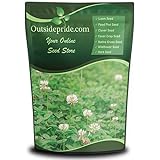
Living ground covers like clover or fescue can also promote soil health and attract beneficial insects. However, they require careful management to prevent competition with strawberries.
Apply organic mulch immediately after planting for best results. Cover all exposed soil around plants, leaving space for air circulation.
Proper mulching is a key part of your tips for growing organic strawberries, especially in 2025âs environmentally conscious farming landscape.
8. Practice Pruning and Plant Maintenance
Key Pruning Techniques for Healthy Strawberries
Regular pruning encourages better airflow, reduces disease risk, and boosts fruit production. Remove runners unless you want to propagate new plants, as they divert energy from fruiting.
In 2025, strategic pruning, including removing old or diseased leaves, helps maintain plant vitality. Light pruning around flowering improves light penetration to developing berries.
Use clean, sharp tools and discard pruned material properly to prevent disease spread. Proper pruning ensures your organic strawberries remain healthy and productive.
Maintaining Your Plants for Optimal Growth
Consistently monitor for pests, diseases, and nutrient deficiencies. Apply organic foliar feeds as needed and ensure supportive staking or cages for fruit-bearing plants.
Incorporating crop rotation and soil improvements annually helps prevent soil-borne diseases. Good plant care channels resources to where they matter most for fruit quality.
Effective maintenance is part of the critical tips for growing organic strawberries successfully in 2025.
9. Harvest and Store Strategically
When and How to Harvest Organic Strawberries
Harvest strawberries at peak ripeness for best flavor and natural sweetness. In 2025, most organic strawberries are ready when fully red and slightly glossy. Picking in the cool morning preserves freshness.
Handle berries gently to avoid bruising and store them in shallow containers. Organic strawberries have a shorter shelf life, so plan to consume or process quickly.
Proper harvesting techniques preserve fruit quality and reduce waste, making your organic efforts more rewarding.
Best Practices for Storage and Preservation
Keep strawberries refrigerated at 32-36°F and consume within 2-3 days. For longer storage, consider organic freezing or drying methods, ensuring no synthetic preservatives are involved.
In 2025, innovations in organic edible coatings are helping extend shelf life naturally, reducing food waste.
Learning proper harvest and storage techniques is essential to maximize your cropâs potential and enjoy organic strawberries at their best.
10. Track Your Progress and Adjust Tactics
Keeping Records for Better Results
Maintaining detailed records of planting dates, varieties, amendments, watering schedules, and pest management helps you refine your organic strawberry cultivation each year. In 2025, digital tools and apps simplify record-keeping.
Review your results seasonally to identify what worked and where improvements are needed. This ongoing adjustment enables sustainable and productive growth.
Successful organic growers attribute their success to diligent monitoring and willingness to adapt their methods for the best outcomes.
Continuous Improvement Strategies
Attend organic gardening workshops, participate in online forums, and stay updated with the latest research and trends in 2025. These resources help you implement innovative tips for growing organic strawberries effectively.
Experiment with new organic practices in small plots before scaling up. Always prioritize soil health, plant vigor, and pest management in your evolving strategies.
By tracking and adjusting your practices, youâll enjoy abundant, tasty organic strawberries year after year, truly exemplifying the power of effective tips for growing organic strawberries.
Frequently Asked Questions
- What are the top tips for growing organic strawberries in 2025?
- Essential tips include starting with quality soil, choosing resistant varieties, irrigating efficiently, using organic pest control, and practicing proper pruning and harvesting techniques.
- How do I prevent pests without synthetic chemicals?
- Utilize beneficial insects, companion planting, row covers, and organic sprays like neem oil or insecticidal soap to manage pests naturally.
- When is the best time to plant organic strawberries?
- The best planting times depend on your climate, but generally early spring or fall are optimal for temperate regions in 2025.
- How can I extend the shelf life of my organic strawberries?
- Harvest at peak ripeness, refrigerate promptly, use organic coatings or freezing, and handle berries gently.
- Why is soil health crucial for growing organic strawberries?
- Healthy soil provides essential nutrients, enhances plant resistance, and supports sustainable growth, making it a fundamental tip for growing organic strawberries.
Conclusion
In 2025, mastering the tips for growing organic strawberries is more important than ever. Whether youâre a hobbyist or a seasoned organic gardener, applying these strategies will help you produce vibrant, tasty, and chemical-free strawberries. From soil preparation to harvest, each step contributes to healthier plants and better yields. Remember, consistency and adaptation are keyâby following these 10 effective tips for growing organic strawberries, youâll elevate your gardening game and enjoy bountiful organic fruit throughout the season. Happy growing!
Get a free subscription to PREPARE – with more gardening and homesteading tips!
Related Content
- Keeping your family healthy with an organic garden
- Wyoming Funeral Directors Open To Body Composting In Addition to Cremation, Burial …
- Why You Should Consider Starting a Home Veggie Patch Today
- Dial Up Earth Day Festivities by Partying with Paint and Sip Live on Earth Day 2021
- Hundreds of new complaints filed against Delta organics facility