Now retrieving an image set.
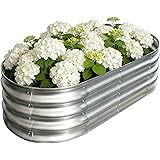
Vivagarden Galvanized Raised Garden Bed Outdoor, Large Raised Bed for Gardening, 4x2x1ft Metal Planter Box for Vegetables, Fruits, Flowers, Easy Assembly with Wing Nuts & Safe Rolled Design, Silver
$20.99 (as of 12:59 GMT -05:00 - More infoProduct prices and availability are accurate as of the date/time indicated and are subject to change. Any price and availability information displayed on [relevant Amazon Site(s), as applicable] at the time of purchase will apply to the purchase of this product.)
Now retrieving an image set.
Land Guard 8ft Galvanized Raised Garden Bed Kit, Raised Garden Boxes Outdoor, Oval Metal Raised Garden Beds for Vegetables, Silver,108 Gallon Capacity(with 10 Connecting rods)
$39.99 (as of 12:59 GMT -05:00 - More infoProduct prices and availability are accurate as of the date/time indicated and are subject to change. Any price and availability information displayed on [relevant Amazon Site(s), as applicable] at the time of purchase will apply to the purchase of this product.)If you’re passionate about home gardening, then learning the best tips for growing peppers at home can significantly improve your harvest in 2025. Peppers are a rewarding crop, offering vibrant colors and delicious flavors, but they require proper care and attention. In this guide, I’ll share proven strategies to help you succeed with your pepper plants this year.
1. Choose the Right Peppers for Your Space
Select Suitable Varieties
Choosing the right pepper varieties is the first step in effective tips for growing peppers at home. In 2025, there are numerous options ranging from sweet bell peppers to fiery habaneros. Consider your climate, available space, and personal taste preferences when selecting varieties. For small balconies or indoor gardens, compact and dwarf varieties like ‘Mini Belle’ or ‘Palmira’ are excellent choices.
Consider Your Growing Environment
If you’re growing peppers indoors, opt for varieties that perform well in containers and under controlled lighting. Outdoors, choose those resilient to local weather patterns. For example, hot peppers thrive in warmer climates, whereas sweet peppers tolerate cooler temperatures better.
Start with Healthy Seedlings or Seeds
Starting with healthy seeds or seedlings sets the foundation for a successful harvest. Buy from reputable suppliers who provide high-quality, disease-free plants. In 2025, many gardeners are also experimenting with organic seed sources to promote sustainability.
2. Optimize Soil and Fertilization
Use Well-Draining Soil
Peppers thrive in well-draining soil rich in organic matter. In 2025, many home gardeners are blending compost, peat moss, and perlite to create optimal soil conditions. Proper drainage prevents root rot, which is a common problem for pepper plants.
Maintain Proper Nutrient Levels
Regular fertilization is key to boosting pepper productivity. Use a balanced fertilizer with nitrogen, phosphorus, and potassium, and supplement with micronutrients like magnesium and calcium. Organic options like fish emulsion or seaweed extract are also popular among eco-conscious growers.
Monitor Soil pH
Peppers prefer slightly acidic to neutral soil, with a pH between 6.0 and 7.0. Regular soil testing helps you adjust pH levels accordingly. In 2025, digital soil testers make monitoring simple and precise, ensuring your plants get the nutrients they need.
3. Provide Adequate Light for Healthy Growth
Ensure Sufficient Sunlight
Peppers require at least 6-8 hours of direct sunlight daily. For outdoor gardens, position your plants in the sunniest spot possible. If growing indoors, consider using grow lights that mimic sunlight, especially during winter months.
Choose the Right Grow Lights
LED grow lights are energy-efficient and offer customizable spectra suited for peppers. In 2025, smart lighting systems can automatically adjust light cycles for optimal growth stages, leading to better yields and healthier plants.
Maximize Light Exposure
Rotate your potted plants regularly to ensure even light distribution. Remove any shading objects and keep windows clean if growing indoors. Proper lighting not only promotes vigorous growth but also influences pepper flavor and heat level.
4. Maintain Proper Watering Practices
Establish a Consistent Watering Schedule
Overwatering or underwatering can stress your pepper plants. A good rule of thumb is to water when the top inch of soil feels dry. In 2025, using moisture meters or smart watering systems can help maintain optimal hydration levels.
Avoid Water Stress
Consistent watering helps prevent blossom-end rot and improves fruit quality. During hot and dry spells, monitor soil moisture more frequently, and consider mulching to conserve moisture and regulate soil temperature.
Use Proper Watering Techniques
Water at the base of the plant to minimize foliar diseases. Aim for deep watering to encourage strong root systems. Collecting rainwater is also an eco-friendly option that many growers are adopting in 2025.
5. Control Pests and Diseases Effectively
Identify Common Pests
Pests like aphids, whiteflies, and pepper weevils are common challenges in homegrown peppers. Regular inspection allows early detection and management. Implement natural predators or organic insecticides as preferred solutions.
Prevent and Manage Diseases
Fungal issues such as powdery mildew and bacterial spot can affect your peppers. Ensuring good air circulation and proper spacing reduces disease risk. In 2025, disease-resistant pepper varieties are increasingly popular among organic growers.
Practice Integrated Pest Management (IPM)
Combining biological, cultural, and mechanical methods creates a sustainable approach to pest control. Use neem oil, companion planting, and physical barriers to protect your peppers without chemical reliance.
6. Prune and Support Your Pepper Plants
Pruning for Better Airflow
Regular pruning encourages healthy growth and larger fruit production. Remove yellowing or overcrowded leaves to enhance airflow, which helps prevent diseases. In 2025, many gardeners use pruning shears with ergonomic designs for ease and safety.
Supporting Fruit-Bearing Plants
Trellises, cages, or stakes keep plants upright and prevent damage from heavy fruit loads. Supporting peppers also minimizes disease risk by reducing contact with soil and moisture.
Get a free subscription to PREPARE – with more gardening and homesteading tips!
Managing Overgrowth
Controlling plant size keeps your garden manageable and maximizes space efficiency. Proper support and pruning lead to higher yields and more accessible harvesting.
7. Optimize Temperature and Humidity
Maintain Ideal Temperature Ranges
Peppers prefer daytime temperatures between 70°F and 85°F, and night temperatures above 55°F. In 2025, climate control options like patio heaters or coolers help maintain consistent conditions, especially in variable climates.
Control Humidity Levels
High humidity can promote fungal growth, while low humidity may cause plants to wilt. Use dehumidifiers or misting systems as needed to keep humidity levels balanced for optimal growth.
Monitor and Adjust Environment
Using digital sensors or smart controllers, gardeners can automate climate adjustments. Staying vigilant about temperature and humidity ensures healthier plants and better fruit production.
8. Harvest at the Right Time
Identify Ripeness
Knowing when to harvest is crucial for flavor and maximum yield. Peppers change color when ripe; for example, many hot peppers turn bright red or orange, while bell peppers are ready when they reach full size and color.
Use Proper Harvesting Techniques
Use scissors or garden shears to cut peppers from the plant, leaving a small stem. Avoid pulling or twisting, which can damage the plant or fruit. In 2025, smart harvest timers and sensors can notify you when your peppers are ready.
Post-Harvest Handling
Handle peppers gently to prevent bruising. Store them in a cool, dry place or refrigerate. Proper storage extends shelf life and maintains quality for culinary use.
9. Grow Peppers Indoors or Outdoors
Advantages of Indoor Cultivation
Indoor growing offers control over environment, making it ideal for extending the growing season in 2025. Using grow lights, warm temperatures, and controlled humidity, you can enjoy fresh peppers year-round.
Outdoor Growing Tips
Outdoor cultivation takes advantage of natural sunlight and space, typically resulting in higher yields. Protect your plants from pests and extreme weather with covers or mini-greenhouses.
Deciding Which Method Works Best
Consider your available space, climate, and personal preferences. Both methods can produce excellent peppers if you follow the right tips for growing peppers at home tailored to your environment.
10. Record and Adjust Your Methods
Keep a Gardening Journal
Document your planting dates, varieties, watering schedules, and growth observations. Tracking this information helps identify what works best in your specific conditions in 2025.
Analyze Results and Improve
Use your records to adjust fertilization, watering, or pruning schedules. Continuous improvement leads to better yields and healthier plants over time.
Stay Informed with Latest Trends
Follow gardening blogs, local extension services, and industry updates. Staying informed about new techniques and varieties helps you implement the best tips for growing peppers at home in 2025.
Frequently Asked Questions
1. What are the best peppers to grow at home in 2025?
Popular choices include bell peppers, jalapeños, habaneros, and mini peppers. Choose varieties suited to your climate and space for the best results.
2. How often should I water my pepper plants?
Water when the top inch of soil feels dry, typically every 2-3 days, but adjust based on weather and container size. Consistent watering is key to healthy growth.
3. What are the essential tips for growing peppers at home in 2025?
Key tips include selecting suitable varieties, providing adequate light, optimizing soil, maintaining proper watering, and controlling pests effectively.
4. Can I grow peppers indoors year-round?
Yes, with adequate lighting, temperature control, and proper watering, indoor gardening allows for year-round pepper production in 2025.
Get a free subscription to PREPARE – with more gardening and homesteading tips!
Related Content
- 8 Common Composting Mistakes You’re Probably Making (and How to Fix Them)
- Don’t judge produce by its packaging
- New Year resolutions that will help you get the most out of your garden in 2022 | The …
- This Beautiful Pear Tree Grows Butterscotch Candy In Your Yard!
- Lower Mount Bethel stump farm wins DEP permit after 7-year fight – The Morning Call