Now retrieving an image set.
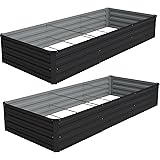
Vengarus 2 Pack 9x3x1FT Galvanized Raised Garden Bed Kit, Outdoor Metal Planter Box for Vegetables, Rectangular Steel Container, Easy Assembly (Black)
$58.99 (as of 12:58 GMT -05:00 - More infoProduct prices and availability are accurate as of the date/time indicated and are subject to change. Any price and availability information displayed on [relevant Amazon Site(s), as applicable] at the time of purchase will apply to the purchase of this product.)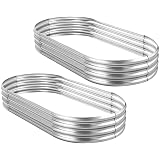
Now retrieving an image set.
Land Guard 2Pcs Galvanized Raised Garden Bed Kit, Galvanized Planter Oval Large Metal Raised Garden Boxes Outdoor for Vegetables…
$39.99 (as of 12:58 GMT -05:00 - More infoProduct prices and availability are accurate as of the date/time indicated and are subject to change. Any price and availability information displayed on [relevant Amazon Site(s), as applicable] at the time of purchase will apply to the purchase of this product.)Table of Contents
- 1. Choosing the Right Tomato Varieties
- 2. Optimal Planting Time and Space
- 3. Soil Preparation and Fertilization
- 4. Proper Watering Techniques
- 5. Lighting and Sunlight Requirements
- 6. Pest and Disease Management
- 7. Support Structures and Pruning
- 8. Harvesting and Ripening
- 9. Common Mistakes to Avoid
- 10. Utilizing Modern Gardening Technologies
1. Choosing the Right Tomato Varieties
Understanding Different Tomato Types
When learning the tips for growing tomatoes at home, selecting the right tomato variety is foundational. In 2025, gardeners have access to a vast array of options, from cherry and grape tomatoes to large heirlooms. Your choice depends on your space, taste preference, and intended use. For small spaces or container gardens, determinate varieties like ‘Bush Early Girl’ are perfect because they tend to be compact and easier to manage.
For those seeking flavor and uniqueness, heirloom varieties such as ‘Brandywine’ or ‘Cherokee Purple’ are excellent. These often produce tomatoes with richer flavors but may require more attention and care. Conversely, hybrid varieties often have better disease resistance and higher yields, making them ideal for beginners.
Research recent trends in 2025: breeders have developed tomato varieties with improved disease resistance and climate adaptability, perfect for variable weather conditions. Using such varieties can significantly increase your success rate.
Choosing Disease-Resistant Cultivars
In recent years, the focus on disease-resistant tomato cultivars has intensified, making it easier for home growers to succeed. Varieties resistant to common issues like blight, fusarium wilt, and nematodes are now widely available.
Incorporating resistant varieties into your garden not only saves time and effort but also reduces the need for chemical interventions. Look for labels indicating disease resistance when purchasing seeds or seedlings.
For 2025, I recommend selecting at least one or two resistant varieties to ensure a more resilient harvest, especially if you live in areas prone to specific tomato diseases.
2. Optimal Planting Time and Space
Timing Your Planting for Best Results
One of the crucial tips for growing tomatoes at home is planting at the right time. In 2025, climate data shows that most regions should aim to plant after the last frost date, typically between late April and early May. Tomatoes are sensitive to cold temperatures, so waiting for soil and air temperatures to consistently stay above 55°F (13°C) is vital.
Utilizing local weather forecasts and soil temperature sensors can help you pinpoint the perfect planting window. Early planting risks frost damage, while late planting may shorten your growing season. For extended harvests, consider starting seeds indoors 6-8 weeks before the planting outdoors.
Remember, timing your plantings correctly will give your tomatoes a longer, healthier growing period with better yields.
Maximizing Space in Small Gardens or Containers
Space management is essential, especially for urban gardeners or those with limited yard space. Container gardening is a popular choice in 2025, with many compact tomato varieties suited for pots, hanging baskets, or raised beds.
When allocating space, ensure each plant has enough room to growâgenerally, determinate varieties need about 1-2 square feet, while indeterminate types may require more room for sprawling stems.
Vertical gardening techniques such as trellising and cage support can maximize your growing area. Proper spacing not only promotes air circulation, reducing disease risk but also allows each plant to access adequate sunlight and nutrients.
3. Soil Preparation and Fertilization
Creating the Perfect Growing Medium
Healthy soil is the foundation of successful tips for growing tomatoes at home. In 2025, recent research emphasizes the importance of well-draining, nutrient-rich soil tailored to tomatoes. Use a mix of compost, aged manure, and organic matter to boost soil fertility.
A soil pH between 6.0 and 6.8 is optimal for tomato growth. Testing your soil with a simple kit can help you adjust pH levels by adding lime or sulfur as needed. Aerating your soil ensures proper root development and nutrient absorption.
Incorporating organic matter improves soil structure, enhances microbial activity, and provides essential nutrients gradually, reducing the need for chemical fertilizers.
Fertilizing for Strong Growth and High Yield
Consistent fertilization is crucial in 2025 gardening to support vibrant plant growth. Use a balanced NPK fertilizer (such as 10-10-10) at planting, and switch to a tomato-specific formula with higher phosphorus once flowering begins.
Applying slow-release fertilizers or organic options like fish emulsion and seaweed extract can provide sustained nutrients. Regular feedingâabout once every 2-3 weeksâensures your tomatoes have the nutrients necessary for robust fruit development.
Over-fertilizing can lead to lush foliage but poor fruit production, so monitor your plants’ health and adjust fertilization accordingly.
4. Proper Watering Techniques
Watering for Consistent Moisture
Proper watering is among the most fundamental tips for growing tomatoes at home. Tomatoes need consistent moisture to produce abundant, flavorful fruit. In 2025, many gardeners are adopting drip irrigation and soaker hoses to provide steady, deep watering without wetting foliage.
Deep watering encourages strong root systems, which makes plants more drought-tolerant and resistant to stress. Avoid shallow or irregular watering, which can cause blossom end rot and cracking.
Monitoring soil moisture with a simple finger test or moisture meter can help you respond promptly and avoid over or underwatering.
Timing and Method of Watering
Water early in the morning to reduce evaporation and prevent fungal diseases caused by prolonged leaf wetness. During hot weather, tomatoes may need watering every 1-2 days, depending on weather conditions and soil type.
Adjust your watering schedule based on rainfall and soil dryness. Mulching around the plants conserves moisture, moderates soil temperature, and suppresses weeds, all of which are vital components of effective watering tips for 2025.
Consistent watering leads to sweeter, better-quality tomatoes, making your efforts worthwhile.
5. Lighting and Sunlight Requirements
Maximizing Sun Exposure for Tomato Plants
Tomatoes are sun-loving plants, and ensuring they receive enough light is a key tip for growing tomatoes at home. In 2025, research confirms that 6-8 hours of direct sunlight per day yields optimal fruit production.
Place your tomato containers or garden beds in a south-facing location if possible. If sunlight is limited, consider using supplemental grow lights, especially for urban or indoor gardening.
Proper lighting not only boosts photosynthesis but also influences fruit development, sweetness, and overall plant health.
Using Artificial Lighting in Indoor Gardening
In recent advancements, LED grow lights tailored for vegetative and flowering stages have become more affordable and energy-efficient. These lights can supplement natural sunlight, especially in winter months or shaded areas.
For indoor setups, aim for 14-16 hours of light daily during the growing phase, then reduce to 12 hours as the plants fruit. Position lights about 12-18 inches above the plants for maximum effectiveness.
By optimizing lighting, you give your tomatoes the best chance to thrive in 2025, regardless of external weather conditions.
6. Pest and Disease Management
Preventing Common Tomato Pests
Pests like aphids, whiteflies, and tomato hornworms are common challenges in 2025. Implementing integrated pest management (IPM) strategies is essential for healthy plants.
Regular inspection, encouraging beneficial insects like ladybugs, and using organic pest controls can help keep pest populations in check. Covering plants with row covers can physically prevent pests from reaching your crops.
Creating a diverse garden with companion plants such as basil or marigolds can also repel harmful pests naturally.
Get a free subscription to PREPARE – with more gardening and homesteading tips!
Managing Diseases Effectively
Fungal diseases such as early blight and late blight remain prevalent. To combat this, rotate your crops yearly and remove infected plant debris promptly.
Applying organic fungicides and ensuring good air circulation around plants can significantly reduce disease incidence. Selecting disease-resistant varieties when possible adds an extra layer of protection.
Staying vigilant and early intervention are the best practices in 2025 for a pest- and disease-free tomato crop.
7. Support Structures and Pruning
Supporting Your Tomato Plants
Support structures like cages, stakes, and trellises are vital tips for growing tomatoes at home. They keep plants upright, improve air circulation, and make harvesting easier.
In 2025, many gardeners are adopting vertical growing systems using durable materials like bamboo, wire, or plastic cages. Proper support helps prevent branches from breaking under the weight of ripe fruit.
Choose support systems based on your space and tomato variety; indeterminate types benefit most from tall cages, while determinate types often do well with simpler stakes.
Effective Pruning Techniques
Pruning encourages better airflow and directs the plantâs energy toward fruit production. Removing suckersâthe small shoots that develop between the main stem and branchesâkeeps the plant concentrated and easier to manage.
In 2025, precise pruning combined with support fuels higher yields and healthier plants. Use clean, sharp tools to prune and always dispose of diseased plant parts to prevent disease spread.
Regular pruning, especially during the vegetative stage, is a proven practice to optimize your tomato harvest.
8. Harvesting and Ripening
The Best Time to Harvest Tomatoes
Knowing when to harvest is a key tip for growing tomatoes at home. Ripe tomatoes typically turn a vibrant colorâred, pink, purple, or yellowâdepending on the variety. They should feel firm but yield slightly to gentle pressure.
In 2025, harvesting at the peak ripeness ensures maximum flavor and nutritional value. Use clean scissors or pruning shears to pick tomatoes, reducing damage to the plant.
Regular harvesting encourages the plant to produce more fruit and prevents overripe tomatoes from attracting pests.
Ripening Techniques for Better Flavor
If you pick your tomatoes slightly underripe, you can ripen them indoors by placing them in a paper bag with a banana or apple, which releases ethylene gas to speed up ripening. Store tomatoes at room temperature, away from direct sunlight.
Avoid refrigeration until fully ripe, as cold temperatures dull flavor and texture. Proper ripening is crucial for enjoying home-grown tomatoes at their best in 2025.
Harvesting and ripening properly are vital steps in maximizing your tomato cropâs potential success.
9. Common Mistakes to Avoid
Overwatering and Underwatering
Many novice gardeners struggle with watering issues. Overwatering can lead to root rot, while underwatering stresses the plants and reduces yield. In 2025, consistent moisture management is emphasized.
Check soil moisture regularly and adapt watering schedules based on weather and soil conditions. Mulching can help maintain even moisture levels.
Learning to read plant signalsâwilting or yellowing leavesâhelps prevent these common mistakes and promotes healthy growth.
Neglecting Pollination and Fertilization
Tomatoes need sufficient pollination to set fruit. Lack of pollination can result in misshapen or fewer tomatoes. Encourage bee activity or gently shake plants to simulate pollination for better fruit set.
Additionally, skipping fertilization can weaken plants. Regular feeding with appropriate fertilizers supports healthy flowering and fruiting.
Avoid these errors by planning a consistent care routine, creating a successful environment for your tomatoes.
10. Utilizing Modern Gardening Technologies
Smart Gardening Devices for 2025
Technology plays an increasingly important role in successful home gardening. Smart sensors and automated watering systems help maintain optimal conditions for your tomato plants. In 2025, these tools are more accessible and user-friendly than ever.
Using apps to monitor soil moisture, light levels, and temperature allows precise adjustments, reducing waste and increasing productivity. Some gardeners even use AI-driven gardening advice platforms to optimize their care routines.
Integrating these innovations can help you grow tomatoes more efficiently and with less effort, ensuring a bountiful harvest in 2025.
Hydroponic and Indoor Growing Solutions
Advancements in hydroponic systems and indoor gardening allow year-round cultivation. These soil-less methods reduce pests, improve growth speed, and maximize space.
With the right setup, even small apartments can produce large quantities of flavorful tomatoes. In 2025, the trend toward sustainable, high-tech gardening continues to grow.
Experimenting with modern systems adds excitement to your gardening journey and can elevate your success rate.
Conclusion
Growing tomatoes at home remains one of the most rewarding gardening endeavors. By following these 10 effective tips for growing tomatoes at home in 2025, youâre setting yourself up for a bountiful and flavorful harvest. From selecting the right varieties to utilizing the latest gardening technologies, every step is crucial for success. Remember, consistent care, proper planning, and adapting to emerging trends are your best tools. Whether in a small container or a spacious garden, these tips will help you enjoy fresh, homegrown tomatoes all season long. Happy gardening!
Frequently Asked Questions
1. What are some tips for growing tomatoes at home for beginners?
Start with disease-resistant varieties, ensure proper sunlight, and maintain consistent watering. Using support structures and fertilizing regularly also helps beginners succeed.
2. How do I know when my tomatoes are ripe?
Look for a full color specific to your variety and feel for a firm but slightly yielding texture. Ripe tomatoes typically detach easily from the vine.
3. Can I grow tomatoes indoors?
Yes, with sufficient light, proper support, and the right temperature, you can grow tomatoes indoors using grow lights and containers.
4. What are the common pests attacking homegrown tomatoes?
Aphids, whiteflies, and hornworms are common. Use organic controls, encourage beneficial insects, and maintain healthy plants to prevent infestations.
5. Why is my tomato plant not fruiting?
Possible causes include inadequate pollination, improper watering, or nutrient deficiencies. Addressing these issues can encourage flowering and fruiting.
Get a free subscription to PREPARE – with more gardening and homesteading tips!
Related Content
- Global Solid Waste Management Market Value Expected To Grow $ 324788.1 Mn By 2030 …
- Westfield to Host its ‘Largest Earth Day Celebration Ever,’ Green Happenings
- The Best Vegetables to Grow in Your Backyard This Summer
- How to Start Your Own Vegetable Garden: A Beginner’s Guide
- My Turn: Take time for tending – Concord Monitor